

Quick Answer
If your power tool storage rack is rusting, the most common cause is surface rust starting where the powder coating is chipped or thin and moisture sits, and you can usually slow it down by removing the loose rust, cleaning the area, and sealing it with a rust-inhibiting primer and paint while lowering garage humidity. You do not need to replace the whole rack right away if the metal is still solid, try a quick dry, sand, and seal approach first and keep tools dry before you store them.
Why This Happens
Garages are tough on steel. Daily temperature swings create condensation on bare metal, and high humidity keeps that moisture in contact with the rack for hours. If your garage has limited ventilation or no dehumidification, even a well coated rack can develop light surface rust over time, especially near the floor or exterior wall.
Coating damage is the other trigger. Sliding drills in and out, bumping charger housings, or over-tightening mounting screws can chip powder coating and expose bare steel at edges, slots, and weld points. Once that spot is exposed, any dampness, hand sweat, or salty air can start oxidation, and the rust then creeps under the surrounding coating.
Storage habits make it worse. Putting away damp tools, wet battery packs, or rags that hold moisture traps water against the shelf. Chemical vapors from fertilizers, pool chemicals, or road salt tracked in on vehicles also accelerate corrosion. For ideas on how mounting and material choices affect longevity, see this guide to best drill holder wall mounts for heavy totes.
Location matters too. Racks mounted low where floor mopping splashes, near an open garage door where rain blows in, or on concrete that wicks moisture are more likely to rust on the bottom tier and back rail. Unsealed concrete and poor airflow behind the rack keep the back side damp longer than the front, so you often see rust there first.
Fixes to Try
- Unload the rack and dry it completely. Remove all tools and batteries, wipe the rack with a dry cloth, then let it air dry with a fan for several hours and check for pitting, flaking, or soft spots that suggest deeper corrosion.
- Remove loose surface rust gently. Try a non-woven abrasive pad or fine sanding sponge on the rusted spot only, followed by a soft wire brush for corners, then vacuum dust and wipe with isopropyl alcohol. Avoid aggressive grinding that removes healthy coating around the spot.
- Clean, prime, and seal. After the area is clean and fully dry, apply a rust-inhibiting primer rated for metal, then a matching enamel topcoat in light coats. Let each coat cure as the manufacturer directs before reloading tools, and avoid painting over thick or flaky rust without removing it first.
- Control moisture at the source. Improve ventilation, consider a dehumidifier during humid months, keep the rack a few inches off the floor if possible, and store only dry tools. If you are mounting on masonry, review concrete wall tool storage for anchoring and moisture considerations.
- Add a light protective layer and maintain it. Once cured, a thin coat of paste wax or dry-film protectant on non-charging surfaces can help repel humidity, and you can quickly touch up new chips with primer and paint before rust restarts. Check the rack monthly and keep silica packs near enclosed shelves if your garage is damp.
When to Consider Replacing It
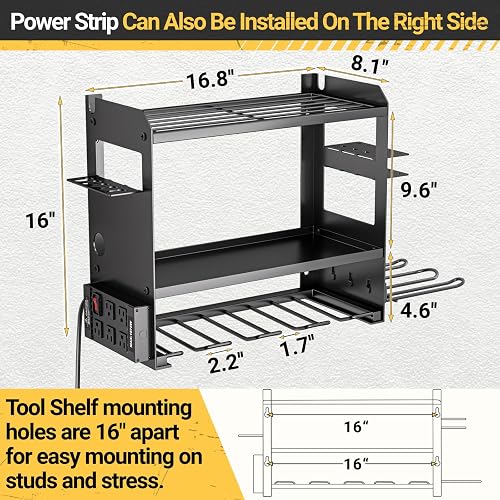
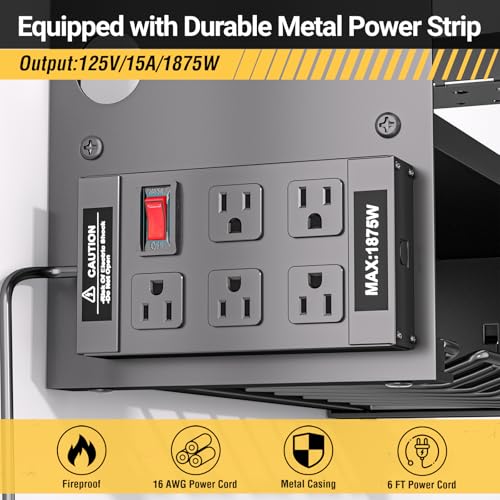
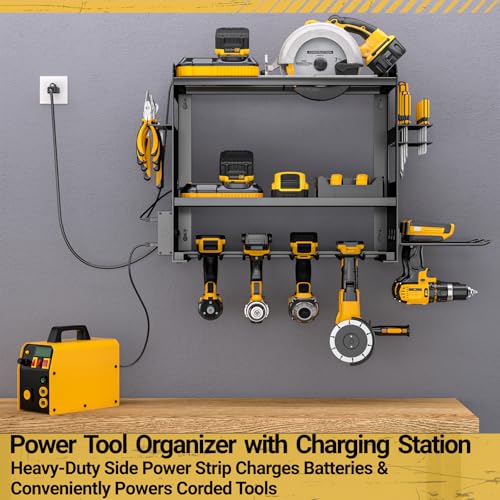
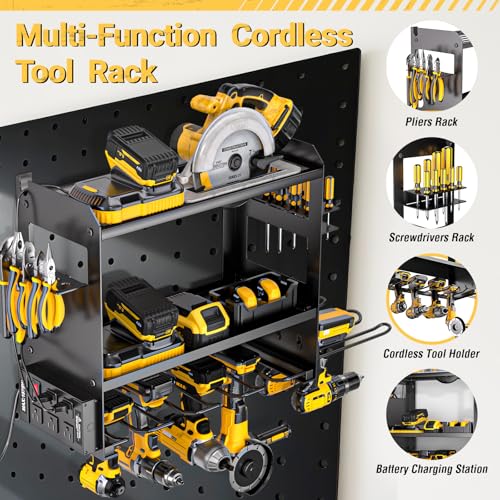
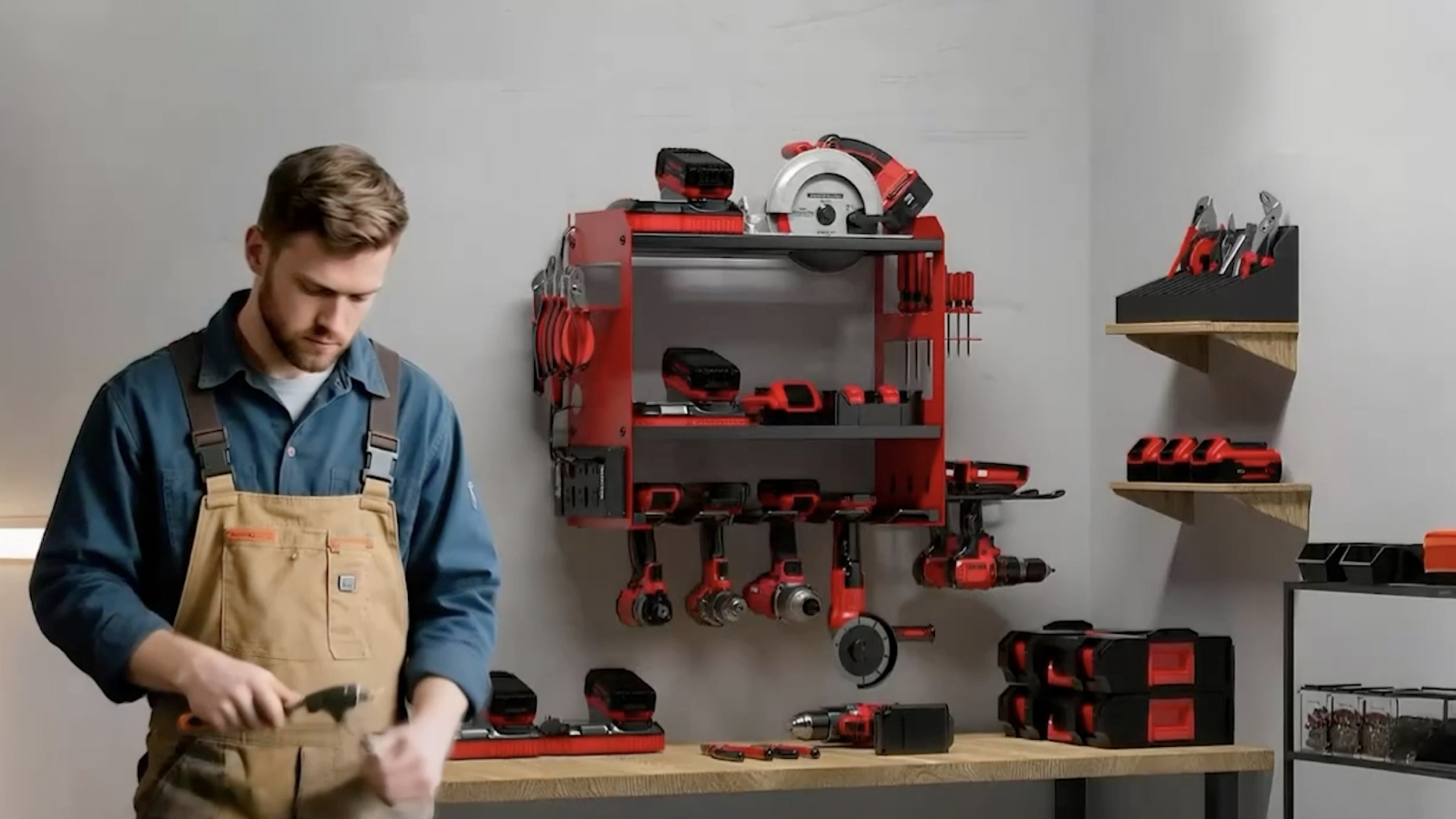
Repair makes sense for light surface rust, but replacement is more practical if you see deep pitting, holes, swelling at welds, shelves that flex, or rust that returns quickly after cleaning and sealing. If the integrated power strip shows corrosion, discoloration, or loose outlets, do not try to sand or paint it. If you would rather replace than keep troubleshooting, one option with a powder-coated steel frame and built-in metal power strip to help keep charging off damp surfaces is the wall control 30-WRK-400WB review style of organizer, such as this model:
This article contains affiliate links. If you buy through one of our links, TheGarageCrafted may earn a commission at no extra cost to you. Commissions never influence which products we recommend or how we rank them. Read our Affiliate Disclosure for details.

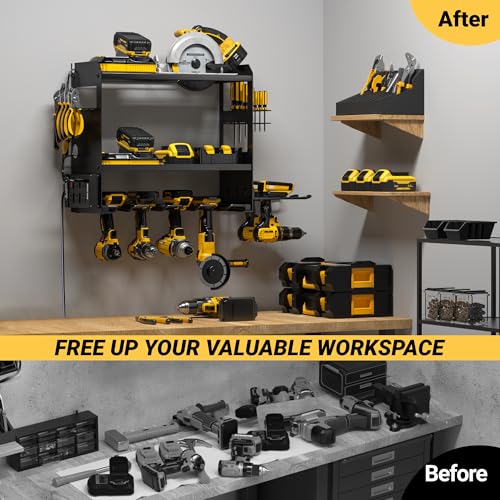
YYR Power Tool Organizer Wall Mount with Charging





As an Amazon Associate we earn from qualifying purchases. Product prices and availability are accurate as of the date/time indicated.
When you switch, focus on a durable powder coating, solid welds, and proper stud anchoring, and plan to keep the new rack dry from day one so the same humidity issue does not repeat.
When to Skip This and Call a Professional
This dry, sand, and seal approach is not ideal for racks with electrical damage, overhead or ceiling-mounted storage, or heavily loaded shelving that shows structural rust. If rust has reached wiring, the power strip, outlets, or any part that carries current, skip this DIY fix and have a licensed electrician evaluate it, and always follow the manufacturer’s weight capacity and wall-anchoring instructions rather than trying to reinforce a compromised rack yourself. For tall or heavily loaded units, anchoring to wall studs to prevent tip-over is critical and is not a good fit for makeshift brackets or extra stacking.
Frequently Asked Questions
Can I still use a power tool rack that has surface rust?
You can often continue using it if the rust is light, the metal feels solid, and there is no flaking near welds or mounting points. Try cleaning and sealing the spot and monitor it, but move tools off any area that feels thin, pitted, or unstable until you can repair or replace it.
How do I stop my power tool storage rack from rusting again?
Keep humidity down, store only dry tools, touch up coating chips quickly, and ensure good airflow behind the rack. A dehumidifier, better ventilation, and keeping the rack away from direct floor splash and salty air all help, along with a light wax or protectant on bare metal edges after they are properly primed and painted.
Should I just paint over rust without removing it?
Painting directly over loose or flaky rust is not recommended, as the new coating will not adhere and rust can continue underneath. Try removing loose rust, cleaning the area thoroughly, and using a rust-inhibiting primer before topcoating for a more durable result.
Browse more picks in our Power Tool Wall Mount Organizers category, or see our related guide on Best Drill Holder Wall Mounts for Heavy Totes: 10 Sturdy Picks 2026.




Write Your Review
No reviews yet. Be the first to share your experience!