

Quick Answer
If your power tool wall mount organizer won’t stay mounted, the most common cause is screws that missed the studs or anchors that are not rated for the weight. Check that at least two mounting points hit solid wood studs or use heavy-duty anchors rated for your wall type, then reload the organizer with heavier tools centered over the studs. This one change solves most sagging, tilting, and fall-offs without replacing the whole rack.
Why This Happens
The biggest culprit is drywall-only mounting. Standard plastic anchors can creep and widen their holes when you repeatedly lift heavy drills and batteries on and off. Over weeks, the holes oval out, the screws loosen, and the whole organizer starts to tilt forward or pull away at the top.
Weight distribution is the second common issue. Power tool organizers concentrate a lot of weight on a small rail or shelf. If all the heavy drills sit on one end or you add chargers, batteries, and bits without balancing the load, the leverage can pry the top anchors out even when the bottom feels tight.
Wall type matters more than people expect. Concrete, block, plaster, or old lath needs a different anchor than drywall. A wood-screw in concrete will never bite, and a concrete sleeve in drywall will just spin. If you used the hardware that came in the box on the wrong wall, it is likely the wrong fit. For concrete or masonry walls, see concrete wall tool storage for anchor options that match the surface.
Vibration and daily use also loosen mounts over time. Every time you snap a drill in or yank it out, you add a small rocking motion. Add humidity changes in a garage that expand and contract wood studs and drywall, and screws that felt tight on install day can back out a quarter turn and start to wobble.
Fixes to Try
Work in order from easiest to most involved. Empty the organizer completely before you start so you are not fighting the weight while you work, and keep a level and stud finder handy.
- Find the studs and mark your holes. Use a stud finder and confirm with a small finish nail. Plan to hit at least two studs with the main rail. If your organizer has 16-inch spaced holes, that spacing is meant to line up with standard studs.
- Remove the organizer and inspect the existing holes. If anchors spin, crumble, or the drywall is soft and enlarged, do not reuse them. Patch loose holes with drywall repair compound, let it cure fully, then drill new pilot holes in solid material or offset to the next stud.
- Swap in the right anchor for your wall. For drywall without a stud, use toggle bolts or heavy-duty metal anchors rated for shear load. For concrete or block, use concrete sleeve anchors or tapcon-style screws with a masonry bit. For plaster, go through to the stud or use a toggle that opens behind the lath.
- Remount level and tighten evenly. Set the organizer, start all screws by hand to avoid cross-threading, then snug them in a zig-zag pattern. Check with a level, and avoid overtightening which can strip wood or crush drywall. If your model has a charging station, keep the power strip cord clear of the mounting screws and do not pinch it behind the metal.
- Reload with balance in mind. Place the heaviest drills and batteries closest to the stud-anchored points and in the center of the rail, not all on one end. Keep the total load within the manufacturer’s guidance and leave a little space so tools do not bang into each other when you remove them. For damp basements or garages, you may also want ideas from best tool wall mount for basement.
After remounting, give the anchors time to fully set and check the mount after a day of use. If it still moves, note where it moves, top pulling out suggests upper anchors are not in structure, while sagging in the middle suggests the span is too wide without center support.
When to Consider Replacing It
If the holes are blown out, the metal is bent at the mounting slots, or the welds and screw tabs are cracked, repair stops making sense. A warped rail will never sit flat against the wall, and a stripped mounting hole will not hold torque even with a new anchor. In that case, replacing the organizer is faster than chasing loose hardware, especially if you want a simpler design with fewer failure points.
This article contains affiliate links. If you buy through one of our links, TheGarageCrafted may earn a commission at no extra cost to you. Commissions never influence which products we recommend or how we rank them. Read our Affiliate Disclosure for details.

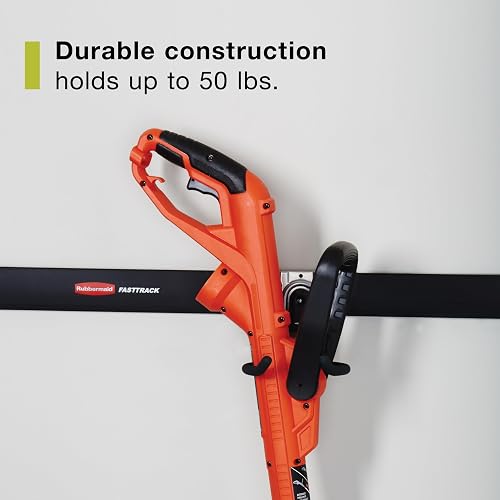
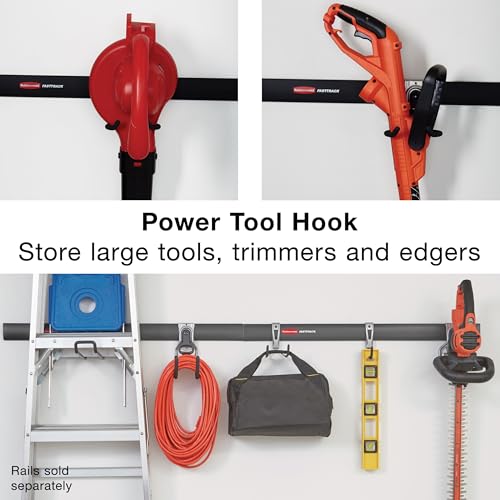
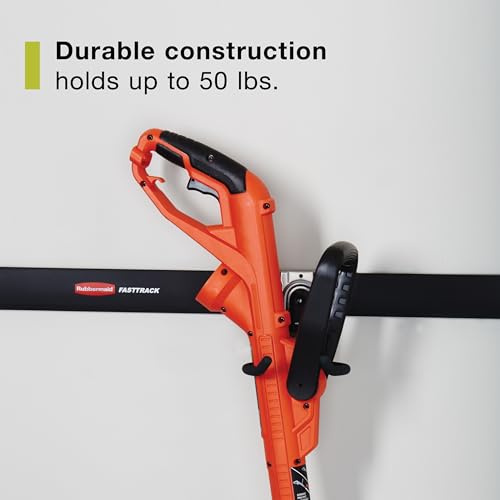
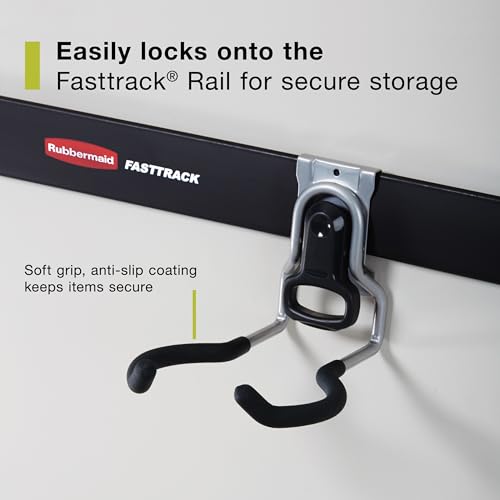
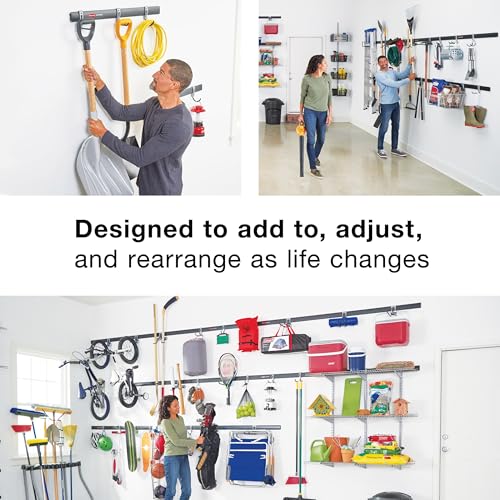
Prime Rubbermaid FastTrack Power Tool Holder Wall Mount





As an Amazon Associate we earn from qualifying purchases. Product prices and availability are accurate as of the date/time indicated.
If you would rather replace it than keep troubleshooting, a compact holder that mounts directly to studs or to a rail system can reduce leverage and make stud alignment easier. Look for a model with clear stud-spaced mounting points and hardware that matches your wall type, and confirm the rated load covers your drills plus batteries and chargers.
When to Skip This and Call a Professional
This DIY approach is not ideal for situations involving permanent electrical wiring, or where a heavily loaded organizer keeps pulling out of damaged or unknown wall structure. If your organizer includes an integrated power strip and you need a new outlet, have a licensed electrician handle the wiring, and always follow the manufacturer’s weight capacity and wall-anchoring instructions. Do not try to reinforce a failing overhead or ceiling mount with longer screws or adhesives, and if the wall itself is crumbling, get the structure assessed before adding more load.
Frequently Asked Questions
Why does my power tool wall mount keep falling off the wall even with anchors?
Most often the anchors are in drywall alone and are not rated for the leverage of heavy drills. Try moving at least two screws into studs or switching to toggle bolts for drywall and proper masonry anchors for concrete, then rebalance the load toward the center.
Can I mount a power tool organizer on drywall without hitting studs?
You can, but it is not a good fit for heavy cordless drills and batteries. If you must miss studs, use heavy-duty toggle bolts or metal drywall anchors with a proper shear rating, keep the total weight modest, and check the mount regularly. For the most secure hold, hitting studs is still the preferred method.
How do I keep a heavy drill organizer from pulling out of concrete or plaster?
Use anchors made for that material and drill with the correct bit size. For concrete, use sleeve anchors or masonry screws, and for plaster, anchor into studs or use toggles that open behind the lath. You can compare mounting approaches in wall control pegboard organizer 4 ft. metal review to see how different systems handle hard walls.
Browse more picks in our Power Tool Wall Mount Organizers category, or see our related guide on Wall Control 4 ft. Metal Pegboard Review.





Write Your Review
No reviews yet. Be the first to share your experience!