

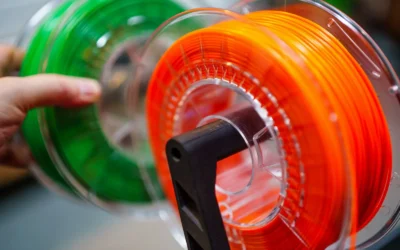
You pull a cardboard spool off the shelf and notice soft edges, light dust and rough first layers on your PLA print. Right beside it, a plastic spool looks solid and clean, yet your PETG still strings, oozes and pops because the filament itself soaked up overnight humidity. That mismatch confuses many makers who assume spool material alone determines storage needs.
This guide to best cardboard vs plastic spool filament for storage is for home makers and busy workshops juggling PLA, PETG, ABS and TPU. We assessed sealing strength, visibility and footprint across current options to help you prevent waste and failed prints. You will also find practical context from cracking in a cold garage so your collection stays stable between sessions.
This article contains affiliate links. If you buy through one of our links, TheGarageCrafted may earn a commission at no extra cost to you. Commissions never influence which products we recommend or how we rank them. Read our Affiliate Disclosure for details.
Quick Picks at a Glance

Prime YOOPAI Filament Storage Box 6 Pack

Prime Qozary Filament Storage Box 4 Pack
As an Amazon Associate we earn from qualifying purchases. Product prices and availability are accurate as of the date/time indicated.
Pros
- Complete 6 pack kit includes desiccant boxes, labels and bags with no extra purchases needed
- Clear transparent body makes it easy to find the right color and material quickly
- Silicone sealed lids plus desiccant help keep filament dry and dust free
- Fits most standard 1KG spools of PLA, PETG, ABS and TPU
- Sturdy reusable construction with potential for DIY feed modifications
Cons
- Larger than a tight fitting spool vault, so it takes more shelf space and holds more air
- Flip latch and pour spout add bulk and need proper closing for best seal
- No built-in hygrometer or feed port, DIY work required for live dry box printing
The YOOPAI Filament Storage Box 6 Pack is a dedicated storage kit for makers who juggle multiple 1KG spools of PLA, ABS, PETG and TPU. It is ideal for home and office users who want each spool separated, labeled and protected between print sessions.
Each 4L container uses a silicone sealed flip lid plus reusable desiccant boxes to help absorb excess moisture and reduce dust buildup. In real world use, reviewers note stable storage, good sealing and filament that stays ready to print longer.
The clear body lets you check color and material without opening every box, which speeds up workflow. The plastic feels thick and impact resistant for daily handling, and the included labels and bags help keep everything sorted.
Drawbacks include a bulkier footprint than close fitting dry pods, plus a latch and pour hole design that feels repurposed from food storage. You will also need DIY mods if you want a humidity meter or direct feed port for printing while stored.
Overall, this is a practical, high value organization system for anyone with a growing filament collection. If you want simple, visible and reusable protection for standard spools, this 6 pack is an easy recommendation.
Set Includes: 6 filament storage containers, 2 x 500g desiccant boxes, 18 identification labels, 6 bags.
Capacity and Fit: 4.0L per box, designed for most standard 1KG spools of 1.75mm PLA, ABS, PETG and TPU.
Design: Clear transparent body with silicone sealed flip lid for moisture and dust resistance.
Dimensions: Approx. 9.03 x 8 x 3 inches with portable, stackable form for home and office use.
Pros
- Large 24-spool capacity across four sortable boxes
- Effective moisture and dust protection with zippers and desiccants
- Quick tool-free assembly with space-saving foldable design
- Compact footprint that fits most desks and shelves
- Versatile for both 3D filament and general home storage
Cons
- Fabric construction offers less impact protection than hard plastic bins or dry boxes
- No airtight seal or humidity meter, so active moisture monitoring requires extra accessories
- Black fabric exterior may show lint and dust over time
The Qozary Filament Storage Box set includes four fabric containers designed to hold up to 24 standard 1kg spools in total. It is ideal for hobbyists and home studios juggling multiple materials like PLA, ABS, PETG and TPU.
Each box helps you sort by color or material for a faster workflow and cleaner workspace. The included desiccant packs and zippered lids create a drier, dust-free environment that helps prevent stringing and brittleness.
Built from 600D Oxford fabric with a water-repellent finish, the boxes feel sturdy yet lightweight. The 16.5 x 8.3 x 8 inch size fits neatly on desks, shelves or under tables without wasting space.
Assembly takes about a minute with no tools, and each box folds flat for compact storage when empty. Keep in mind this is passive storage, not an airtight dry box, so very humid climates may need extra desiccants.
For makers who want affordable, organized and versatile filament storage, this 4-pack is a smart pick. It also doubles nicely for yarn, toys and craft supplies when your collection changes.
Brand: Qozary, Model: FSB01BK, Color: Black, Pack Size: 4 boxes
Total Capacity: Up to 24 standard 1kg spools, Each Box Size: 16.5 x 8.3 x 8 inches
Material: 600D Oxford Fabric with water-repellent finish, Closure: Full zippered lid
Special Features: Includes desiccant packs, dedicated interior space for humidity control, foldable design
Compatibility: PLA, ABS, PETG, TPU and other standard filaments, plus multi-use home storage
Buying Guide for Cardboard vs Plastic Spool Storage
Sealing and Moisture Control for Both Spool Types
Cardboard spools wick moisture from the air, soften around the flanges and can shed fine fibers that migrate toward your hotend and cause clogs. That makes airtight sealing non negotiable if you buy cardboard wound filament in bulk. The YOOPAI Filament Storage Box uses a silicone sealed flip lid plus two 500g desiccant boxes to buffer humidity and shield PLA, ABS, PETG and TPU between prints, even in damp rooms. Snow veil bags add another barrier against dust while labels help you track material type without breaking the seal.
Plastic spools resist warping and do not absorb water themselves, but the polymer wound on them still absorbs moisture and degrades just as quickly. You still benefit from enclosed storage with desiccant control rather than open racks. The Qozary Filament Storage Box pairs water repellent outer fabric with a fully zippered lid and dedicated desiccant space, which helps guard against dust, splashes and damp air, especially if you have dealt with a lid that will not snap shut on basic totes. Regular desiccant checks keep relative humidity low without constant attention.
Visibility, Labeling and Fast Identification
When you own six colors of PLA, you do not want to open every container to find matte black and expose dry filament to humid air. Clear walls and smart labeling save time and preserve dryness. The YOOPAI Filament Storage Box offers a clear body for at a glance checks, plus 18 identification labels and six snow veil bags to keep each spool clean, sorted and ready to load for your next project without guesswork. You spend less time hunting and more time printing when every roll has a visible home.
If you store in bulk, grouping by material matters more than seeing one spool at a time. The Qozary Filament Storage Box holds around 24 standard 1kg spools across its four compartments, so you can separate PLA from PETG or brights from neutrals with ease. That zoned system feels similar to learning how to organize clear storage bins on high shelves, where defined zones prevent mix ups and wasted warm up time. Your workflow stays calm even when deadlines stack up and colors multiply.
Size Compatibility and Workspace Footprint
Most makers run standard 1kg spools of 1.75mm filament, so compatibility is critical for any storage investment. The YOOPAI Filament Storage Box is sized at 4.0L to fit most standard 1KG spools without forcing the flanges or crushing cardboard edges during insertion. You can stack six individual containers neatly on a shelf, pull one color for a weekend build and return it sealed without reorganizing your entire desk or workbench. Dedicated boxes also protect cardboard flanges during moves between rooms or offices.
For larger collections, footprint and collapsibility matter as much as capacity. Each Qozary Filament Storage Box measures 16.5 inches by 8.3 inches by 8 inches, compact enough for desks, shelves and under table storage while still swallowing multiple spools per section. It unfolds in about a minute with no tools and folds flat when empty, which is ideal if you already explore compact alternatives for small spaces in your workshop or craft room. Fold flat storage is a lifesaver when seasonal projects change your inventory.
Durability, Reuse and Everyday Handling
Storage should survive daily handling, stacking and transport, not crack or sag after a few months in a busy shop. The YOOPAI Filament Storage Box uses sturdy impact resistant materials built for repeated opening and long term reuse at home or in the office. Makers who enjoy custom workflows can even modify the lid and box to create a feed through setup, turning simple protection into a more integrated and efficient printing station. Reusable construction reduces waste compared with single use bags and thin wraps.
The Qozary Filament Storage Box uses a structured fabric design that assembles quickly and holds its shape on shelves, workbenches and craft tables without tools. Beyond filament, you can reuse the compartments for yarn, toys, books or craft supplies, much like versatile clear bins, totes and small parts organizers. For a full view of transparent options, compare clear storage tote specs before you commit to fabric versus hard wall storage. Patent pending structure balances rigidity for stacking with soft handling for delicate spools.
Final Thoughts
If you want individual sealed protection with clear visibility for daily printing, choose YOOPAI Filament Storage Box, while bulk collectors who sort by color and material will appreciate Qozary Filament Storage Box for flexible high capacity organization in 2026.
Frequently Asked Questions
Do cardboard spools need different storage than plastic spools?
Yes, cardboard benefits from extra dryness because the flanges themselves absorb moisture, soften and can transfer fibers to your printer. Plastic flanges stay rigid and resist humidity, but PLA, PETG and ABS wound on them still absorb water and need sealed storage. In 2026, the safest approach for both types is an airtight container with desiccant and minimal opening. You should also keep cardboard away from concrete floors and exterior walls where dampness lingers.
Can a storage box replace a filament dryer for PLA and PETG?
A good box maintains dryness but does not actively dry already wet filament as quickly as a heated dryer. If your spool already pops, strings or looks dull, dry it first, then move it to sealed storage with fresh desiccant for stability. That two step routine keeps cardboard from staying soggy and prevents plastic wound rolls from reabsorbing humidity overnight. You will notice smoother walls, stronger layer adhesion and fewer failed starts when you maintain that habit.
How many 1kg spools fit in these storage systems?
The YOOPAI system gives each spool its own 4.0L container, so a six pack protects six standard 1kg spools individually with room for desiccant and labels. The Qozary system uses four larger compartments designed to hold around 24 standard 1kg spools in total when grouped by color or material. Choose individual boxes for frequent color swaps and bulk compartments for long term archiving. Always measure oversized or wide spools before stacking to avoid crushing cardboard flanges.
What is the easiest way to organize multiple colors and materials?
Assign one container or zone per material, then label color, type and date opened so you rotate older rolls first and avoid mystery spools. Clear walls, identification labels and grouped compartments reduce guesswork and limit air exposure during swaps. If you also manage tools and parts nearby, these ideas for keeping fasteners sorted translate well to filament organization in 2026. Consistent labeling also helps you track which brands use cardboard versus plastic cores.
Browse more picks in our 3D Printer Filament (PLA/PETG/ABS) category.
This roundup is not a good fit for every household; consider your specific needs and budget before buying.




Write Your Review
No reviews yet. Be the first to share your experience!