

Quick Answer
When tool wall organizer hooks keep falling out, the most common cause is that the hooks are not fully seated and locked into the rail or panel. Remove the tools, push each hook straight in until you feel or hear it click, then tug it forward to confirm it is locked before reloading. If hooks still drop with light loads, they are likely the wrong style for your rail system or the rail itself is loose.
Why This Happens
Most systems use a specific hook shape for a specific rail. A pegboard hook will not stay in a slatwall groove, and a slatwall hook will wobble out of a metal rail with square cutouts. If you mixed brands or bought universal hooks, the tab that should lock behind the rail may be too short or too thin to hold.
Even the right hook will fall if it is not installed correctly. Many rail hooks need to be tipped in at an angle, then rotated down and pressed until the lower tab snaps behind the rail. If you slide them in from the end without locking, vibration from opening and closing doors or pulling tools off can walk them right out.
Weight and leverage matter more than you think. A heavy drill hung far from the wall creates leverage that pries the top tab outward, especially if several heavy tools share one short rail section. Bumping one tool while grabbing another can also lift a neighboring hook just enough to unseat it. You can find more ideas for stable setups in this guide to the best tool wall mount for basement.
Worn or loose hardware makes the problem worse. Plastic locking tabs can crack or stretch after repeated removal, and metal hooks can bend slightly if overloaded. If the rail itself is mounted only to drywall without hitting studs or using proper anchors, the whole rail flexes when you load it, which lets hooks tilt and drop. Concrete and block walls have similar issues when anchors are undersized, as covered in best power tool organizer for concrete wall.
Fixes to Try
- Remove all tools and reseat each hook correctly. Follow the manufacturer’s angle and click method for your rail, then pull forward and side to side to confirm each hook is locked before you hang anything.
- Confirm hook and rail compatibility. Check that the hook’s top and bottom tabs match the rail profile exactly and that the hook is rated for the tool you plan to hang. Replace any hook that rocks or slides freely without resistance.
- Redistribute weight and add space between tools. Put heavier items closest to the wall and over studs, leave one empty slot between bulky tools, and avoid hanging long handled tools horizontally where they can lever hooks out.
- Tighten the rail mounting. Check every screw and anchor, snug any loose fasteners, and make sure the rail is level and flat against the wall. If you see the rail bow when loaded, add a center screw into a stud or use anchors rated for your wall type.
- Use retainers made for your system. Many rails offer rubber stops, end caps, or locking clips that prevent hooks from lifting out when you remove a tool. A small zip tie or O-ring around the rail behind the hook can also act as a temporary stop, but do not drill or modify the rail in a way the manufacturer does not recommend.
When to Consider Replacing It
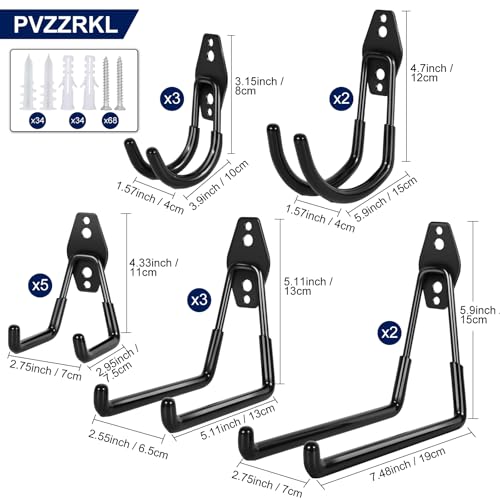
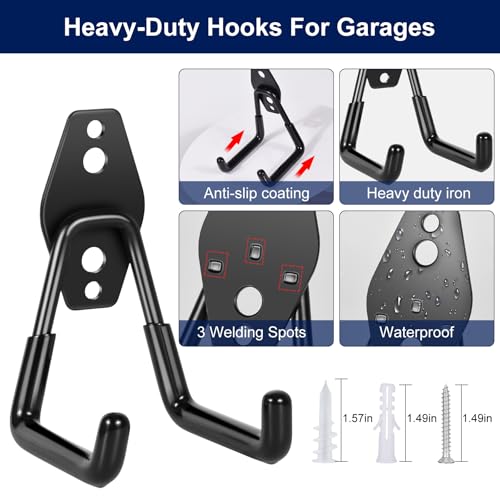
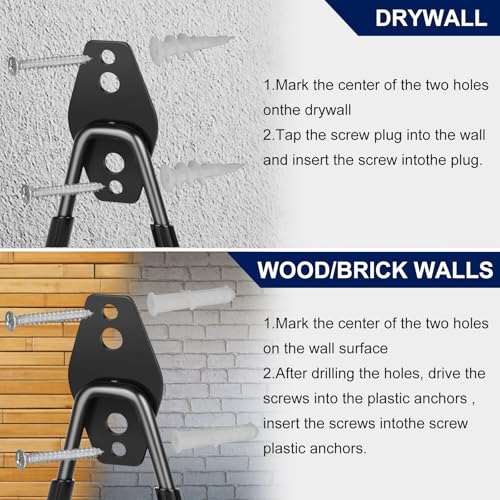
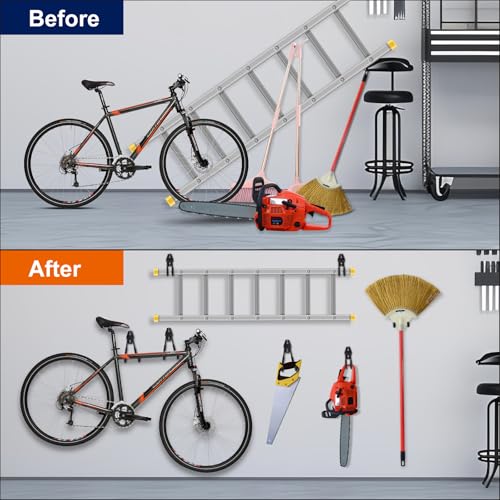
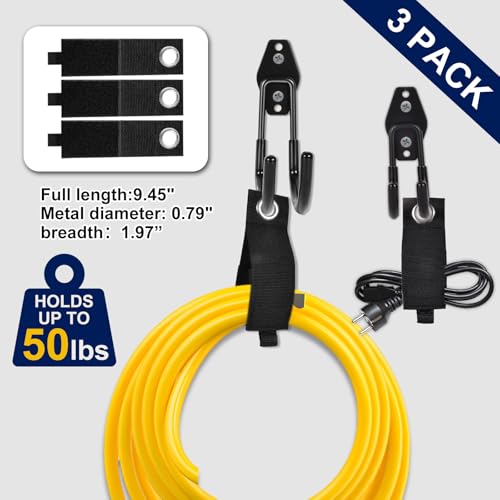
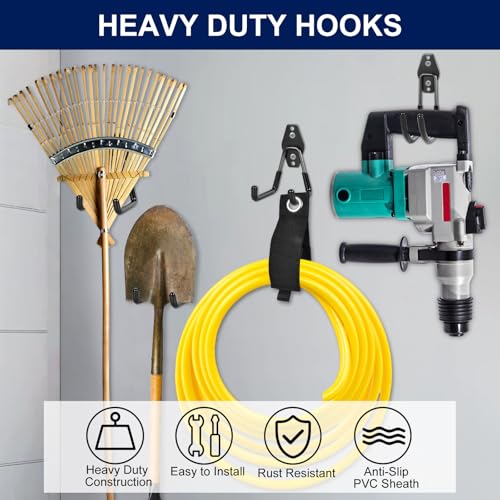
If tabs are cracked, hooks are bent, or the rail holes are stretched and hooks no longer lock even after reseating, repair stops being reliable. The same is true if you have a mismatched set where you are constantly adapting hooks that were never made for that rail. In that case, switching to a cohesive set with solid steel hooks, non slip coating, and hardware for different wall types can save time compared to ongoing adjustments. If you would rather replace it than keep troubleshooting, one practical option is the 18 Pack Garage Hooks, Anti-Slip Coating.
This article contains affiliate links. If you buy through one of our links, TheGarageCrafted may earn a commission at no extra cost to you. Commissions never influence which products we recommend or how we rank them. Read our Affiliate Disclosure for details.

Prime PVZZRKL 18 Pack Heavy Duty Garage Hooks Wall Mount


As an Amazon Associate we earn from qualifying purchases. Product prices and availability are accurate as of the date/time indicated.
For low clearance areas, also consider whether hook height is part of the issue. A compact layout like those in low ceiling drill holder wall mounts can reduce bumping and leverage that knocks hooks loose.
When to Skip This and Call a Professional
This type of adjustment is not ideal for situations where the rail is pulling out of the wall, the drywall is crumbling, or you need to drill into concrete, block, or near electrical lines and you are not sure what is behind the wall. It is also not a good fit to keep adding heavier tools to a rail that is already flexing or to exceed the manufacturer’s listed load guidance. If the wall is damaged, the anchors spin, or you are unsure about stud locations or wiring, skip this and have a qualified handyman or contractor secure the rail properly and verify the wall can support the load.
Frequently Asked Questions
Why do my tool wall hooks fall out when I remove a tool?
This usually happens because the hook lifts with the tool instead of staying locked. Try lifting tools straight up and off rather than pulling outward, and make sure each hook has its locking tab fully engaged or an end stop installed so upward motion does not unseat it.
Can I use any universal hooks on my tool rail?
Not always. Even hooks that look similar can have different tab thickness or spacing that prevents a secure lock. For best results, use hooks made for your exact rail system and check that each hook sits flush and resists a gentle tug before loading it.
How do I keep hooks from sliding side to side?
First confirm the rail is tight to the wall and level, as flex lets hooks wander. Then space hooks so tools do not bump each other, and use the system’s end caps or rubber spacers to create friction. If your rail allows it, place heavier tools near the center mounting points where the rail is most stable.
Browse more picks in our Power Tool Wall Mount Organizers category, or see our related guide on Best Tool Wall Mount for Basement: 10 Organizers to Reclaim Space 2026.




Write Your Review
No reviews yet. Be the first to share your experience!