

Quick Answer
If your garage power tool cabinet keeps falling, it is almost always because the cabinet is anchored into drywall alone instead of solid wood studs or masonry, or the fasteners are too small for the weight. Power tool cabinets hold dense, heavy items that create strong leverage on the top screws, so even slight looseness gets worse quickly. Check the anchor points, reduce the load, and remount into solid structure before you consider a new cabinet.
Why This Happens
The most common reason is the cabinet was mounted with plastic drywall anchors or short screws that cannot support a loaded cabinet. Drywall alone crumbles under vibration and leverage, so the top fasteners slowly pull out and the cabinet tilts forward. You will often see enlarged holes, dust around the screws, or a slight gap at the top of the cabinet before it falls.
Overloading and uneven weight make the problem worse. Many garage cabinets are rated for a modest total load, and power tools, batteries, and chargers add up fast. When heavy items sit on the top shelf or far from the wall, they create extra pull on the upper mounts. A cabinet that feels solid when empty can fail quickly once fully loaded, especially if you open and close the door frequently.
Wall type and stud alignment also matter. Most garage walls have studs spaced at regular intervals, and if the cabinet’s pre-drilled holes do not line up with studs, installers sometimes rely on wall anchors instead. Concrete, block, and brick need the right masonry anchors and a proper pilot hole, while wood walls need lag screws into the center of the stud. A mismatch here is a frequent cause of repeated falls, as noted in guides like Concrete Wall Tool Storage: 10 Wall Mounts That Hold in 2026.
Vibration, humidity, and daily use loosen hardware over time. Opening a flip-up or swing door, sliding heavy drills in and out, and bumping the cabinet can work screws loose. In garages with temperature swings, wood studs expand and contract and metal fasteners can back out slightly. If the cabinet has no anti-fall rail or the door latch is weak, items shift inside and add sudden shock loads when you open it.
Fixes to Try
Try these steps in order, starting with the easiest checks. Stop and reassess if the wall is damaged or the cabinet frame is bent, and always follow the manufacturer’s weight and mounting instructions for your specific model.
- Empty the cabinet and inspect the mounts. Remove all tools, then check each screw and anchor for movement. If you see wall damage, stripped holes, or a bent back panel, do not reload the cabinet until you repair the mounting points. This also lets you confirm what is behind the wall.
- Locate solid structure and mark new points. Use a stud finder to find the center of wood studs or confirm masonry. For wood walls, plan to drive at least two upper fasteners into studs. For concrete or block, use anchors rated for masonry and drill pilot holes with a masonry bit as directed by the anchor maker.
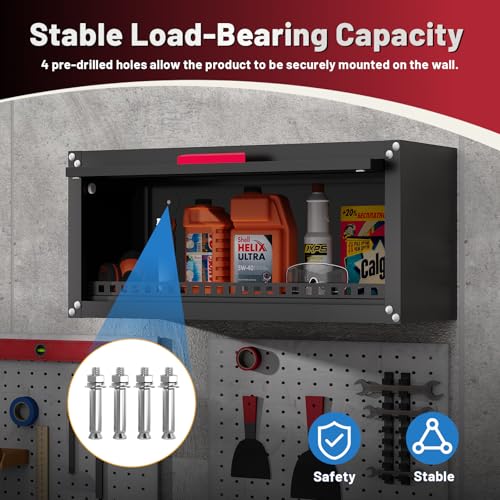
- Repair the wall and upgrade the hardware. Patch enlarged drywall holes, let compound cure, then re-drill into solid wood or use proper masonry anchors. Replace small screws with larger diameter lag screws and washers that fit the cabinet’s keyholes, and tighten firmly without overdriving. If your cabinet has four pre-drilled holes, use all of them.
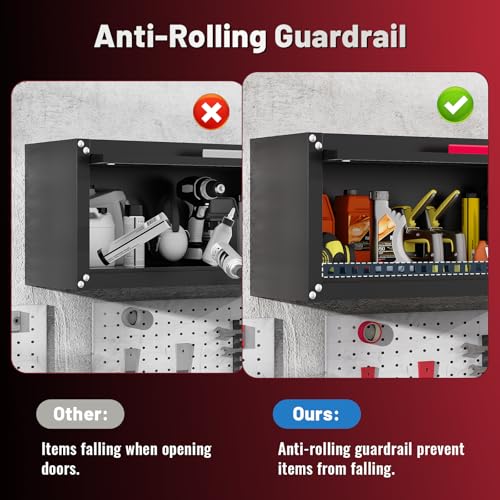
- Rebalance the load and use rails correctly. Put the heaviest tools low and close to the wall, lighter items up high, and keep the total weight within the manufacturer’s rated limit. Use any built-in anti-fall rails or lips to keep items from sliding forward when the door opens. Avoid hanging heavy items from the door itself.
- Secure the cabinet and verify stability. After remounting, gently pull on the top edge and check for flex or movement before reloading. Reload gradually, then open and close the door to see if anything shifts. If you need more ideas for wall organization that stays put, see Best Tool Wall Mount for Basement: 10 Organizers to Reclaim Space 2026 for layout tips that apply to garage walls as well.
When to Consider Replacing It
If the back panel is cracked, the mounting holes are torn out, the frame is twisted, or the wall is too damaged to hold new anchors in the same spot, repair may not be worth the effort. A cabinet that has fallen more than once often has bent metal that will never sit flush again. If you would rather replace it than keep troubleshooting, look for a steel wall cabinet with ventilation, a magnetic latch, and anti-fall rails that help keep contents in place.
This article contains affiliate links. If you buy through one of our links, TheGarageCrafted may earn a commission at no extra cost to you. Commissions never influence which products we recommend or how we rank them. Read our Affiliate Disclosure for details.

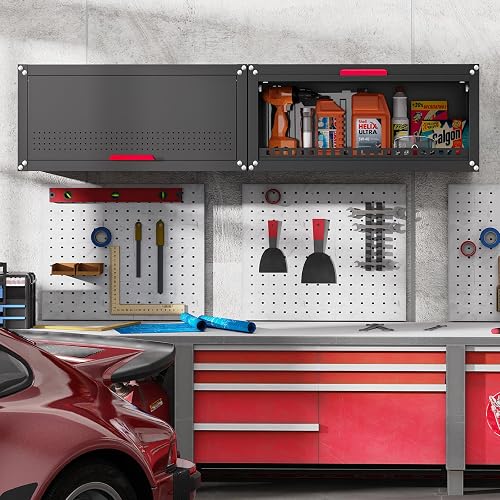
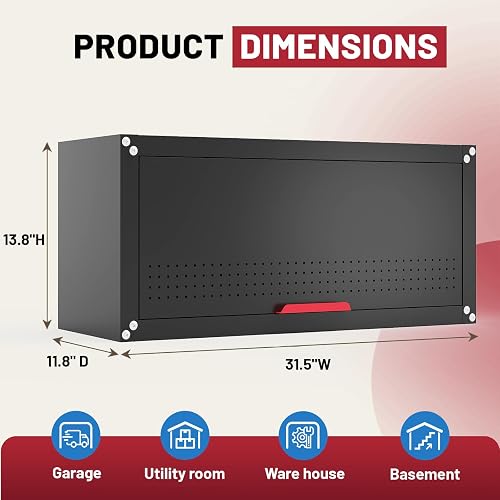
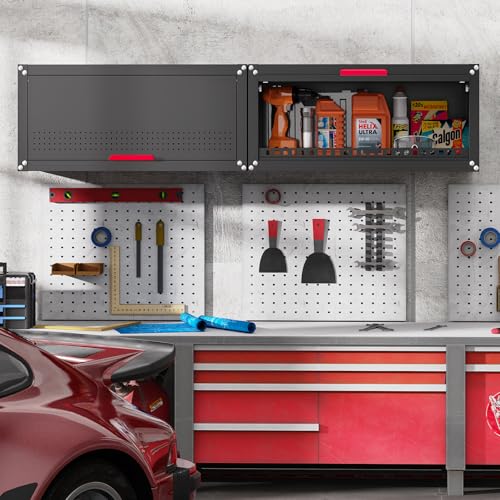
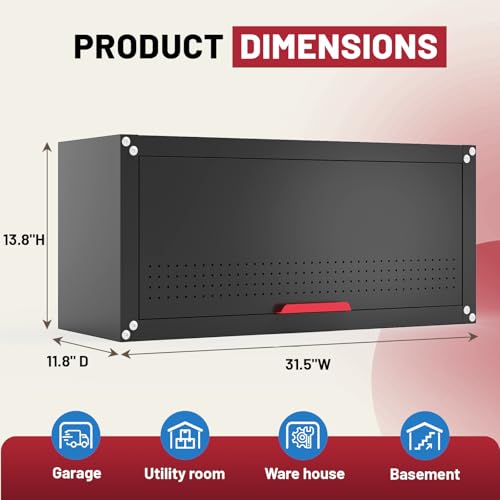
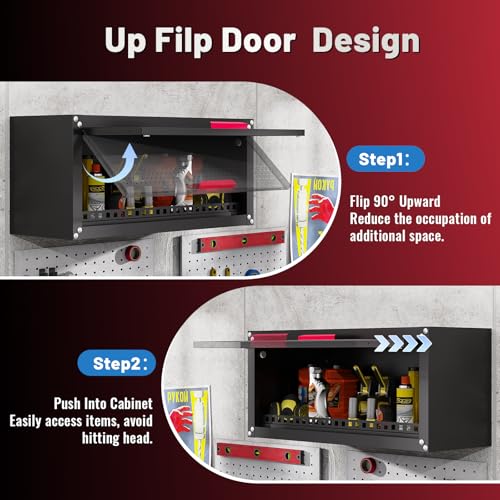
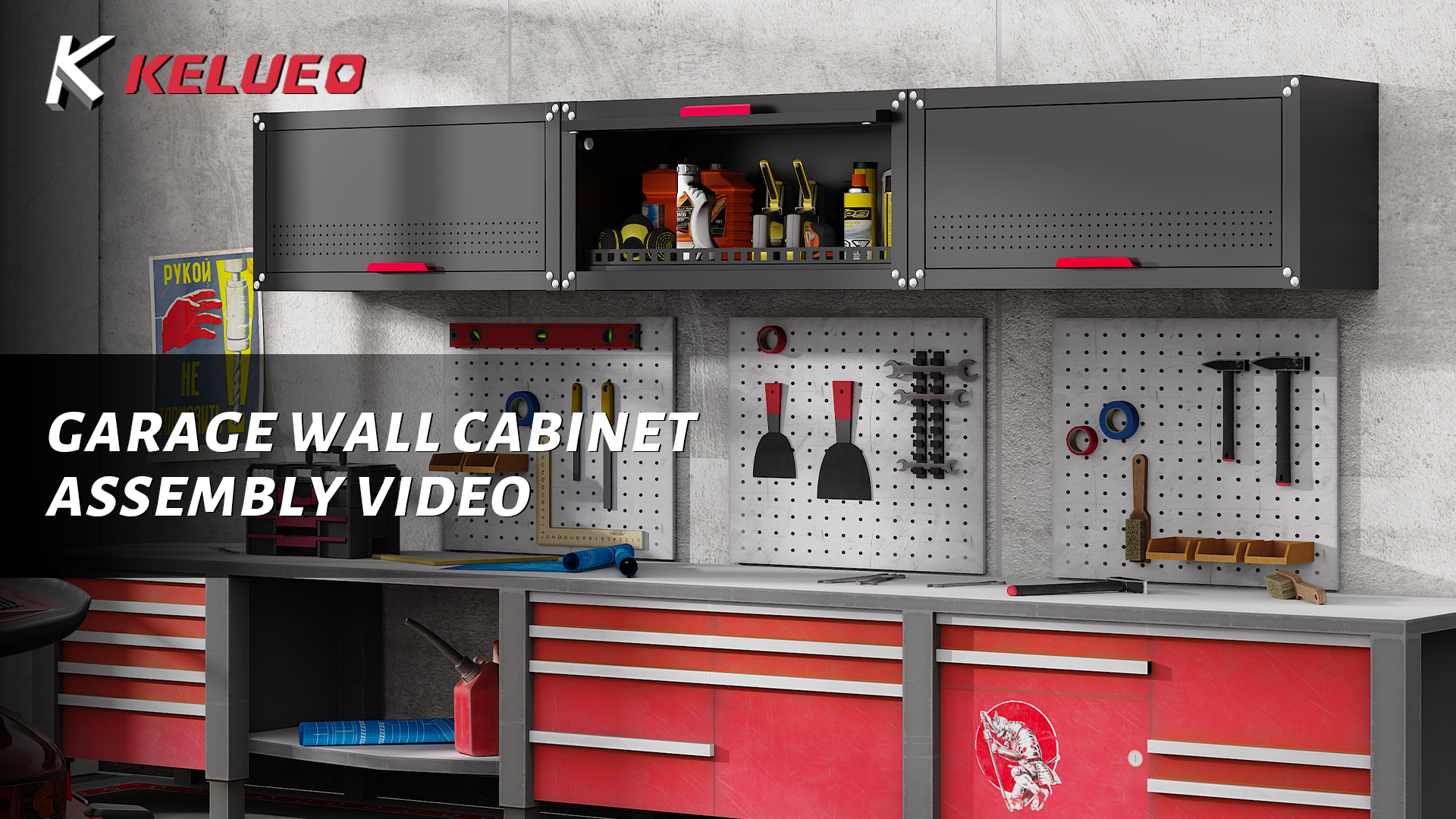
Prime Kelueo 31.5" Metal Garage Wall Cabinet


As an Amazon Associate we earn from qualifying purchases. Product prices and availability are accurate as of the date/time indicated.
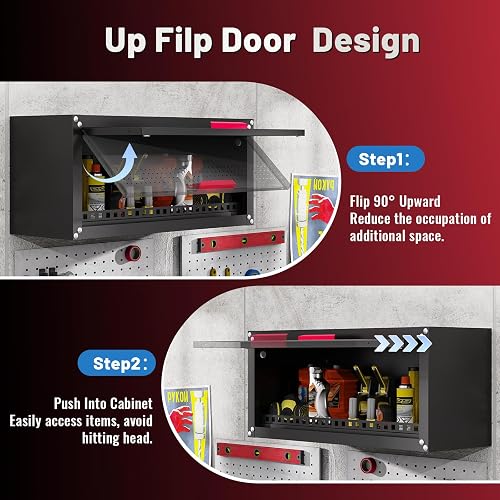
When you choose a replacement, confirm the dimensions, door style, and rated load fit your tools and your wall type. A model with an up-flip door that tucks inside can save swing space in a tight garage, and adjustable shelves let you keep heavy items low. Always mount according to the included instructions and use fasteners appropriate for your wall material.
When to Skip This and Call a Professional
This type of wall-mount fix is not ideal for cabinets that hold very heavy loads, are mounted high overhead, or show signs of structural wall damage, mold, or electrical wiring behind the mounting area. If the cabinet is large, heavily loaded, or you are unsure about stud location, masonry anchoring, or weight limits, skip this and follow the manufacturer’s weight capacity and wall-anchoring instructions or consult a qualified contractor or handyman. Never add extra shelves or exceed the rated load to make a damaged cabinet work, and do not attempt a workaround for electrical or overhead storage issues on your own.
Frequently Asked Questions
Why does my garage power tool cabinet keep falling even after I tightened the screws?
Tightening alone rarely helps if the screws are not in solid wood studs or proper masonry anchors. Once drywall holes are enlarged, the same screws will loosen again under load. Try patching the wall, relocating fasteners into solid structure, and upgrading to larger diameter screws with washers.
Can I use drywall anchors for a power tool wall cabinet?
Drywall anchors are generally not recommended for heavy power tool cabinets. They can support light items, but dense tools create too much leverage for drywall to hold long term. For a lasting hold, anchor the top rail directly into studs or use masonry anchors rated for concrete or block, as shown in reviews like Wall Control Pegboard Organizer 4 ft. Metal Review: What Specs and Owner Reports Show.
How should I load a wall cabinet so it does not pull away from the wall?
Keep the heaviest tools on the lowest shelf and close to the back wall to reduce leverage on the upper screws. Distribute weight evenly side to side, avoid overfilling one shelf, and use anti-fall rails so items do not slam forward when you open the door. Check the load against the manufacturer’s guidance and remove anything you do not use weekly.
Browse more picks in our Power Tool Wall Mount Organizers category, or see our related guide on Wall Control 4 ft. Metal Pegboard Review.






Write Your Review
No reviews yet. Be the first to share your experience!