

Quick Answer
If your adjustable shelving rack won’t stay mounted, the most common cause is that the vertical rails are fastened only into drywall without hitting studs, or the shelf brackets are not fully locked into the track slots. Try unloading the shelves completely, reseating each bracket until you feel it drop and lock, and confirming that every rail screw is driven into a stud or a wall anchor rated for shelving loads. When the rails are plumb, level, and anchored into solid backing, most systems stop pulling away and stay stable.
Why This Happens
The double track or twin rail system relies on the wall to carry the load, not just the screws. Drywall alone cannot hold the leverage of a loaded shelf, so rails mounted with small screws or plastic anchors often work loose, tilt forward, and then pull out under weight. This is especially common when the original installation missed studs or used anchors not intended for heavy duty shelving and racking.
Alignment also matters more than it looks. If the two upright rails are not plumb and evenly spaced, brackets sit at a slight angle and never fully engage the slots. Over time, vibration from opening and closing doors or loading and unloading items lets brackets creep, which makes the whole rack feel wobbly and prone to dropping. A related issue is uneven wall surfaces or bowed rails that leave gaps behind the track, as covered in shelving unit Won’t stay Level? 5 fixes before you give up.
Compatibility and wear are another frequent culprit. Adjustable brackets are sized for a specific slot pattern, and a mismatch of even a fraction of an inch can prevent a secure lock. Bent tabs, chipped powder coating, or slots that have been enlarged from repeated adjustments can also keep brackets from seating. When brackets are overloaded or weight is concentrated on the front edge, the leverage increases and accelerates loosening at the wall.
Wall material changes the approach you need. Concrete, block, plaster over lath, and metal studs each require a different anchor type than standard wood studs. If you are working with masonry, the steps in how to organize boltless shelving on concrete walls can help you understand why standard screws fail and what general anchor categories are more appropriate. Humidity and temperature swings in garages can also loosen fasteners gradually if they were not snug to begin with.
Fixes to Try
- Unload everything and reseat the brackets. Lift each shelf off, check that the bracket tabs are straight and not bent, then reinsert each bracket fully into the rail slots and press down until it locks. Listen and feel for a positive engagement rather than resting it in the slot.
- Check that the rails are plumb and level. Place a level along each upright and across the tops of the brackets, loosen the rail screws slightly, adjust the position, and retighten evenly. Shimming behind a rail with thin, stable shims can close gaps on uneven walls.
- Confirm solid anchoring for every rail. Use a stud finder to locate studs and try to get at least two screws per rail into solid wood. Where a stud is not available, replace light duty anchors with heavy duty wall anchors rated for shelving, following the anchor manufacturer’s instructions for hole size and installation.
- Redistribute weight and reduce leverage. Put heavier items closer to the wall and over the brackets, avoid concentrating load on the front edge, and keep the heaviest shelves lower. If a single shelf is consistently overloaded, split the load across two shelves.
- Tighten and verify all hardware without overtightening. Snug each screw so the rail is firm against the wall but not crushing drywall, and check that bracket retaining clips or locking levers, if present, are engaged. Recheck after a day of normal use to see if anything has shifted.
When to Consider Replacing It
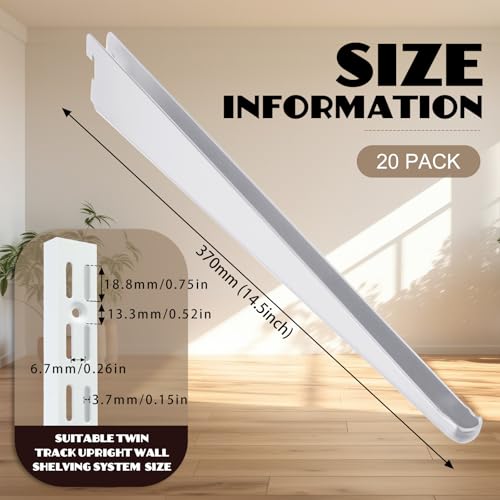
If the rail slots are visibly enlarged, the uprights are bent, or screw holes in the wall are stripped and will no longer hold an anchor, repairs tend to be temporary. Repeated failures in the same location often mean the system is mismatched to the wall or the load. If you would rather replace components than keep patching anchors, a compatible bracket set that matches your rail slot size can be a practical option. For ideas on simpler wall storage layouts, you can also compare options in 3 alternatives to gladiator GearRack for small garages and simple wall storage.
This article contains affiliate links. If you buy through one of our links, TheGarageCrafted may earn a commission at no extra cost to you. Commissions never influence which products we recommend or how we rank them. Read our Affiliate Disclosure for details.

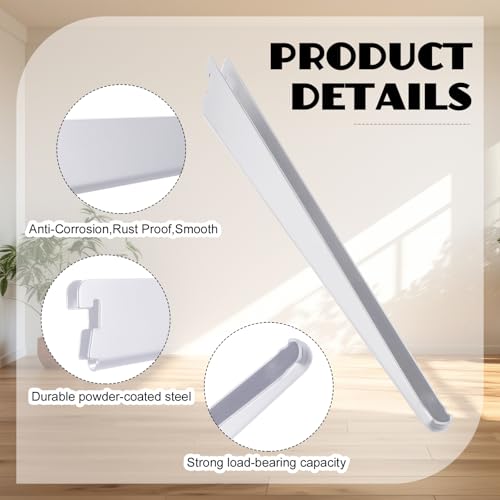
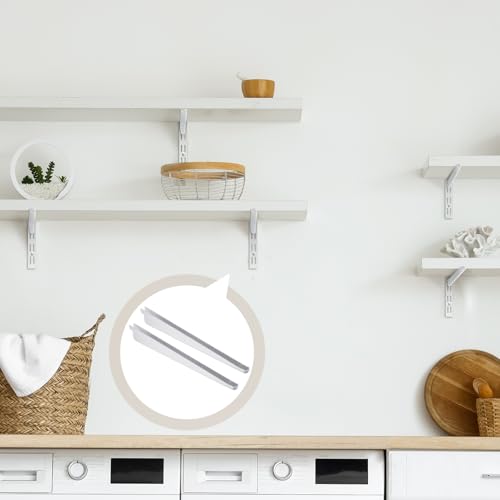
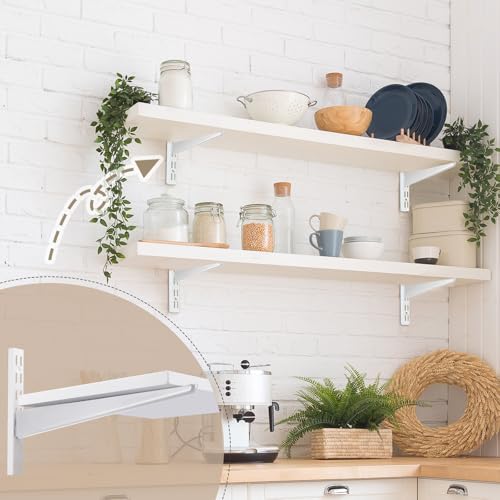
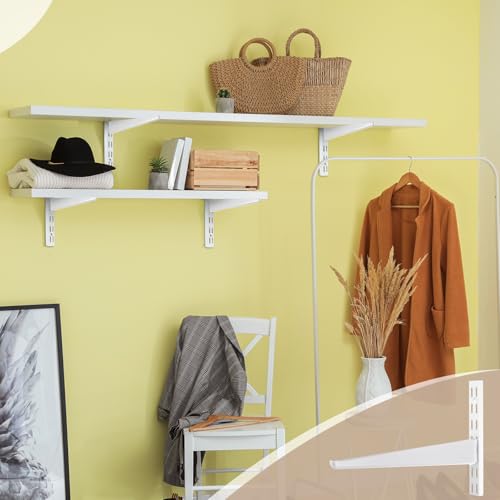
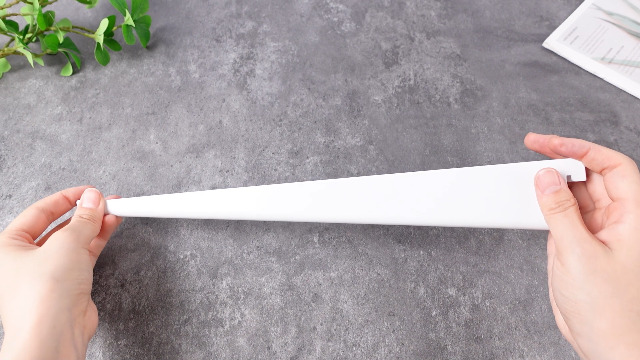
Prime CroBlissful 20-Pack 14.5" White Heavy Duty


As an Amazon Associate we earn from qualifying purchases. Product prices and availability are accurate as of the date/time indicated.
When to Skip This and Call a Professional
This type of DIY troubleshooting is not ideal for situations where a heavily loaded or tall shelving unit is pulling away from the wall, leaning, or at risk of tipping, or where you are unsure what is behind the wall. If the rack supports very heavy items, is installed above head height, or the wall shows cracking, crumbling, or water damage, skip this and consult a qualified professional. Always follow the manufacturer’s weight capacity and anchoring instructions and anchor tall shelving to the wall to prevent tip over, and do not attempt to reinforce a failing overhead or structural mount with makeshift hardware.
Frequently Asked Questions
Why does my adjustable shelving bracket keep popping out of the track?
One common cause is that the bracket tab is not fully seated in the slot, often because the rails are slightly out of plumb or the bracket size does not match the rail pattern. Try unloading the shelf, confirming the rails are vertical and evenly spaced, and reinserting the bracket until it drops and locks.
Can I mount an adjustable shelving rack on drywall without hitting studs?
You can in some cases, but it is not recommended for heavy loads unless you use wall anchors specifically rated for shelving and follow the anchor and shelving manufacturer’s instructions. For the most secure hold, try to align at least part of each rail with a stud and use appropriate anchors elsewhere.
How do I stop my shelving rack from pulling away from the wall?
Check that screws are long enough to reach solid backing and that anchors are not spinning or stripped, then redistribute weight toward the wall and over the brackets. If holes are already enlarged, move the rail to a fresh location with solid anchoring rather than reusing a failed hole.
Browse more picks in our Heavy Duty Shelving & Racking category, or see our related guide on Boltless Shelving vs Storage Rack Compared.


Write Your Review
No reviews yet. Be the first to share your experience!