

If you arrived here searching for an alternative to Prusament PLA, you probably enjoy printing with PLA but need a spool that solves a slightly different problem. Perhaps your regular choice is hard to find in your region, you want lighter parts for an RC model, or you prefer a matte surface that hides layer lines and takes paint well in a home garage setup.
This focused guide for 2026 looks at one practical substitute that keeps your workflow familiar while cutting part weight. You will see why Polymaker Light Weight PLA Filament 1.75mm Grey can fit that role for display pieces and flight models, and you can explore related materials in our 3D Printer Filament (PLA/PETG/ABS) hub when you run more than one machine.
This article contains affiliate links. If you buy through one of our links, TheGarageCrafted may earn a commission at no extra cost to you. Commissions never influence which products we recommend or how we rank them. Read our Affiliate Disclosure for details.
Quick Picks at a Glance

Prime Polymaker PolyLite LW-PLA 1.75mm Grey 800g
As an Amazon Associate we earn from qualifying purchases. Product prices and availability are accurate as of the date/time indicated.
Pros
- Lightweight yet very rigid, perfect for RC planes and structural models
- Easy PLA-like printing without foaming variables to calibrate
- Strong layer bonding, dimensional accuracy and great matte finish
- Neatly wound, dried and sealed spool for reliable feeding
Cons
- Needs slow 50mm/s printing and tuned retraction to control stringing
- Bed adhesion can be fussy, requires level bed and fan off for first layer
- Not active foaming LW-PLA, so heavier than foaming options for ultralight builds
Polymaker PolyLite LW-PLA in grey is a pre-foamed lightweight PLA made for RC pilots, drone builders and hobbyists who need stiff, light parts. It offers low 0.9g per cm3 density while using standard PLA settings, so it works with most 1.75mm printers.
Its standout benefit is PLA-like ease with no active foaming to calibrate. Users report excellent rigidity and layer bonding for wings and ailerons, plus a smooth matte surface that hides layer lines.
Build quality is a Polymaker strength, with consistent diameter, stable color and neat tangle free winding. The 800g spool arrives dried and vacuum sealed with desiccant, and the grey matte finish paints well for custom models.
It can be fussy to dial in, printing best slow at 50mm per second max with tuned retraction to limit stringing. Bed adhesion needs a clean, level bed with the fan off for the first layer, and tall sections may need a brim or raft.
Overall, this is an excellent pick for RC builders who want lighter, strong prints without foaming trial and error. If you need absolute minimum weight, active foaming LW-PLA is lighter, but for strength, ease and finish this is hard to beat.
Material: Pre-foamed Lightweight PLA, non foaming during printing, 1.75mm diameter
Weight and Density: 800g spool, low 0.9g per cm3 density compared to 1.17 for standard PLA
Recommended Settings: Nozzle 190C, Bed 50C, Speed 50mm per second max
Finish and Colors: Matte grey for hiding layers and easy painting, plus 6 other colors available
Print slow at 50mm per second max and lower travel and acceleration to protect tall wing sections.
Turn off the fan for the first layer on a clean, level bed, and use a brim or raft for tall or narrow parts.
Increase retraction distance and speed per Polymaker guidance and print one part at a time to reduce stringing.
Why Look for an Alternative
There are calm, practical reasons to consider an alternative to Prusament PLA instead of switching material families entirely. Availability can shift through 2026, and you may want an option from a widely stocked brand like Polymaker that you can reorder without delay. You may also want a different result, such as lower density for airborne parts or a flat matte look for gifts, plus a spool size that pairs well with your Clear Bins, Totes and Small Parts storage routine.
Small shop footprint and simple setup also drive the choice. A 0.8kg spool occupies less shelf space in a dry box or cabinet, which helps when you keep several colors on hand for family projects. As of November 2026, many garage makers also prefer a drop in formula that does not foam during printing, so you can keep a known slicer profile and skip extra calibration. For overhead ideas, see our walkthrough to organize clear storage bins in 8ft ceiling and free up bench space.
What to Look for Instead
A strong substitute should make life simpler, not more complex. When you compare any alternative to Prusament PLA, check whether it prints with settings you already trust, whether it delivers the weight or finish benefit you actually need, and whether the spool is simple to keep dry and tangle free in a garage environment.
Matching Print Settings Without Relearning Profiles
Start with heat and speed because those decide whether you can swap spools in an afternoon. This Polymaker filament is listed at 190C nozzle, 50C bed, and 50mm/s and described as using the same printing settings as regular PLA, so you can reuse a familiar 1.75mm PLA profile on most machines. Unlike traditional lightweight PLA that relies on foaming, this version is formulated not to foam during printing, which helps you avoid foaming related inconsistency and keep extrusion steady.
Steady adhesion and dimensional control matter just as much. The listing calls out good bed adhesion, consistent color, and dimensional accuracy, with a clear tip to turn off the fan for the first layer to improve bed adhesion. That detail helps in a cool or drafty garage where corners can lift, and it supports cleaner results with fewer issues such as warping, jamming, blobs, and layer delamination when your bed is leveled and clean.
Low Density, Rigidity and Layer Adhesion for Functional Parts
Density is the main reason you would pick this path over a standard roll. Standard PLA is referenced at about 1.17g per cubic centimeter, while this PolyLite Lightweight PLA is listed at 0.9g per cubic centimeter, so parts of equal size carry noticeably less mass. For your RC planes, gliders, or wall mounted display brackets, that lower mass can mean easier balancing, less load on mounts, and more forgiving handling during transport to the field.
Light weight still needs stiffness where vibration is involved. The description highlights high rigidity and excellent layer adhesion, positioning the material for stiff parts for radio controlled planes that see constant buzz and flex. When layers bond well and stay bonded, thin walls and spars hold their shape longer in use, and you spend less time reprinting cracked sections after a hard landing or a long drive in a warm car.
Matte Finish, Color Choice and Dry Spool Handling
Finish decides how much sanding and painting you will do after the print. This filament is noted to produce a matte surface finish that conceals layers and is easy to paint, which you will value for cosplay props, shop signs, or gifts where layer lines would distract. It is offered in seven colors including white, black, grey, wood, bright yellow, bright orange, and bright green, so you can start with a neutral base for custom paint or pick a vivid shade for ready to display pieces.
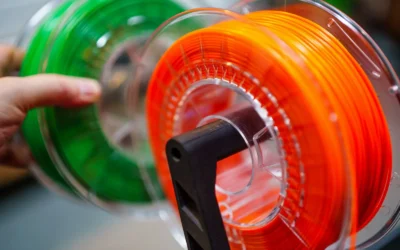
Winding and moisture control protect that finish before you even heat the nozzle. The spool is described as meticulously wound to prevent tangling and dried plus vacuum sealed in a resealable ziplock bag with desiccant for storage between jobs. You are advised to always hold the filament tip to avoid knots and to use the spool holes to park the end, habits that work well alongside sealed tote care like the tips in storage tote lid fixes for humid garage months.
Final Thoughts
If you want a simple alternative to Prusament PLA for 2026 that stays close to everyday PLA habits while trimming weight, this low density option deserves a spot on your short list. You can review specs and availability for Polymaker Light Weight PLA Filament 1.75mm Grey before your next RC or display build, then compare finish and handling notes for Polymaker Light Weight PLA Filament 1.75mm Grey as you plan dry storage inside your Garage Cabinets and Lockers setup for steady results.
Frequently Asked Questions
What is a good alternative to Prusament PLA for lightweight RC planes?
A low density PLA that does not rely on foaming can be a good fit when you want lighter airframes with familiar settings. This Polymaker Light Weight PLA is listed at 0.9g per cubic centimeter with high rigidity and good layer adhesion for stiff RC parts. You can run it with standard PLA temperatures while keeping profiles you already trust.
Can I print lightweight PLA with the same settings as regular PLA?
Yes, this specific formula is described as using the same printing settings as regular PLA, with listed points of 190C nozzle, 50C bed, and 50mm/s. It is made not to foam during printing, so you avoid extra foaming adjustments. Remember to turn off the fan for the first layer to improve bed adhesion, especially in a cool garage.
How should I store lightweight PLA filament in a garage?
Keep the spool dry, contained, and tangle free between prints for the most consistent flow. This product arrives dried and vacuum sealed in a resealable ziplock bag with desiccant, and it is wound to prevent tangling. Always hold the filament tip when handling and park the end in the spool holes, then return the roll to sealed storage after each job.
This roundup is not a good fit for every household; consider your specific needs and budget before buying.



Write Your Review
No reviews yet. Be the first to share your experience!