

Quick Answer
You can slow condensation and rust on equipment in an unheated garage gym by cutting trapped moisture, keeping air moving, and keeping bare steel clean and lightly protected. One common cause is warm, damp air settling on cold bars, plates, and uprights overnight and after workouts, which leaves a thin film that turns into surface spots. Try ventilating during training, running a fan afterward, wiping sweat off metal, and lifting gear off bare concrete. With steady habits, you may notice less morning dampness and slower new discoloration.
Why This Happens
Your unheated garage swings temperature much faster than your house. At night your barbell, rack, and plates get cold, then morning air, an opened door, or heat from your workout brings in warmer, more humid air. When that warm air touches cold steel, moisture can condense into tiny droplets you feel as slickness or see as fog. If that film sits for hours, light surface rust often follows, especially on knurling and raw edges.
Training itself adds humidity to a small space. Your breathing and sweat, damp shoes, wet jackets, and mopped floors all release moisture that lingers when doors stay shut. Concrete can also wick ground moisture upward, so plates stored flat and dumbbells in corners stay damp longer. For a related look at how damp garage corners affect metal, check this guide to metal cabinet rusting near the garage door and apply the same airflow ideas to your gym zone.
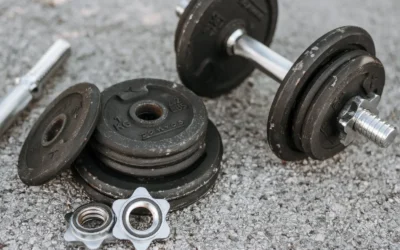
Finish type decides how fast that moisture turns into rust. Powder coat, chrome, and zinc coatings shed water better than raw steel or worn spots, but chalk dust, sweat salts, and scratches trap moisture against the surface. Bar knurling is a common starting point because it holds chalk and sweat in tiny grooves. Once coating chips or thins, those bare areas tend to discolor first and spread if left uncleaned.
Tight, still air makes the problem linger. Gear pushed hard against cold exterior walls or the garage door, stacked mats blocking vents, and no fan to exchange air all keep surfaces wet longer after each session. Creating a small breathing gap around large pieces helps. If you are reworking layout, these Small Space Garage Gym Ideas show ways to keep racks, benches, and plate storage away from the coldest, dampest spots.
Fixes to Try
- Crack ventilation and keep air moving before, during, and after training when weather and safety allow. Run a portable fan aimed low across your rack, bench, and plate area to push damp air out instead of letting it settle, and try to avoid sealing the garage tight right after a sweaty session.
- Lift all metal off bare concrete and pull it slightly away from cold walls. Place plates, dumbbells, and boxes on rubber mats, a plywood platform, or risers, and leave a narrow breathing space behind your rack for circulation. For floor moisture basics, review these Garage Floor and Safety tips to keep your training surface drier.
- Wipe down bars, handles, uprights, and bench frames after every workout while moisture is still fresh. Use a dry microfiber towel for sweat and visible dampness, then brush chalk from knurling with a soft nylon brush so residue does not hold salts against steel. Try to include collars, pins, and chain links that are easy to overlook.
- Add a light, maker-approved protective film to bare or worn steel where grip is not affected. A thin wipe of mineral oil or a protectant recommended in your manual can help repel surface moisture on shafts and hardware, and touch-up paint can cover small chips on rack frames. Check guidance first and keep grip areas dry and non-slick.
- Move small steel accessories into enclosed storage with desiccant instead of leaving them in open air. Collars, spare bolts, chains, bands with steel parts, and tools stay drier in lidded bins or cabinets that you open only as needed. If you want enclosed options built for damp spaces, browse this roundup of best heavy-duty metal garage storage cabinets for humid garages for ideas that pair well with gym gear.
When to Consider Replacing It
Think about replacement when you see more than light surface haze. If bar sleeves stick or grind, knurling feels rough and crumbly, rack holes flake around edges, cables show fraying near rust, or a bench feels less stable after cleaning, continued scrubbing may not restore function. If you would rather replace a small rust-prone accessory than keep troubleshooting it, one enclosed-storage option some lifters add nearby is below:
This article contains affiliate links. If you buy through one of our links, TheGarageCrafted may earn a commission at no extra cost to you. Commissions never influence which products we recommend or how we rank them. Read our Affiliate Disclosure for details.
Prime Zerust 11327 Vapor Capsules 4-Pack
As an Amazon Associate we earn from qualifying purchases. Product prices and availability are accurate as of the date/time indicated.
When to Skip This and Call a Professional
This DIY cleaning and airflow routine is not ideal for heavily corroded racks, benches, or cable machines where strength and stability matter. If uprights are deeply pitted, welds look swollen or flaking, fasteners seize or snap, or a bench or rack wobbles after cleanup, skip this approach and contact the equipment maker or a qualified repair pro. Do not grind, weld, or modify load-bearing parts on your own.
Frequently Asked Questions
Why does my barbell rust faster than my rack in an unheated garage gym?
Bars often show rust first because knurling traps sweat, chalk, and moisture, and hands transfer salts with every set. Racks usually have thicker powder coat that sheds water better until it chips. Try wiping and brushing your bar after each session while giving the rack a quick dry wipe.
Should I oil my garage gym equipment to stop condensation damage?
A light, maker-approved oil or protectant can help on bare steel shafts and hardware by making it harder for moisture to sit directly on metal. Check your manual first, use a very thin wipe, and keep bench pads, rubber, and grip zones clean and dry. Ventilation and dry storage still matter more than any coating alone.
Can I run a dehumidifier in an unheated garage gym in winter?
You can try in milder weather, but many portable units struggle in very cold spaces and small desiccant packs only help inside closed bins. Focus first on fans, venting after workouts, mats under gear, and enclosed storage for small parts. If dampness stays constant, ask an HVAC or moisture pro about options suited to cold garages in 2026.




Write Your Review
No reviews yet. Be the first to share your experience!