

Quick Answer
Yes, when filament absorbed moisture and is popping while printing, the sound is almost always steam bursting inside the hot end. Pause the print and dry the spool with gentle heat following the filament maker guidance, then keep it in a sealed container with fresh desiccant while you print and store it. After thorough drying you should often hear less hissing and see fewer bubbles, less stringing, and cleaner walls.
Why This Happens
All common filaments can pull water from the air, and some do it faster than others. PETG, TPU, and nylon are known for absorbing humidity quickly, while PLA and ABS are slower but still affected when left out in a damp garage or basement. If a spool sits unwrapped for days or weeks, especially near a laundry area, open door, or concrete floor, it can take on enough water to hiss in the hot end. That is why a spool that printed cleanly when new may start popping later in 2026.
The popping itself comes from trapped water flashing to vapor in the melt zone. When wet filament reaches the hot nozzle, the water expands rapidly and bursts, which you hear as pops, crackles, or sizzles. Those tiny steam bursts can leave bubbles, pits, rough walls, fuzzy stringing, and weak bonds between layers. You may also notice uneven extrusion or extra oozing, even though you did not change temperature or speed.
Loose storage is one common cause in home garages and workshops. A bag left open, a desiccant pack that is saturated, or a container with a warped rim or weak latch can let humid air drift in around the spool. It is similar to seal problems like a storage tote lid that will not snap shut, where a small gap is enough to defeat the whole box. If you can smell damp air, see condensation, or feel the filament is cool and slightly soft, the storage seal deserves a close look.
Your room environment also plays a large role in how fast a spool wets out again. Garages with bare concrete, poor airflow, open vehicle doors, or a nearby washer and dryer tend to swing in humidity through the day. Seasonal dampness, rainy weeks, and winter condensation on cold walls can add moisture even when the spool looks dry. Spools stored low to the floor, near an exterior wall, or in direct path of outside air often suffer first.
Fixes to Try
- Confirm moisture is the likely culprit by listening closely and inspecting the filament and first layers for tiny bubbles, foamy texture, excess fine strings, rough surfaces, or filament that snaps easily when bent gently, since those signs together often point to damp spool rather than a slicer error.
- Dry the spool with gentle, controlled heat using a dedicated filament dryer and follow the filament maker guidance for material type and duration, keeping the spool turning freely and allowing moist air to vent out rather than trapping it inside the chamber.
- Check the feed path while the spool dries by clearing dust from the spool, straightening any tight curls, cleaning the extruder gears lightly, and making sure the PTFE tube and nozzle are clear so wet, swollen filament does not add friction to an already rough extrusion.
- Move the dried spool straight into an airtight container with fresh or recharged desiccant and a humidity indicator if you have one, keeping the lid fully latched and opening it only to load or swap filament so the dry state lasts longer between prints.
- Lower room humidity around the printer by closing garage doors during damp weather, moving the printer away from washers, sinks, and exterior walls, improving airflow, and storing spare spools up on shelves rather than on cold concrete where condensation tends to collect.
When to Consider Replacing It
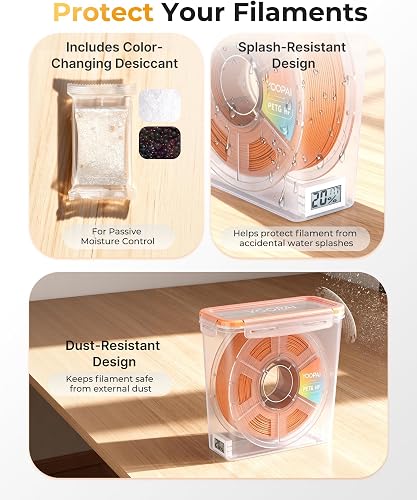
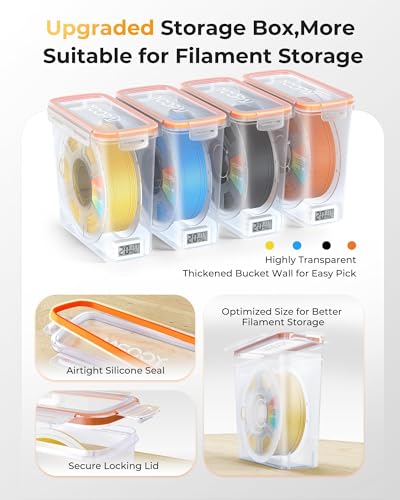
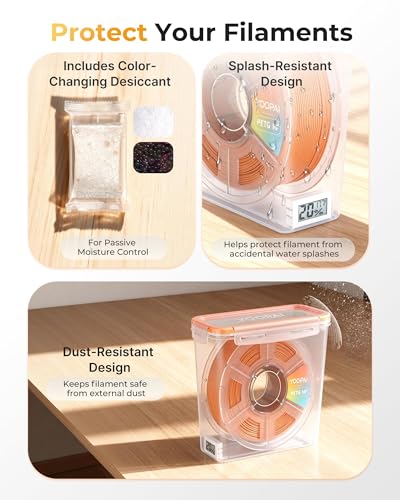
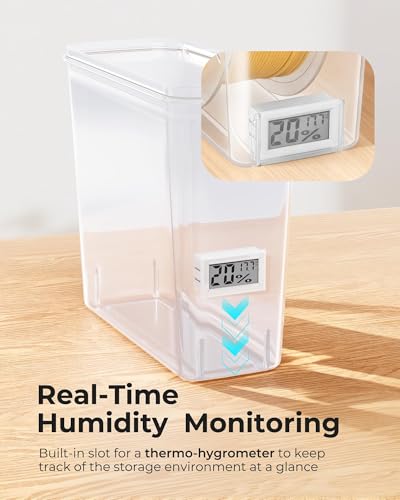
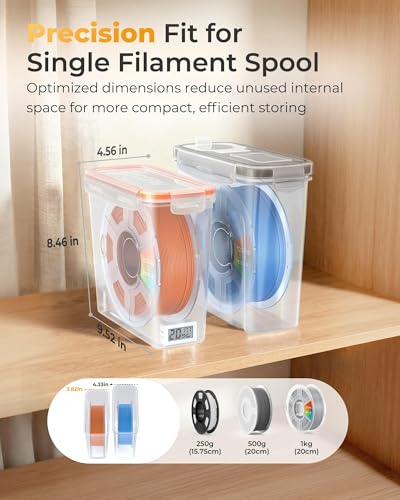
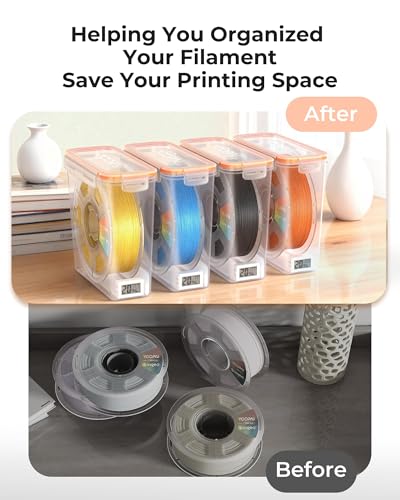
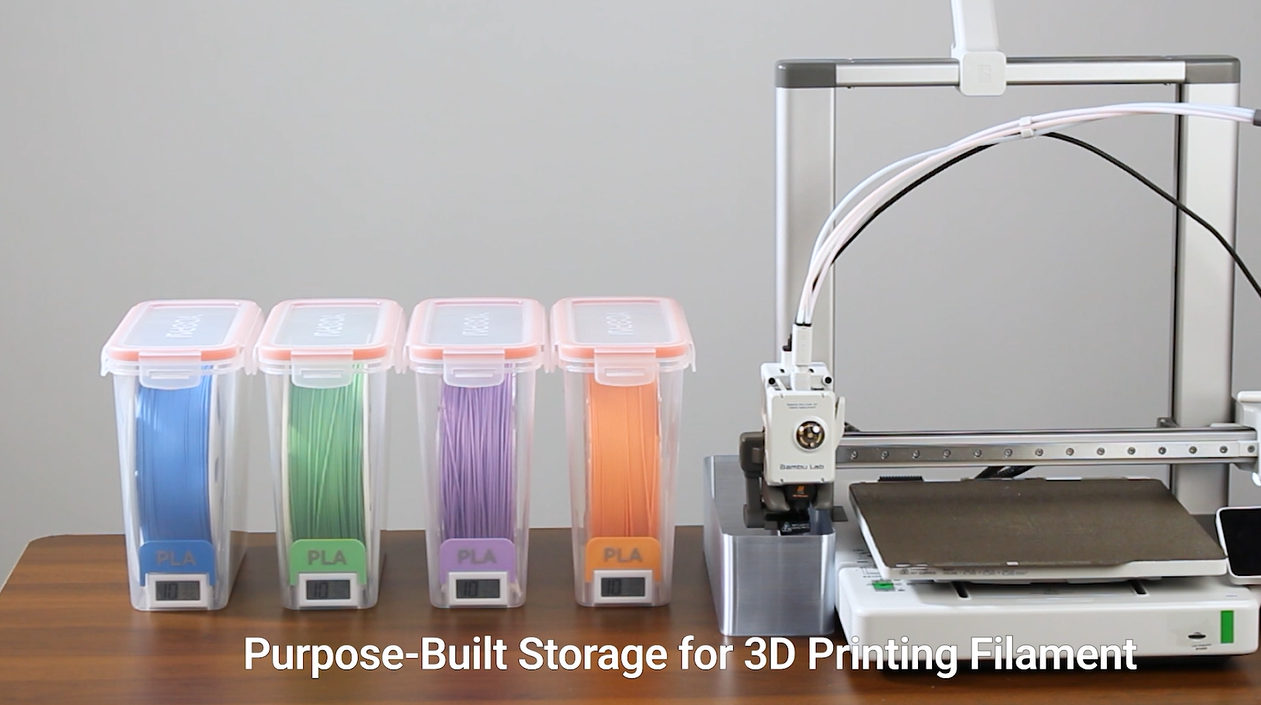
If the spool still pops loudly after a full drying cycle, stays brittle and snaps with light bending, shows constant bubbles and weak layers, or sat open in a damp garage for a very long stretch, further drying may offer diminishing returns. At that point it can be more practical to retire that spool for non-critical drafts and start fresh with better sealed storage from day one, as covered in the 3D Printer Filament (PLA/PETG/ABS) section. If you would rather replace ongoing troubleshooting with a more organized dry setup, one practical option is the YOOPAI Pro Filament Storage Box with Temperature for single-spool sealing with desiccant and visible monitoring.
This article contains affiliate links. If you buy through one of our links, TheGarageCrafted may earn a commission at no extra cost to you. Commissions never influence which products we recommend or how we rank them. Read our Affiliate Disclosure for details.

Prime YOOPAI Pro Filament Storage Box 4-Pack with Temp



As an Amazon Associate we earn from qualifying purchases. Product prices and availability are accurate as of the date/time indicated.
When to Skip This and Call a Professional
If you notice burning smells, scorched wiring, melted connectors, a cracked heater block, or repeated thermal errors, skip this drying routine and unplug the printer until the maker support team or a qualified service pro can advise you. DIY drying is not ideal for electrical faults, damaged hot ends, or printers that shut down with heat errors, and it is not a good fit when moisture is only one of several mechanical or electrical symptoms happening at once.
Frequently Asked Questions
Can I still use filament that is popping and stringing?
You can often keep using it after drying, especially if the spool is fairly new and was only left out for a short time. Try a full drying cycle, then run a small calibration shape to check for bubbles and stringing before you commit to a long print. If popping, brittleness, and rough walls remain after drying and careful storage, that spool may be better saved for drafts.
How do I know if my PLA or PETG absorbed too much water?
Listen for sharp pops or sizzles at the nozzle and look for tiny craters, foam-like texture, extra strings, and weaker layer adhesion. Filament that snaps easily, feels unusually rough, or has been left open in a humid garage is more likely to be damp. When those clues appear together without any recent slicer changes, moisture is one common cause to check first.
How should I store filament in a garage to prevent popping?
Keep each spool in its own airtight box with fresh desiccant right after printing, with lids fully latched and labels facing out so you open boxes less often. Store boxes on shelves with steady airflow rather than on concrete, and borrow ideas from a clear bins and small-parts approach to keep material sorted, visible, and sealed. Recharge or swap desiccant on a regular schedule during damp seasons in 2026.





Write Your Review
No reviews yet. Be the first to share your experience!