

Quick Answer
If your garage slatwall wall panel not holding weight sags, bows out from the wall, or lets hooks slip, the most common cause is that the panel is not anchored into studs and the load is concentrated on one groove. Try unloading the panel, confirming every mounting screw hits solid framing or a proper wall anchor rated for your wall type, reseating compatible hooks so they lock behind the T-channel lip, and spreading weight across multiple slots before you reload it.
Why This Happens
Most PVC slatwall panels are designed to be screwed through the slat into wood studs or solid backing. If you fasten only into drywall, even with light-duty plastic anchors, the panel can flex and pull away once you add leveraged weight like a shovel, ladder, or tote. Over time the top edge tilts forward and hooks no longer sit level.
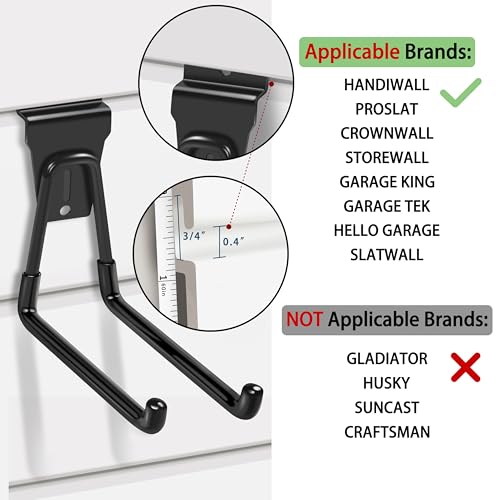
Incompatible or loose-fitting hooks are another frequent culprit. Many panels use a standard 3-inch on-center groove with a T-channel lip, but some hooks are made for a slightly different slot depth or profile. If the hook backplate does not drop in and lock behind the lip, it will rock, slide, or pop out when you add weight, even if the panel itself feels solid.
Installation errors also reduce holding strength. Screws driven at an angle, overtightened until they strip, or spaced too far apart leave sections of the panel unsupported. You may also see this if you skipped the interlocking seams or edge trim that help tie panels together into a rigid surface. For related install issues, see slatwall panel screws stripping during Install? 5 fixes before you give up.
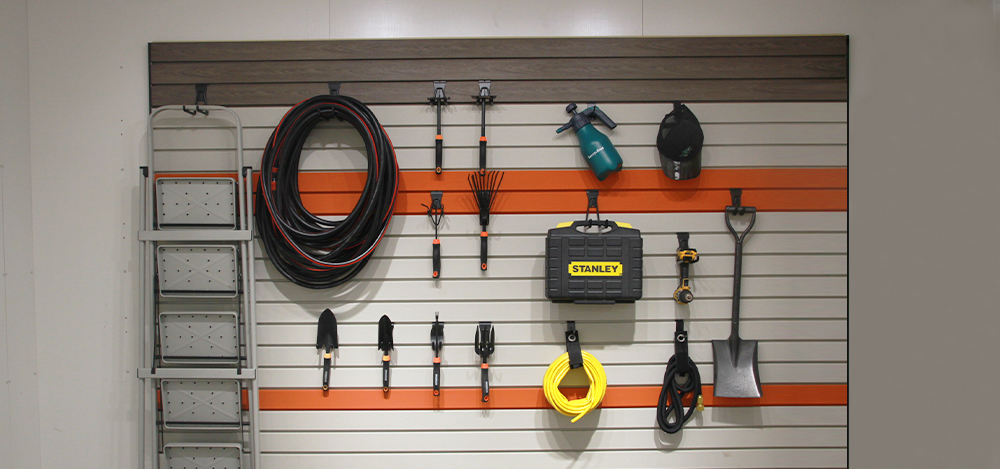
Finally, weight distribution matters more than total weight. Hanging a heavy tool on a single J-hook concentrates all the force on one small section of the groove, which creates leverage that pries the panel outward. Spreading that same load across two hooks, a double hook, or a basket reduces stress on any single point and helps the panel hold as intended. If you store heavy totes, this guide to best slatwall hooks for heavy totes explains hook styles that spread load better.
Fixes to Try
- Unload the panel completely and check how it is mounted. Gently pull at the top and bottom edges to feel for movement, and look for screws that spin freely, sit at an angle, or clearly missed the stud.
- Locate studs with a stud finder and add fasteners where you missed them, using screws and anchors rated for your wall material and following the panel manufacturer’s spacing and anchoring instructions. Snug the panel flat without overtightening, then add a final small turn.
- Verify hook compatibility and seating before reloading. Insert the hook into the groove, drop it down so the back plate catches the inner lip, and confirm it does not wiggle. Replace any hooks that sit shallow or are listed as incompatible with your panel system.
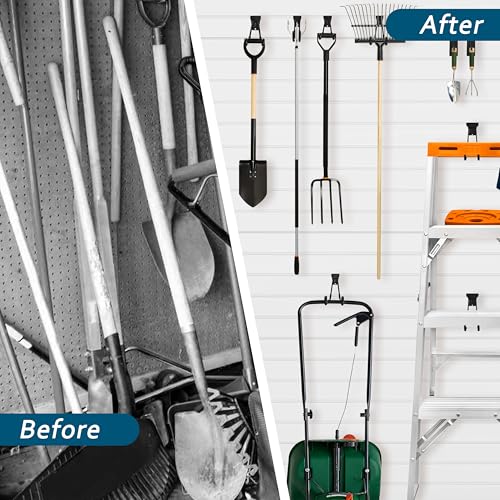
- Redistribute heavy items across two or more grooves and use the right accessory for the shape. Use double hooks for ladders and long tools, baskets or shelves for bulky items, and keep the heaviest items closest to a stud line.
- Re-engage interlocks and edge trim so panels act as one rigid surface, and consider adding a horizontal support board behind the panel if your studs are widely spaced. This helps prevent flex between fasteners. If you are working in a tight garage, 7 alternatives to NewAge slatwall panels for small spaces shows layout ideas that reduce overload in one area.
When to Consider Replacing It
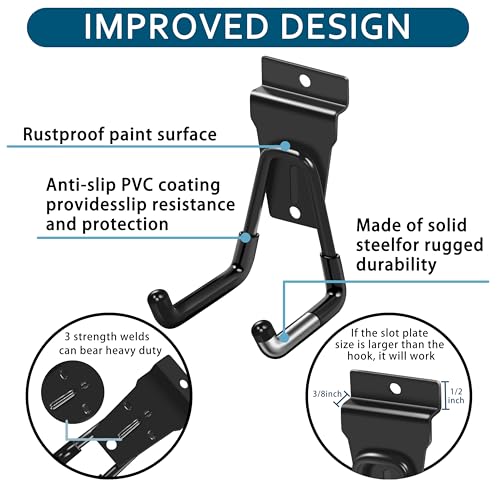
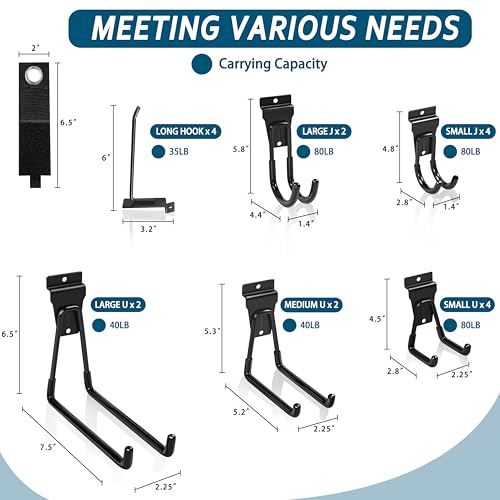
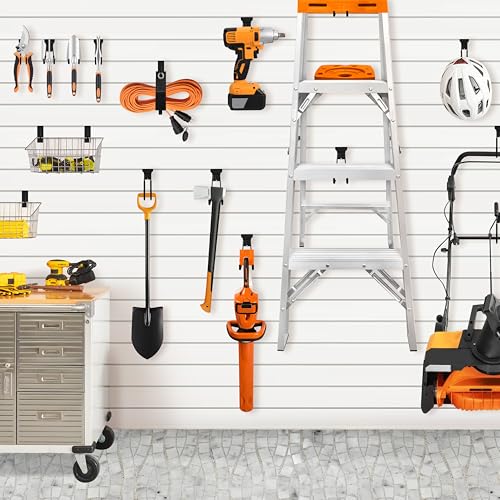
If the panel is cracked at the grooves, the screw holes are stripped and will no longer hold, or the T-channel lip is warped so hooks cannot lock in, repair may not restore strength. The same is true if the panel was cut too short or mounted without enough fasteners to ever feel rigid. If you would rather replace it than keep troubleshooting, one practical option is a hook set designed to seat firmly in standard grooves and spread load, such as the klasit Slatwall Hooks Black 20Pack Firmly.
This article contains affiliate links. If you buy through one of our links, TheGarageCrafted may earn a commission at no extra cost to you. Commissions never influence which products we recommend or how we rank them. Read our Affiliate Disclosure for details.

Prime klasit 20-Pack Slatwall Hooks


As an Amazon Associate we earn from qualifying purchases. Product prices and availability are accurate as of the date/time indicated.
When to Skip This and Call a Professional
This type of DIY adjustment is not ideal for panels that have pulled large sections of drywall away, show signs of water damage or mold behind the wall, or need to support very heavy overhead loads. If the wall structure feels soft, the panel will not stay anchored after you add proper fasteners, or you are unsure about weight limits and wall types, skip this and consult a qualified installer or contractor. Always follow the manufacturer’s weight capacity and wall-anchoring instructions, and do not overload a single groove beyond what the system is rated to hold.
Frequently Asked Questions
Why does my slatwall sag in the middle even with light items?
Sag in the center often means the panel is supported only at the ends or fasteners missed studs. Try unloading it, adding fasteners into solid framing at the recommended spacing, and re-engaging the interlocks so the panels support each other.
Why do my hooks keep falling out while the panel feels solid?
That usually points to hook and groove mismatch or hooks not fully seated. Check that your hooks are listed as compatible with your panel’s groove size, insert them fully, then press down until the back plate locks behind the lip and does not rock.
Can I fix a slatwall that is pulling away from drywall?
You can try removing the load, patching damaged drywall, and re-anchoring into studs with appropriate fasteners for your wall type. If the drywall is crumbling, the anchors spin freely, or the panel edge is damaged, replacement of the damaged section and proper anchoring into framing is the more reliable path.
Browse more picks in our Slatwall System category, or see our related guide on NewAge Slatwall Alternatives.




Write Your Review
No reviews yet. Be the first to share your experience!