

Quick Answer
For a garage slatwall wall panel rusting solution, start by removing loose rust with a stiff brush, cleaning the area thoroughly, and applying a rust converter that turns remaining rust into a paintable, protected surface. The most common cause is moisture getting to exposed steel or aluminum inserts, screws, or the panel edge after a scratch or chip, so sealing it after treatment is what keeps it from coming back.
Why This Happens
Most slatwall panels themselves are PVC or similar plastic that does not rust, but the metal parts do. That includes the screws, aluminum or steel inserts, brackets, and hooks, plus any steel wall behind the panel if moisture gets trapped. When the protective coating gets scratched during installation or from sliding hooks, bare metal is exposed and humidity does the rest.
Garages create the perfect conditions for rust. Temperature swings cause condensation, especially in spring and fall, and water can sit in the horizontal grooves. If you live near the coast or bring in road salt on your car, that salt spray settles on the wall and accelerates corrosion on any small chip or screw head.
Poor airflow and installation details make it worse. Panels mounted tight to drywall without a vapor barrier can trap damp air behind them, and over-tightened screws can crack the finish and open a path for water. You will often see rust start as orange speckles around screw heads, along the bottom edge, or where hooks have scraped the finish.
Once rust starts, it spreads under the surrounding paint or powder coat and causes bubbling and flaking. That is why just wiping it off does not last. You need to neutralize the rust that remains in pits and then reseal the surface, otherwise moisture returns to the same spot and the stain grows again.
Fixes to Try
Try these steps in order, starting with the least invasive. Work with good ventilation, wear gloves and eye protection, and check that the wall is dry before you seal anything.
- Clear and dry the area. Remove hooks and accessories, then brush off loose rust and dust with a nylon or brass brush and vacuum the grooves. Wipe with a damp cloth and a mild cleaner, rinse, and let the panel and wall dry completely.
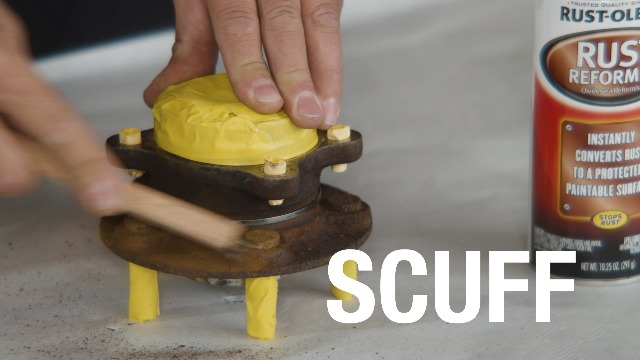
- Scuff and clean bare metal lightly. Use fine sandpaper or a scuff pad to smooth flaking edges and expose firm metal, then wipe with a clean cloth to remove residue. Avoid aggressive grinding that damages the surrounding PVC panel, and focus only on the rusted metal parts.
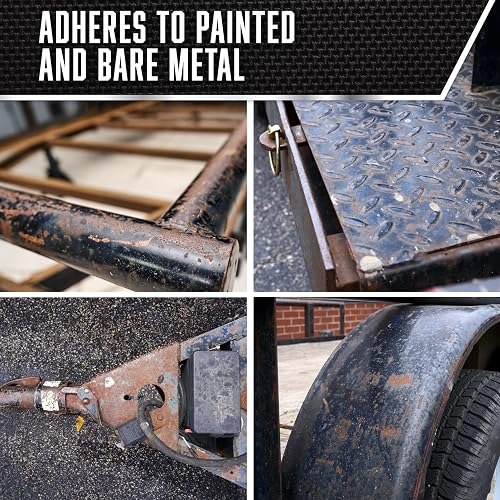
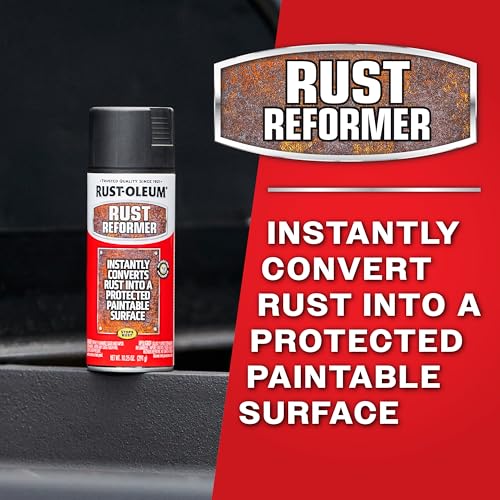
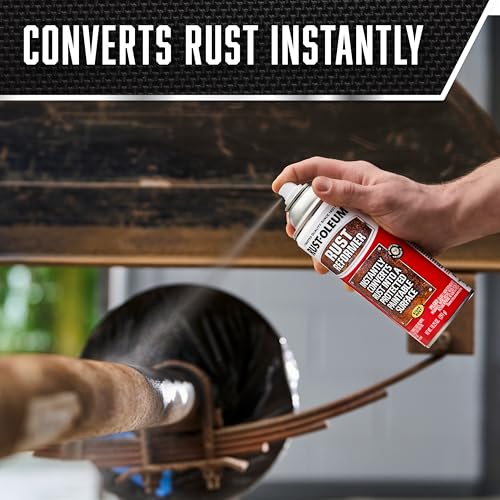
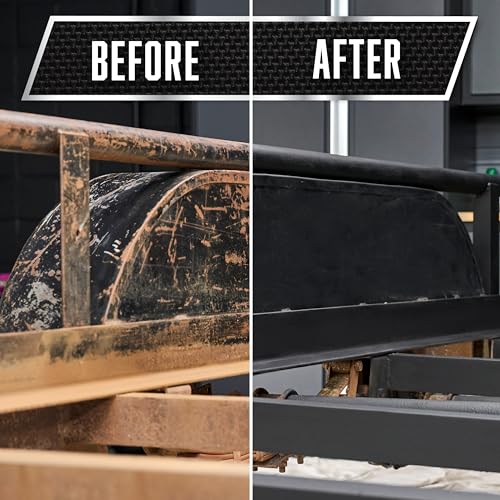
- Apply a rust converter on remaining rust. Follow the product instructions and apply a thin, even coat directly to the rusted metal, not the PVC. This type of product is designed to chemically convert rust into a stable, flat black surface that can be painted and helps prevent future rust.
- Seal and topcoat after curing. Give the converter time to fully cure according to the label, then apply a rust-inhibiting topcoat or touch-up paint made for metal. This seals out moisture and is especially important on screw heads and chipped inserts where water tends to collect.
- Improve airflow and prevent a repeat. Check for leaks, add a small fan or dehumidifier if the garage stays damp, and avoid trapping water in the slats. For future installs, see tips on avoiding damage like slatwall panel screws stripping during install so you do not crack the coating again.
If the rust is only on removable hardware, consider cleaning or replacing just the screws and hooks instead of the whole panel. Stainless or coated hardware resists corrosion better, and you can touch up any wall anchors with a corrosion-resistant primer before rehanging. You can also explore alternatives to NewAge slatwall panels if you want a fully PVC system with less exposed metal.
When to Consider Replacing It
Consider replacement when rust has caused deep pitting, the metal insert is crumbling, the panel is warped from trapped moisture, or rust keeps bleeding through after you have cleaned and sealed it. If you would rather replace than keep troubleshooting, a rust converter can still help you stabilize hardware before you swap panels, and a PVC-based system avoids future metal corrosion altogether.
This article contains affiliate links. If you buy through one of our links, TheGarageCrafted may earn a commission at no extra cost to you. Commissions never influence which products we recommend or how we rank them. Read our Affiliate Disclosure for details.

Prime Rust-Oleum Stops Rust Reformer Spray




As an Amazon Associate we earn from qualifying purchases. Product prices and availability are accurate as of the date/time indicated.
If you do replace, look for PVC slatwall with minimal exposed metal and proper installation guidance for your wall type. For low ceilings or tight spaces, you may also want to review best slatwall panels for low ceilings to choose a profile that stays dry and is easy to keep clean.
When to Skip This and Call a Professional
This DIY approach is not ideal for widespread rust that suggests a larger moisture problem, such as water intrusion behind the wall, mold, or rust on electrical boxes and wiring near the slatwall. If you see bubbling drywall, persistent dampness, or corrosion near outlets and lighting, skip this and have a qualified contractor or licensed electrician evaluate the wall before you seal anything in.
Frequently Asked Questions
Can you paint over rust on a garage slatwall wall panel?
You can, but you should neutralize the rust first. Remove loose flakes, apply a rust converter to the remaining rust, let it cure, then use a rust-inhibiting topcoat. Painting directly over active rust without conversion often leads to peeling and quick return of the stain.
Why is my PVC slatwall still showing rust stains?
PVC does not rust, so the stain is usually from metal screws, inserts, or hooks, or from rusty water dripping onto the panel. Try cleaning the panel with a mild cleaner, then focus treatment on the metal source above or behind the stain and seal it so it does not bleed again.
How do I prevent garage slatwall from rusting again?
Keep the wall dry and the finish intact. Control humidity with ventilation or a dehumidifier, wipe down grooves so water does not sit, touch up chips promptly, and use coated or stainless fasteners. Avoid over-tightening screws during install, which can crack the coating and expose bare metal.
Browse more picks in our Slatwall System category, or see our related guide on NewAge Slatwall Alternatives.

Write Your Review
No reviews yet. Be the first to share your experience!