

Quick Answer
If your garage storage rack keeps falling, the most common cause is that it is not anchored into solid wood studs or ceiling joists, or it is loaded unevenly and top heavy. Check that every vertical bracket or upright is driven into a stud or joist with the proper lag screws, empty the rack, reseat all clips and connectors, and reload with the heaviest items on the bottom.
Why This Happens
Most falling racks come down to anchoring. Drywall, plaster, or concrete anchors alone cannot hold a loaded rack for long. If screws missed the center of the stud or joist, or you used the plastic anchors that came in the box in drywall, the rack will slowly pull away and then drop when you add weight or bump it.
Weight distribution is the other major culprit. Putting heavy bins, paint cans, or tools on the top shelf makes the whole unit top heavy and prone to tipping forward or swaying off the wall. Overloading beyond what the manufacturer recommends can also bend uprights, stretch boltless slots, and cause shelves to collapse downward.
An uneven garage floor makes things worse. Many garages slope slightly for drainage, and boltless shelving with no leveling feet will rock, wobble, and walk out of its slots. If you have not checked for level and anchored a freestanding unit to the wall, even a light load can start a lean that ends in a fall. See related tips in shelving unit Won’t stay Level? 5 fixes before you give up for leveling ideas.
Finally, hardware loosens over time. Vibration from opening and closing garage doors, seasonal humidity changes, and repeated loading and unloading can back screws out and loosen clip connections. A rack that felt solid last year may now have a slight sway that turns into a full failure when you slide a heavy tote off the shelf. For concrete walls, anchor choice matters even more, as covered in how to organize boltless shelving on concrete walls.
Fixes to Try
- Confirm every mount hits solid wood. Use a stud finder to locate the center of each stud or ceiling joist, then remove one screw to verify you are in wood, not just drywall. Replace small screws or plastic anchors with the lag bolts or structural screws specified in your rack instructions, and add washers if the bracket holes are oversized.
- Empty the rack and reseat the frame. Take everything off, then check that each shelf clip, keyhole tab, or boltless connector is fully seated and tapped down until it locks. Tighten all nuts and bolts by hand, then give them a final snug turn, and make sure horizontal beams are level before reloading.
- Level the base and anchor to the wall. Place a level on the uprights and adjust leveling feet or use hard plastic shims under the posts until the unit does not rock. For freestanding shelving, install an L-bracket or furniture strap into a wall stud near the top to prevent tip over, which is a common upgrade discussed in HOMEDANT black 47.7″ deep 5 tier storage shelves vs heavy duty garage shelving 36″ W x 16″ D x 72″ H.
- Reload low and balanced. Put the heaviest bins and tools on the bottom shelf and lighter, less used items up top. Keep weight even from left to right and front to back, and avoid hanging heavy items off the front edge. Follow the manufacturer weight capacity and spacing guidance rather than stacking to the ceiling.
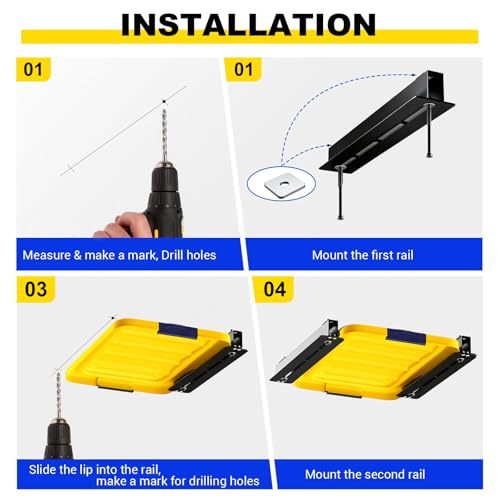
- Add support where the rack flexes. If the span sags in the middle, move shelves closer together or add a center support if your system allows it. For ceiling mounted racks, verify the rails run perpendicular to joists and that each rail is secured to at least two joists, never to drywall alone.
When to Consider Replacing It
If uprights are bent, welds are cracked, keyhole slots are stretched or torn, or the particle board shelves are swollen and crumbling, repair will not restore strength. The same is true if the rack has fallen more than once even after you moved it to studs and balanced the load. At that point, replacing the unit is often safer and less frustrating than continuing to patch failing metal or hardware.
This article contains affiliate links. If you buy through one of our links, TheGarageCrafted may earn a commission at no extra cost to you. Commissions never influence which products we recommend or how we rank them. Read our Affiliate Disclosure for details.

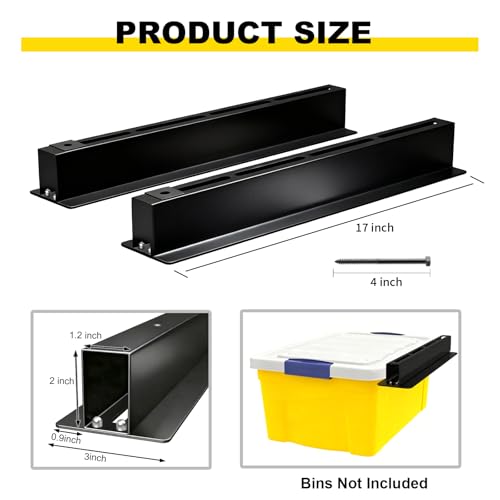
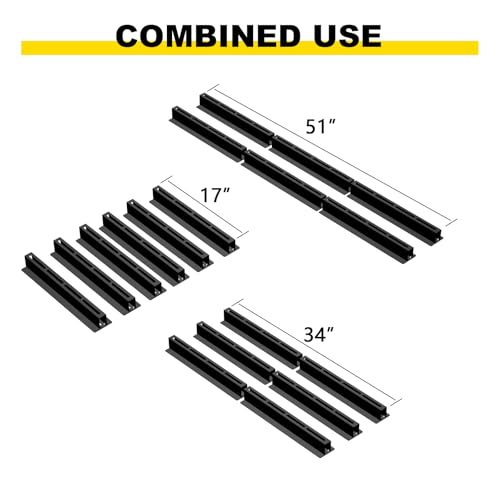
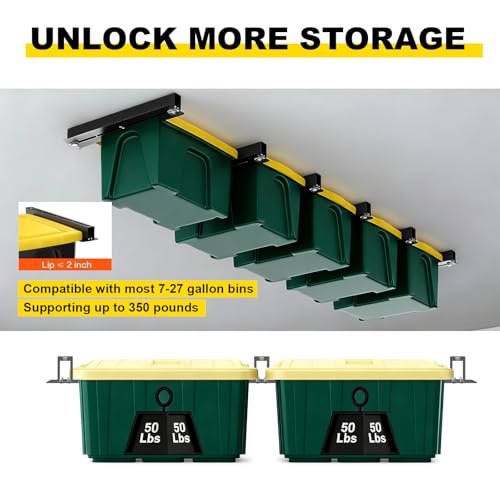
Prime Yuleimy Overhead Garage Ceiling Storage Rack



As an Amazon Associate we earn from qualifying purchases. Product prices and availability are accurate as of the date/time indicated.
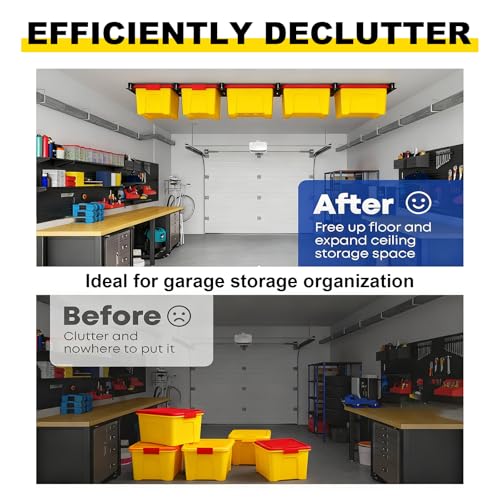
If you would rather replace it than keep troubleshooting, a ceiling mounted option like the Overhead Garage Storage Rack for 12 17 27 Gallon can be a practical choice for getting bins off the floor and onto joist anchored rails, as long as you follow the included joist anchoring instructions and weight guidance.
When to Skip This and Call a Professional
This DIY troubleshooting is not ideal for racks that hold very heavy loads overhead, show structural damage, or pull out of the ceiling with damaged joists or concrete. If the rack is mounted above cars, entry doors, or work areas, or you see cracked joists, crumbling concrete, or electrical wiring near the mounting points, skip this and contact a qualified contractor or licensed electrician as appropriate. Always follow the manufacturer weight capacity and ceiling joist anchoring instructions and anchor tall freestanding shelving to the wall to prevent tip over.
Frequently Asked Questions
Why does my garage storage rack keep falling off the wall even with anchors?
Plastic drywall anchors alone are not strong enough for a loaded rack. Try confirming each bracket is secured into the center of a wood stud with lag screws or structural screws rated for shelving, and check that the screws are long enough to get solid bite.
How do I stop a freestanding garage rack from tipping over?
Empty it, level the feet so it does not rock, then secure the top of the frame to wall studs with an L-bracket or anti-tip strap. Keep the heaviest items on the lowest shelf and avoid pulling bins straight out from high shelves, which can shift the center of gravity forward.
Can I fix a ceiling mounted rack that keeps sagging or dropping totes?
Check that the rails are anchored into ceiling joists, not just drywall, and that the tote size matches the rail spacing. Try adjusting the rail distance to fit your specific bins snugly, verify all fasteners are snug, and reduce the load if you notice any bending or movement.
Browse more picks in our Heavy Duty Shelving & Racking category, or see our related guide on Boltless Shelving vs Storage Rack Compared.






Write Your Review
No reviews yet. Be the first to share your experience!