

Quick Answer
If your garage storage rack is rusting, the most common garage storage rack rusting solution is to stop moisture at the source, remove loose rust, and seal the bare metal with a rust converter and topcoat. Most garage rust starts as surface rust where the powder coating has chipped or where condensation sits. Try cleaning the area, lightly abrading only the rusted spots, then applying a converter and paint rated for metal, while also improving ventilation and keeping the rack off damp concrete.
Why This Happens
Garages trap humidity, and that is the number one driver of rust on steel shelving and racking. Concrete floors sweat, doors open to humid air, and temperature swings create condensation on cold metal. If air does not circulate around the rack, moisture sits on joints, welds, and under the bottom shelf where you may not notice it until orange spots appear.
Coating damage accelerates the process. A scratch from sliding a tote, a chip from an overloaded shelf, or a scrape from a tool can expose bare steel. Once the protective powder coat or epoxy finish is broken, even light humidity can start oxidation. Overloading can also flex shelves and crack the coating at stress points, which is one reason a shelving unit that will not stay level often shows rust at the same time as wobble.
Contact with the floor and with corrosive materials makes it worse. Racks sitting directly on bare concrete wick moisture, and winter road salt, fertilizer, pool chemicals, or cleaning products stored nearby can create a corrosive film. If you have ever compared systems, you know that even heavy duty options like those in boltless shelving vs storage rack guides still rely on their coating, once that barrier fails, the steel underneath is vulnerable regardless of how strong the frame felt when new.
Lack of maintenance and poor placement also contribute. Dust and grime hold moisture against the metal, and racks pushed tight to an exterior wall or into a dark corner dry more slowly. In humid climates, leaving cardboard directly on wire shelves can trap dampness underneath. Over time, light surface discoloration can progress to bubbling paint and pitting if the moisture source is not addressed.
Fixes to Try
Try these steps in order, starting with the least invasive. Work in a ventilated area, wear gloves and eye protection, and check the manufacturer’s care instructions for your specific rack before you start.
- Control moisture first. Try moving the rack a few inches off the wall and off direct concrete contact using plastic shims or a shelf liner, improve airflow with a fan or dehumidifier, and wipe down condensation. Without reducing humidity, any rust treatment is likely to return.
- Empty the rack and clean it thoroughly. Try removing everything, vacuuming dust, then washing the rusted areas with mild soap and water. Dry completely with towels and allow air drying, moisture left in corners and under shelf lips is a common cause of repeat rust.
- Remove loose rust only where needed. Try using fine-grit sandpaper, a nylon abrasive pad, or a wire brush to lift flaking rust and feather the edges of the surrounding coating. Avoid grinding down to shiny metal across the whole shelf if only spots are affected, and wipe away dust with a dry cloth.
- Apply a rust converter and protective topcoat. Try following the product label closely, apply a thin, even coat of converter to the prepared rusted spots, allow the recommended drying time, then add a topcoat rated for metal. For concrete wall setups, this is also a good time to review how to organize boltless shelving on concrete walls so anchors and wall contact points stay dry and secure.
- Touch up and protect the coating. Try sealing chips with appliance or metal touch-up paint, adding shelf liners to reduce scratching, and avoiding dragging heavy totes across shelves. Re-check bottom feet and joints monthly, and reapply a light protective wax or coating where the manufacturer allows it.
When to Consider Replacing It
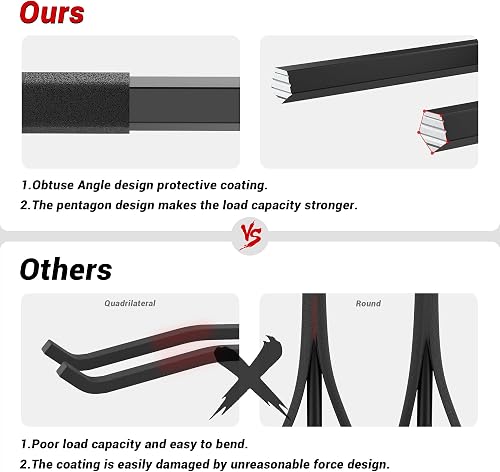
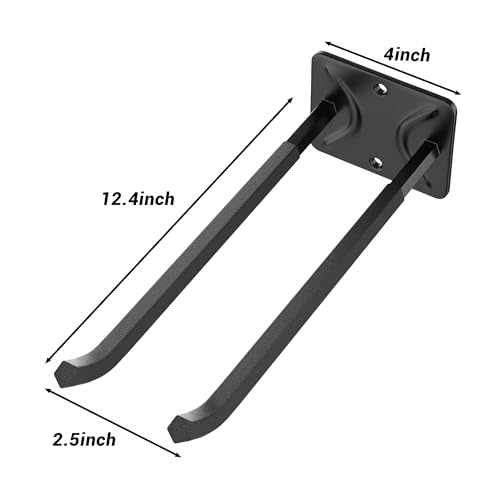
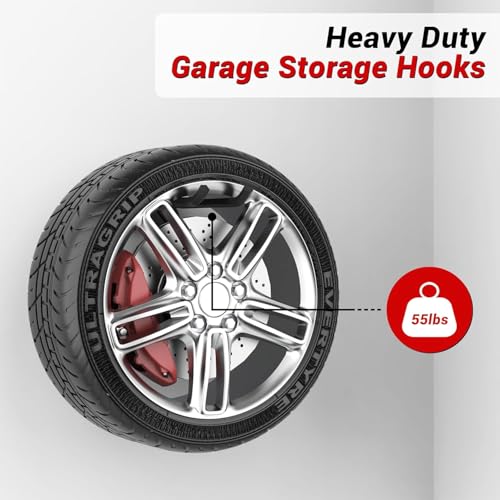
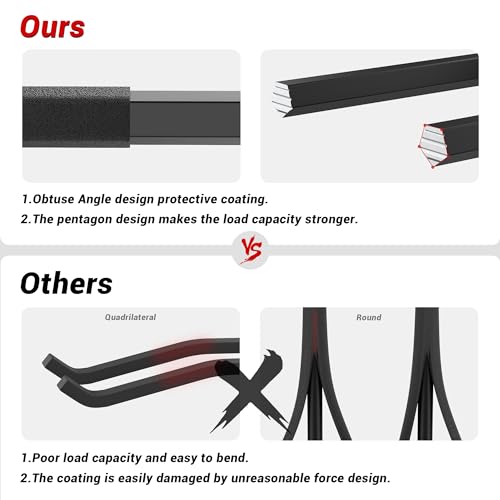
If rust has progressed from surface discoloration to deep pitting, flaking in layers, or soft spots at welds and uprights, repair is often not worth the effort. Try checking if shelves sag when loaded lightly, if legs are no longer stable, or if rust returns quickly after treatment despite dry conditions. If you would rather replace it than keep troubleshooting, one practical option with a powder-coated steel finish designed to resist rusting, chipping, and cracking is the Ultrawall Garage Storage Hooks for wall-based tool storage that gets items off the floor and away from standing moisture.
This article contains affiliate links. If you buy through one of our links, TheGarageCrafted may earn a commission at no extra cost to you. Commissions never influence which products we recommend or how we rank them. Read our Affiliate Disclosure for details.

Prime Ultrawall Garage Storage Hooks 4 Pack




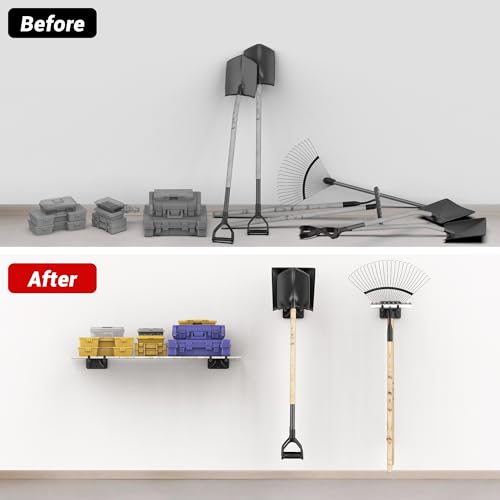
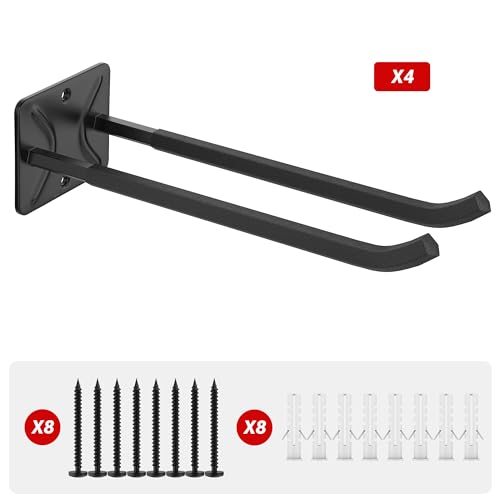
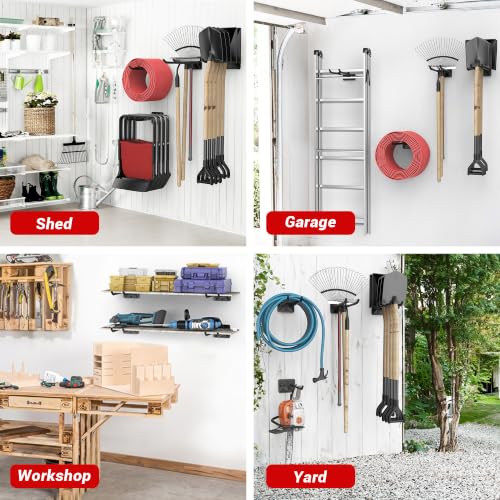
As an Amazon Associate we earn from qualifying purchases. Product prices and availability are accurate as of the date/time indicated.
When to Skip This and Call a Professional
DIY rust treatment is not ideal for racks that are structurally compromised, heavily loaded, or anchored overhead. If a tall rack sways, leans, or shows cracked welds, if it holds heavy or hazardous items, or if an overhead or ceiling-mounted system is involved, skip this and consult a professional. Always follow the manufacturer’s weight capacity and anchoring instructions and anchor tall shelving to the wall to prevent tip-over, and do not try to reinforce a failing frame with makeshift bracing.
Frequently Asked Questions
Can I paint over rust on my garage storage rack without sanding?
You can try a rust converter that is designed to bond with rust, but you should still remove loose, flaking material first. Try cleaning and lightly abrading only the affected spots, then follow the converter and topcoat label for preparation and drying. Painting directly over loose rust without prep often leads to bubbling and peeling.
Why does my garage rack keep rusting in the same spot?
One common cause is a recurring moisture source in that location. Try checking for floor dampness, wall condensation, a nearby chemical spill, or a chipped coating that was not fully sealed. Improving ventilation, adding a liner, and sealing the chip completely can help break the cycle.
Is surface rust on a garage shelving unit dangerous?
Light surface rust is often cosmetic at first, but it can become structural if it pits the steel or weakens welds and joints. Try inspecting shelf supports, uprights, and hardware for thinning or flaking. If the rack feels less stable or shelves deform under normal loads, consider replacing it and verifying proper anchoring.
Browse more picks in our Heavy Duty Shelving & Racking category, or see our related guide on Boltless Shelving vs Storage Rack Compared.

Write Your Review
No reviews yet. Be the first to share your experience!