

Quick Answer
If your heavy duty steel rack won’t stay mounted, the most common cause is anchors that missed the wall studs or are pulling out of drywall alone. Steel racks need solid wood studs, concrete, or brick to hold, and even a slightly overloaded shelf can slowly work loose. Check your mounting points first, confirm you are in solid structure, and reduce the load before you try anything else. A quick unload and wiggle check often reveals whether the issue is the wall, the hardware, or the way weight is distributed.
Why This Happens
Most wall mounted steel racks fail because they were fastened only to drywall or to the edge of a stud rather than centered in solid wood. Drywall alone cannot support the shear and pullout forces from a loaded rack, so screws gradually elongate the hole and the bracket sags. Even hitting a stud off center gives far less holding power than a centered lag bolt, and that small error gets worse with every bin you add.
Overloading or uneven loading is another frequent culprit. Placing the heaviest bins on the front edge creates leverage that pulls the top anchors outward, which is why many brackets are angled slightly back to help keep weight centered. If you concentrate weight on one side or exceed the manufacturer’s guidance, the rack will creep down even if the initial install felt solid. For related leveling issues, see this guide on shelving unit Won’t stay Level? 5 fixes before you give up.
Wall material and hardware mismatch also causes problems. Concrete and brick need proper masonry anchors, while wood stud walls need lag bolts into the stud itself, not plastic drywall anchors. Using anchors that are too short, too narrow, or not rated for the wall type lets the rack wobble and eventually pull free. Humidity and temperature swings in a garage can also loosen fasteners over time as wood expands and contracts, and vibration from doors can accelerate that loosening.
Finally, installation alignment matters more than it seems. If the vertical rails or brackets are not level and not aligned with the same stud spacing, one side carries more load than the other and works loose first. A small initial lean gets worse as you add weight, and the uneven stress can bend brackets or wallow out holes. This is similar to issues covered in how to organize boltless shelving on concrete walls where spacing and wall type determine stability.
Fixes to Try
- Empty the rack completely and check every anchor point for movement. Gently pull and wiggle each bracket, look for enlarged holes, cracked drywall, or bolts that spin without tightening, and note which side is loosest.
- Locate the studs correctly with a stud finder and confirm the center, then verify spacing matches the rack’s mounting holes. If your holes missed the stud, you will need to drill new pilot holes centered on the stud or use a proper masonry anchor for concrete or brick, following the manufacturer’s instructions.
- Reinstall with the correct hardware for your wall type and give anchors time to fully set if you use masonry anchors or concrete screws. Tighten lag bolts snug without overtorquing, which can strip wood, and make sure brackets are level and evenly seated before reloading.
- Redistribute weight to reduce leverage, placing heavier items closest to the wall and lighter items toward the front edge. Avoid concentrating all the load on one shelf or one side, and keep the total load within the manufacturer’s stated capacity for your specific model.
- Add stability checks on a regular schedule, especially after seasonal changes. Periodically check fasteners by hand, look for new wobble, and consider a horizontal ledger board into multiple studs if your wall layout allows and the manufacturer approves that method. For comparison of different systems, see HOMEDANT black 47.7″ deep 5 tier storage shelves vs heavy duty garage shelving 36″ W x 16″ D x 72″ H.
When to Consider Replacing It
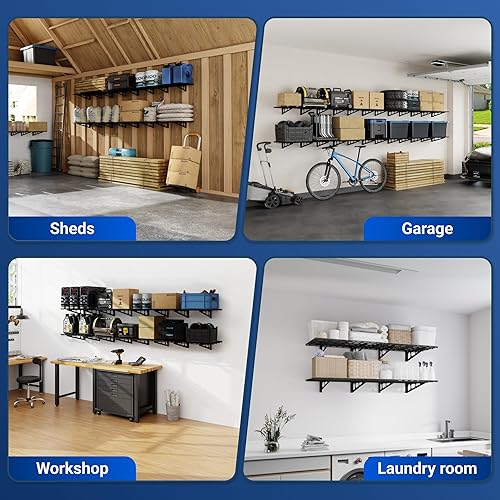
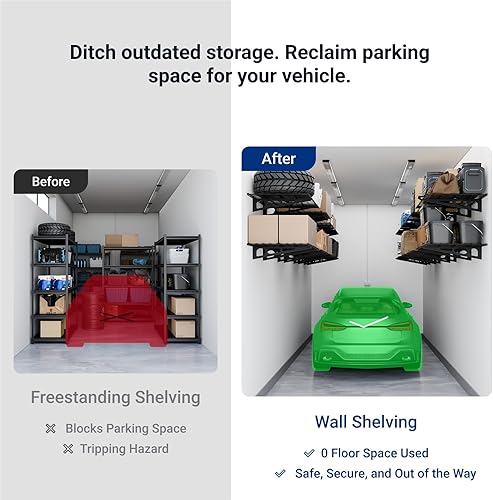
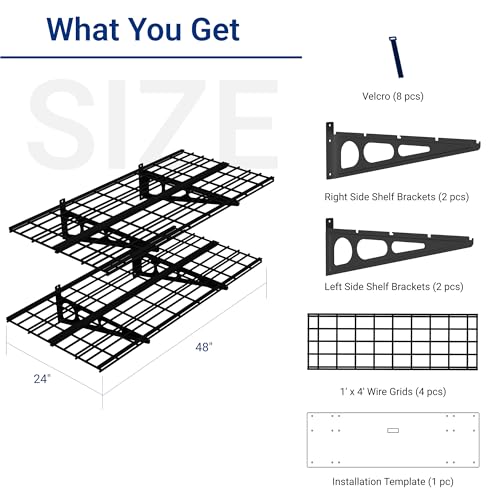
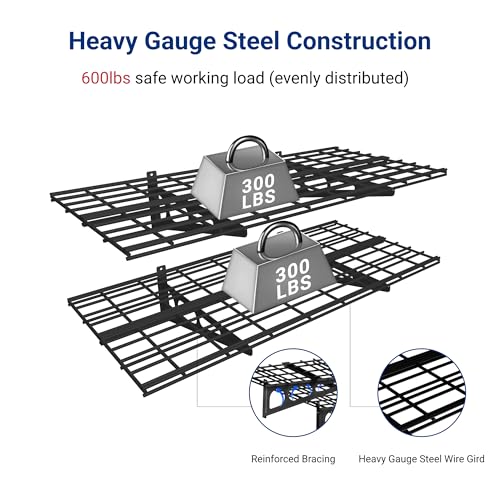
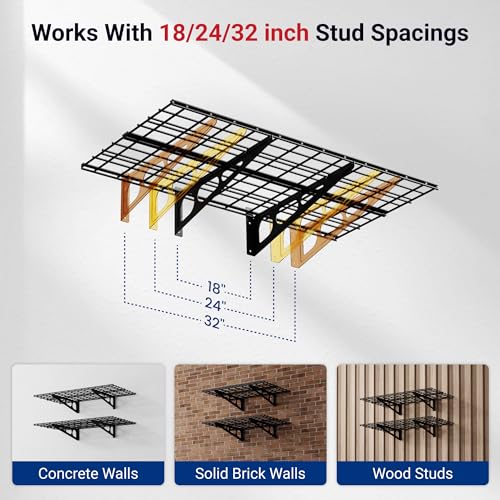
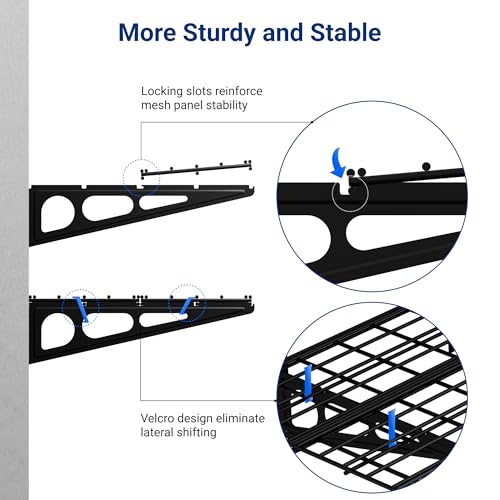
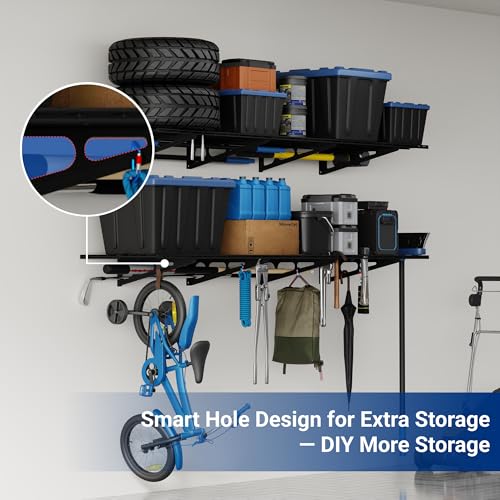
If the mounting holes are badly wallowed out, the brackets are bent, welds are cracked, or the wall itself is crumbling around the anchors, repeated repairs are not ideal for long term safety. Stripped studs or spalled concrete often will not hold the same fastener again without major patching, and a deformed steel frame will not sit flush even with new hardware. At that point, starting fresh with a system designed for your stud spacing and wall type can be more reliable than chasing loose anchors. If you’d rather replace it than keep troubleshooting, one practical option to evaluate is the FLEXIMOUNTS 2-Pack 2x4ft 24-inch-by-48-inch Wall, which is designed for wood stud, concrete, or brick walls with included hardware and a template to help align mounting points.
This article contains affiliate links. If you buy through one of our links, TheGarageCrafted may earn a commission at no extra cost to you. Commissions never influence which products we recommend or how we rank them. Read our Affiliate Disclosure for details.
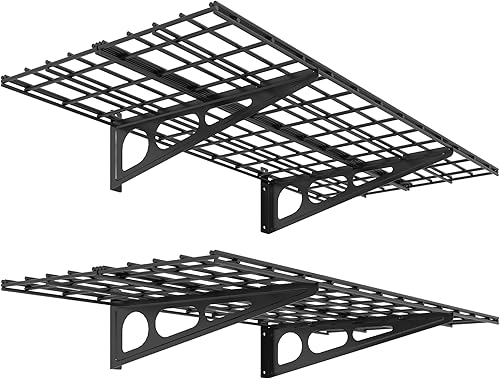
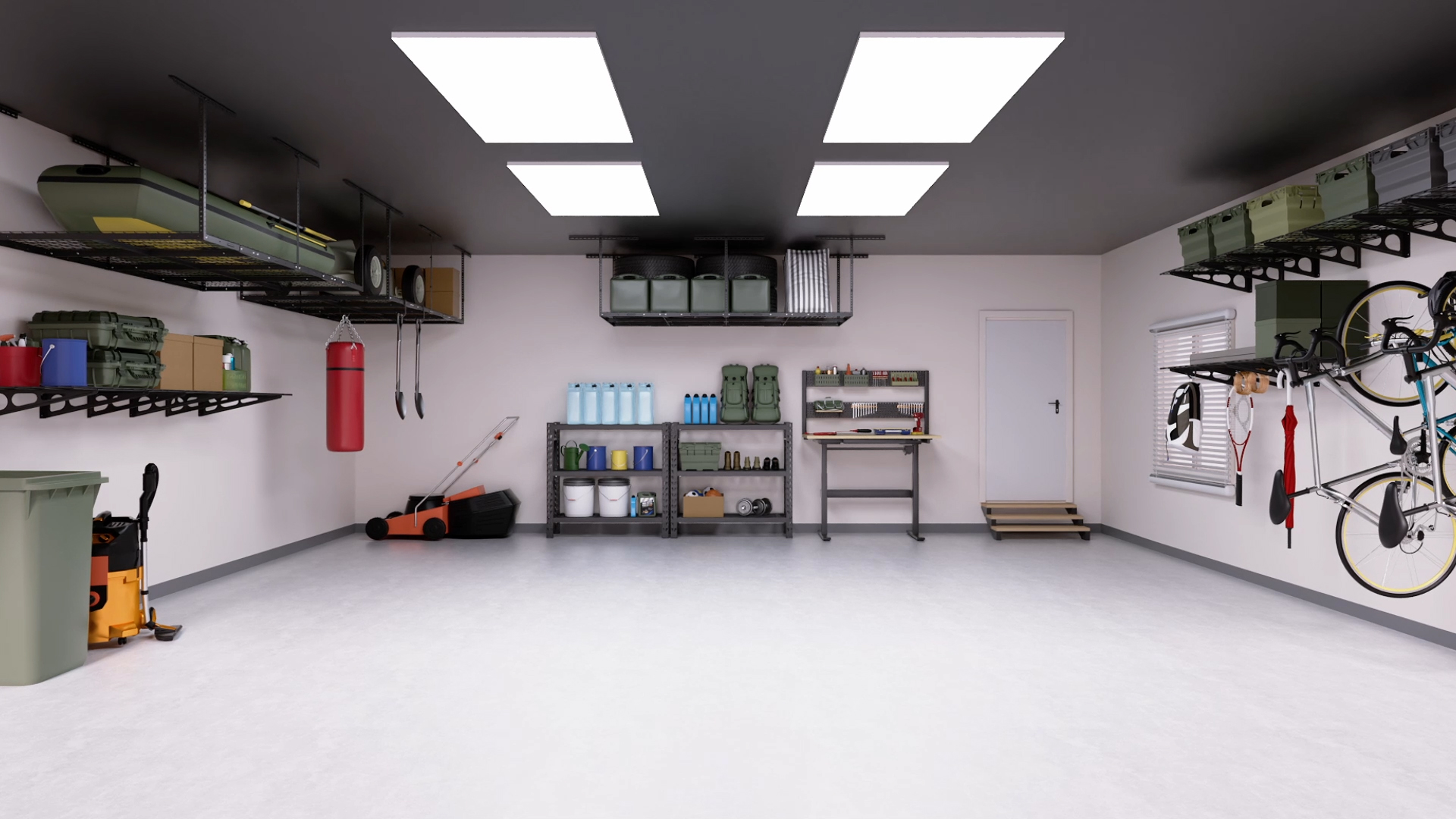
Prime FLEXIMOUNTS 2-Pack 2x4ft Garage Wall Shelves
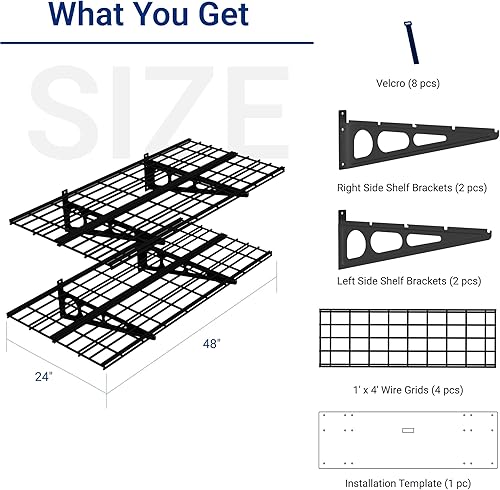
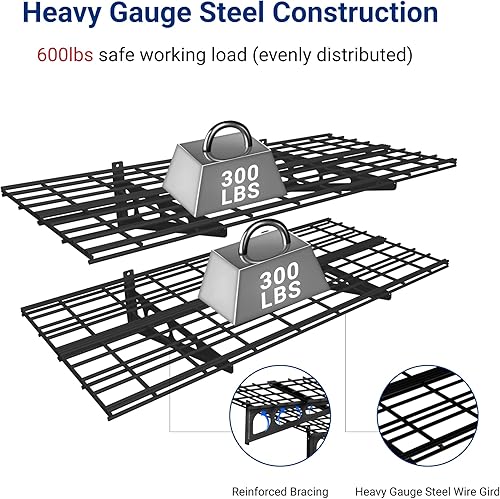


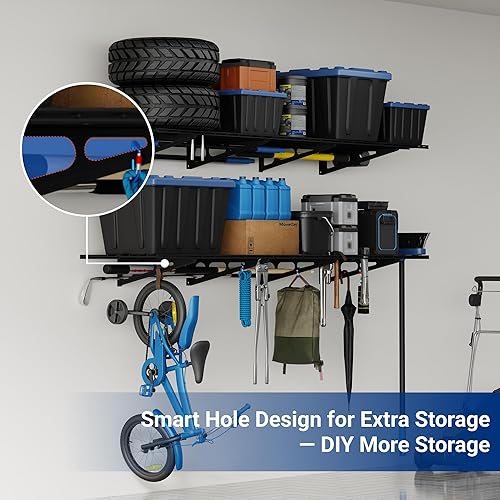


As an Amazon Associate we earn from qualifying purchases. Product prices and availability are accurate as of the date/time indicated.
When to Skip This and Call a Professional
This DIY troubleshooting is not ideal for racks that hold very heavy or overhead loads, installations where the rack has already pulled a large chunk of wall out, or any situation where you are unsure what is behind the wall. If your heavy duty steel rack won’t stay mounted above a workbench, doorway, or vehicle, or if the failure involves cracked masonry, damaged studs, or a tall freestanding unit that could tip, skip this and consult a qualified contractor or handyman. Always follow the manufacturer’s weight capacity and wall anchoring instructions and anchor tall shelving to the wall to prevent tip-over, and do not try to improvise anchors for structural or overhead mounting failures.
Frequently Asked Questions
Why does my heavy duty steel rack keep pulling out of the wall?
Most often it is anchored into drywall alone or off center of the stud, so the fasteners cannot resist pullout forces. Try confirming stud centers, using the correct lag bolts or masonry anchors for your wall type, and keeping the load centered and within the rated capacity.
Can I use drywall anchors for a heavy duty steel rack if I cannot find a stud?
Standard plastic drywall anchors are not recommended for heavy wall mounted steel racks, as they are not designed to support that kind of shear and leverage. Try repositioning the rack to align with studs or solid masonry, or choose a freestanding heavy duty shelving unit that does not rely on wall anchors.
How do I know if I overloaded my wall mounted rack?
Signs include brackets that slowly bend down at the front, fasteners that loosen after a few weeks, or a visible gap forming between the bracket and the wall. Try unloading the rack, checking the manufacturer’s capacity guidance, and reloading with heavier items close to the wall and evenly distributed across the shelf.
Browse more picks in our Heavy Duty Shelving & Racking category, or see our related guide on Boltless Shelving vs Storage Rack Compared.



Write Your Review
No reviews yet. Be the first to share your experience!