

Quick Answer
Most wobble in a slatwall garage system comes from mounting screws that missed wall studs or anchors that have worked loose over time, not from the panels themselves. Try emptying the wall, then check every mounting screw to confirm it is seated solidly into a stud, make sure the panels are level and fully interlocked, and redistribute heavy items more evenly. In many garages you can make the system feel solid again without taking the whole wall down.
Why This Happens
Slatwall relies on a continuous connection to the wall behind it. If the installer used only drywall anchors or missed studs in key spots, the panels can flex when you load hooks or shelves. Over time vibration from opening and closing the garage door and repeated loading and unloading can loosen those points and create noticeable wobble.
Garage walls are rarely perfectly flat. Concrete, block, or bowed studs can leave gaps behind the panels, and seasonal humidity and temperature swings can cause slight expansion or warping. When panels are not shimmed to sit flat or are not fully locked together at the tongue and groove edges, the whole run can rock or creak when you add weight. If you are dealing with slatwall panel screws stripping during install, that loose bite is often the start of later wobble.
How you load the wall matters as much as how it was hung. Concentrating heavy totes, tool sets, or power equipment on one section or using light duty hooks for heavy items puts leverage on a small area. That leverage can pry at the slats and make accessories feel loose, which many people describe as the wall itself wobbling. Choosing the right accessory for the load helps, as covered in guides to the best slatwall hooks for heavy totes.
Accessory fit is another common source of movement. Standard slatwall hooks and brackets rely on a precise lip engagement with the slat. If the hook is undersized for your panel profile, bent from overload, or not fully seated, it will rock in the groove and transfer that movement to the panel. Metal inserts or backplates that are missing or damaged can also reduce grip.
Finally, fastener fatigue adds up. Screws driven at an angle, overtightened and stripped, or driven into crumbling drywall or soft sheathing lose holding power. Even one or two failed points along a long horizontal run can let the entire section pivot slightly, especially near seams and corners where panels meet trim or J channels.
Fixes to Try
Work from the least invasive check to the more involved correction. Empty the wall first so you can see and feel movement without extra load, and have a stud finder, level, and driver on hand.
- Remove all hooks, baskets, and shelves and gently push on the panels to find where movement starts. Check each visible mounting screw for looseness and try to tighten it. If a screw spins without gripping, it likely missed a stud or the anchor has failed and will need to be reset.
- Locate studs with a stud finder and verify screw placement. Add fasteners where there are gaps in stud engagement, following the panel manufacturer’s spacing guidance. Replace any stripped drywall anchors with anchors rated for the wall material, and avoid overtightening which can strip the hole again.
- Check for level and flatness. Place a level across the slats and look for bowing or gaps behind the panel. Where the wall is uneven, loosen the panel slightly and add thin shims behind it to bring it into plane, then resecure. Make sure each panel’s tongue is fully seated in the groove of the panel below it.
- Rebalance the load before you reload. Move the heaviest items to the lowest usable slats and closest to stud lines, spread weight across multiple slats, and confirm each hook or bracket is fully seated with its locking tab engaged. Consider screw-down brackets for wood shelves so the shelf and bracket move as one unit.
- Reinforce accessory connection points. If hooks rock or pull out easily, the slat lip may be worn or the accessory may not match your panel profile. Try a compatible adapter or backplate that lets you screw the accessory to a stable plate, and use the correct slatwall-specific hooks rather than generic peg hooks.
After each adjustment, reload a few items and check for flex before adding everything back. Small corrections often compound, so tightening a few key screws and shimming one low spot can eliminate most of the wobble without a full reinstall. If you are planning a layout change, this is also a good time to review alternatives to NewAge slatwall panels for small spaces to see how different panel sizes and layouts distribute load.
Give any new anchors or shims time to set and recheck after a day of normal use. Garage temperature changes can cause materials to expand and contract, so a quick follow up check helps you catch any fasteners that need a final snug.
When to Consider Replacing It
Repair makes sense when the panels are intact and the issue is limited to a few loose points or poorly seated accessories. If panels are cracked, the slat lips are chipped or deformed, screw holes are enlarged beyond repair, or the wall has been patched multiple times with no solid bite left, replacement is often more reliable than continued patching. The same is true if the system was installed with the wrong panel profile for your accessories and nothing seats securely.
This article contains affiliate links. If you buy through one of our links, TheGarageCrafted may earn a commission at no extra cost to you. Commissions never influence which products we recommend or how we rank them. Read our Affiliate Disclosure for details.

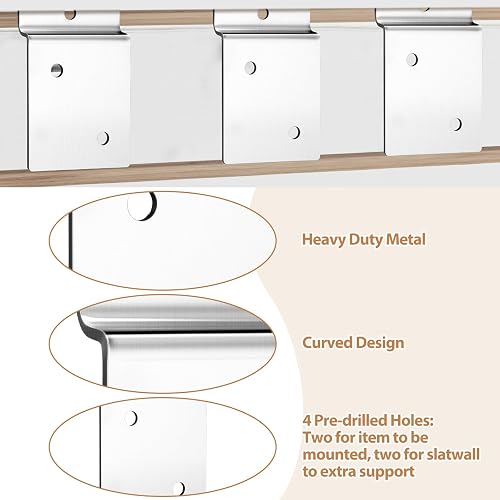
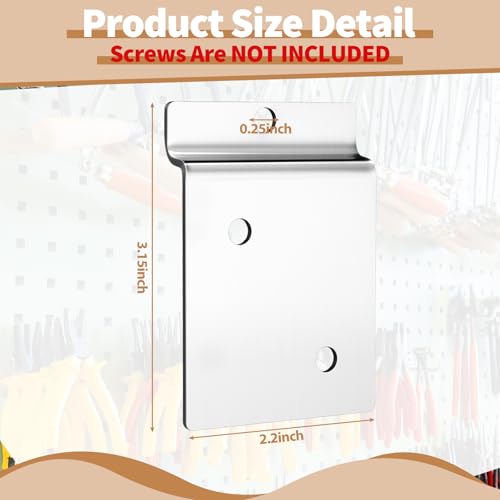
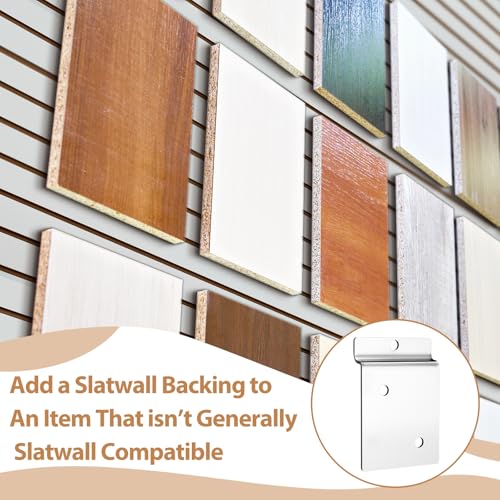
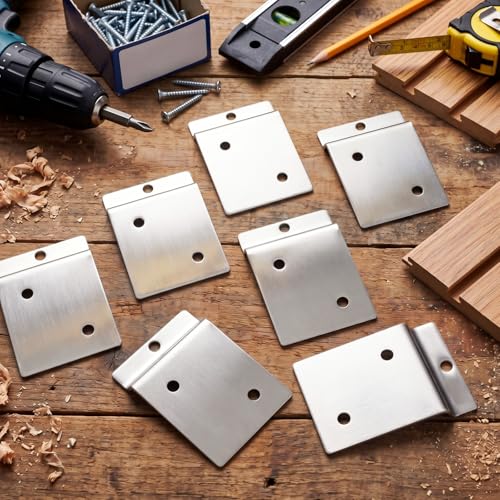
Prime Otoolling 20-Pack Slatwall Metal Backplate Adapter




As an Amazon Associate we earn from qualifying purchases. Product prices and availability are accurate as of the date/time indicated.
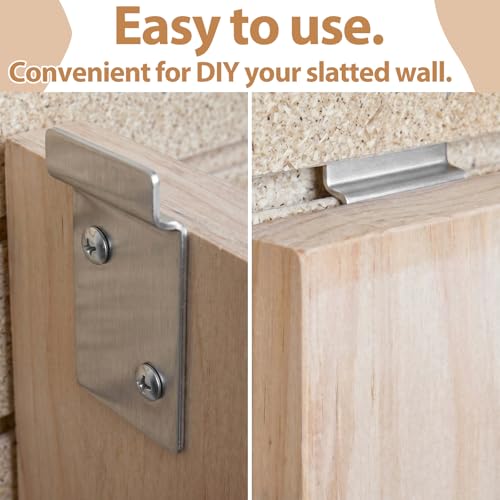
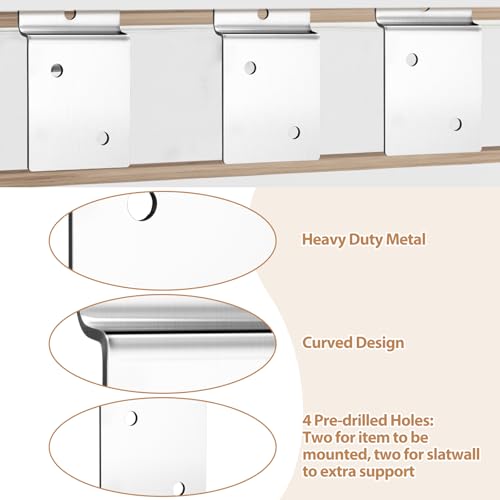
If you would rather replace than keep troubleshooting, one practical option is the 20 Pack Slatwall Metal Backplate Adapter Steel, which provides a steel backplate with pre drilled holes to add slatwall compatibility to items that did not come with it. For shelving that needs a more locked in setup, screw mount bracket options can also help create a more rigid connection between the shelf and the slat.
When to Skip This and Call a Professional
This type of DIY stabilizing is not ideal for walls with signs of structural damage, such as large cracks in masonry, water damage, mold behind panels, or studs that feel soft or crumbly. It is also not a good fit if the slatwall is holding very heavy or overhead loads and the mounting has clearly pulled away from the wall. In those cases skip this and have a qualified contractor assess the wall structure and confirm proper anchoring before reloading the system.
Frequently Asked Questions
Why does my slatwall wobble even though the screws feel tight?
Tight screws do not always mean solid engagement. One common cause is screws that are tight against the panel but not actually biting into a stud, so the panel can still flex. Try confirming stud locations and checking for gaps or shims behind the panel that let it rock even when fasteners feel snug.
Can I fix a wobbly slatwall without removing everything?
You can often reduce wobble by working in sections. Try clearing one panel run at a time, checking and tightening those fasteners, and reseating the accessories on that run before moving to the next. This keeps part of your storage usable while you isolate the loosest area.
How do I stop slatwall hooks from falling out and making the wall feel loose?
Make sure the hook profile matches your panel and that it is fully dropped and locked into the slat, not just resting on the lip. Try redistributing weight so no single hook carries a concentrated load, and consider screw down brackets or adapter plates for shelves and custom items that need a more secure connection.
Browse more picks in our Slatwall System category, or see our related guide on NewAge Slatwall Alternatives.




Write Your Review
No reviews yet. Be the first to share your experience!