

Quick Answer
For a metal garage shelf rusting solution, start by removing everything from the shelf, brushing off loose rust, cleaning with soapy water, drying it completely, then sealing bare metal with a rust-inhibiting primer or paint and controlling garage moisture. Most surface rust comes from condensation, chipped coating, and poor airflow, so drying and sealing the metal plus improving ventilation will often slow or stop it from spreading.
Why This Happens
Garages trap humidity, and that is the most common reason shelves rust. Concrete floors sweat, doors open to damp air, and temperature swings create condensation on cold steel. If the air stays damp and the shelves never fully dry, even a light powder coating can start to bubble and rust underneath.
Coating damage makes it worse. Dragging bins, overloading shelves, or scraping the uprights with tools chips the paint and exposes bare steel. Once the protective layer is broken at a corner, weld, or bolt hole, moisture and oxygen reach the metal and rust starts at that weak spot and spreads under the surrounding finish.
Chemicals and salt accelerate the process. Road salt from your car, fertilizer, pool chemicals, or coastal air leave corrosive residue on shelves, especially near the floor. If you store those items on low shelves without trays or you never wipe up spills, the residue holds moisture against the metal for days.
Poor placement and airflow also contribute. Shelves pushed tight against a damp concrete wall or sitting directly on the floor without feet stay wet longer. Limited air circulation keeps the back and bottom surfaces damp. For ideas on placement and spacing that help with airflow, see how to organize boltless shelving on concrete walls.
Fixes to Try
Try these steps in order, starting with the easiest and safest. Work in a ventilated area, wear gloves and eye protection, and check the manufacturer’s guidance for your shelving before you start.
- Unload, clean, and inspect. Remove everything, then wash the shelf with warm soapy water and a non-abrasive pad to remove dirt and salt. Dry it thoroughly with towels and let it air dry completely, then check where rust is light surface discoloration versus bubbling, flaking, or pitting.
- Remove loose rust gently. For light surface rust, try a stiff nylon brush, fine sandpaper, or a wire brush, working only on the rusted area. Wipe away dust with a damp cloth, then dry again. Avoid grinding deeply into solid metal, as you can thin the shelf and create more bare spots.
- Dry completely and seal bare metal. Once the area is clean and fully dry, apply a rust-inhibiting primer followed by paint or an enamel made for metal, following the product’s ventilation and drying instructions. Pay attention to welds, bolt holes, and undersides where moisture collects, and allow coatings to cure before reloading.
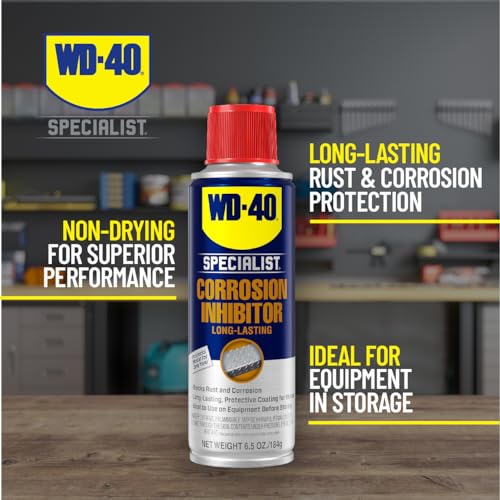
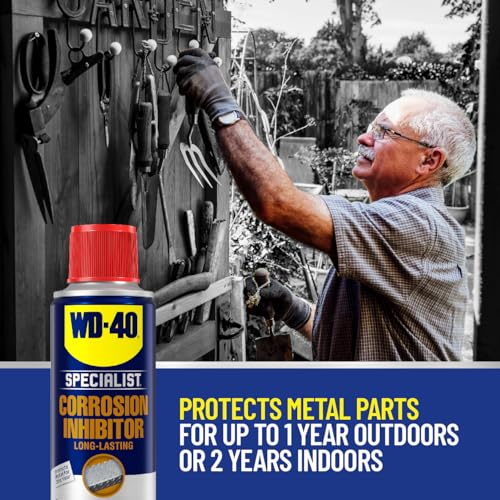
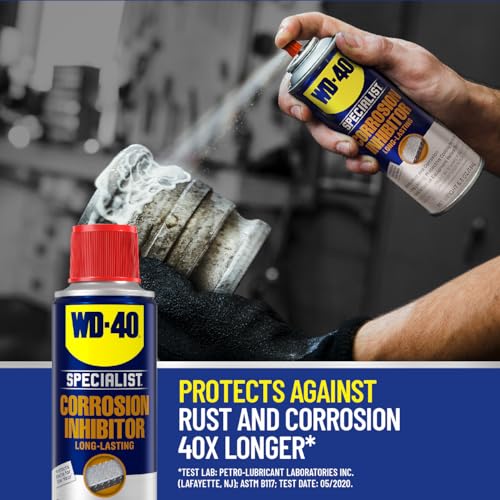
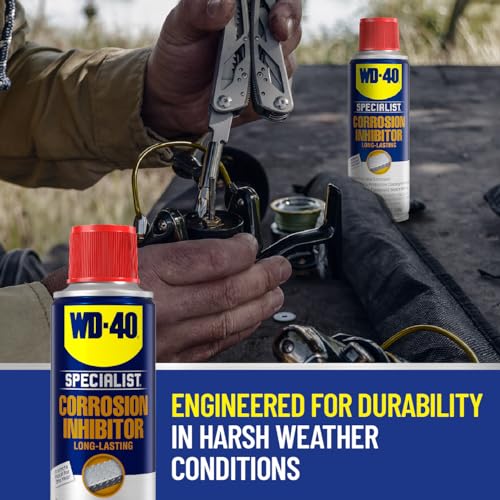
- Protect joints and hardware. After paint has cured, consider a thin corrosion inhibitor on hidden joints, fasteners, and feet where paint may not reach. Keep the coating light and even, avoid drips, and keep it off the shelf deck where bins will sit. Reapply as part of seasonal maintenance if your garage is humid.
- Control moisture and contact. Add airflow around the unit, keep shelves a few inches off the wall and off bare concrete if possible, and use plastic trays for chemicals or salty items. If your unit wobbles after cleaning, which can chip new coatings, see shelving unit Won’t stay Level? 5 fixes before you give up before reloading heavy bins.
When to Consider Replacing It
If rust has pitted deeply, flaked through the steel, or weakened a leg, shelf deck, or weld, repair is often not worth the effort and the structure may no longer hold its rated load safely. Surface discoloration you can sand smooth is one thing, but crumbling edges, holes, or shelves that bend under normal weight suggest the metal has lost integrity. If you would rather replace the unit than keep sanding and repainting, one practical option for future protection is a dedicated inhibitor for bare metal surfaces.
This article contains affiliate links. If you buy through one of our links, TheGarageCrafted may earn a commission at no extra cost to you. Commissions never influence which products we recommend or how we rank them. Read our Affiliate Disclosure for details.

Prime WD-40 Specialist Corrosion Inhibitor Spray 6.5 oz


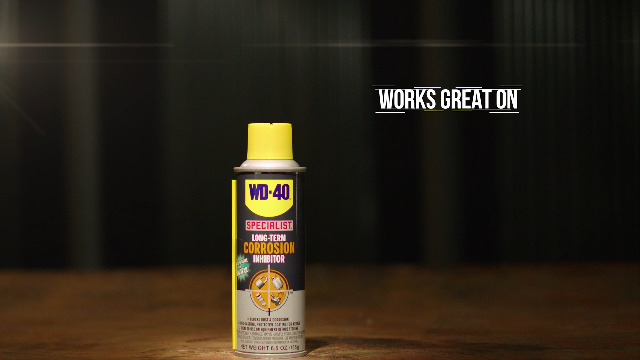
As an Amazon Associate we earn from qualifying purchases. Product prices and availability are accurate as of the date/time indicated.
When comparing replacements, look for thicker steel, a durable powder coat, and adjustable feet that keep the frame off damp floors. You can compare common boltless options in HOMEDANT black 47.7″ deep 5 tier storage shelves vs heavy duty garage shelving 36″ W x 16″ D x 72″ H to find a size and style that fits your space and load needs.
When to Skip This and Call a Professional
This type of cleaning and repainting is not ideal for shelves that are heavily loaded, very tall, or already showing structural damage, and it is not a good fit if the unit is anchored to the wall or ceiling and the anchors are failing. If a tall rack is leaning, swaying, or at risk of tipping, unload it, keep people clear, and follow the manufacturer’s weight capacity and wall-anchoring instructions to prevent tip-over. For any overhead or wall-mounted system where hardware has pulled out of studs or concrete, skip this DIY repair and consult a qualified installer or contractor rather than trying a workaround.
Frequently Asked Questions
Can I paint over rust on my garage shelves without sanding?
Light surface rust should be brushed and cleaned first so primer can bond. Painting directly over loose, flaky rust often traps moisture underneath and the rust continues to spread, causing the new paint to bubble and peel. Try to remove loose material, clean, and dry completely before priming.
Why do my garage shelves keep rusting even after I clean them?
One common cause is ongoing humidity or condensation that was not addressed after cleaning. Check for poor ventilation, shelves sitting directly on damp concrete, or salty residue that was not fully washed off. Improving airflow, keeping the unit off the floor, and sealing bare metal can help slow recurrence.
Is surface rust on a metal shelf dangerous?
Light surface discoloration is often cosmetic if the steel is still solid and smooth after cleaning. It becomes a concern when you see deep pitting, holes, flaking that crumbles, or bending under normal loads, which can indicate weakened structure. If you notice those signs, reduce the load and consider replacing the unit.
Browse more picks in our Heavy Duty Shelving & Racking category, or see our related guide on Boltless Shelving vs Storage Rack Compared.

Write Your Review
No reviews yet. Be the first to share your experience!