
Quick Answer
If pegboard hooks too loose to hold heavier tools are sagging, tilting forward, or popping out, the most common cause is a mismatch between light-duty single-prong hooks and the weight and leverage of the tool, plus no locking clip to keep the hook seated. Try adding pegboard hook locks, switching to a thicker double-arm hook in the correct 1/4 inch hole size, and moving heavier items lower on the board where the board is best supported.
Why This Happens
Most standard pegboard hooks are made from thin wire designed for light hand tools. When you hang a heavier item like a drill, circular saw, or large hammer, the weight creates leverage that pulls the top prong forward and widens the hole over time. That leverage is why a hook that feels fine with pliers can suddenly droop or rotate when you add a heavier tool, even if the hook itself has not bent yet.
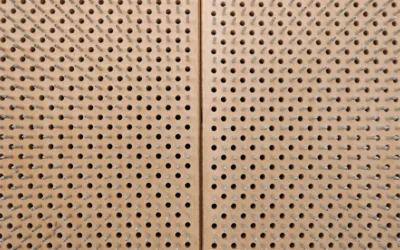
Hole size and board thickness also matter a lot. Traditional pegboard uses 1/4 inch holes on 1 inch centers, but many boards vary slightly in thickness and hole diameter, and some hooks are made for slightly larger or smaller holes. If the hook shank is thinner than the hole, it will rock and rattle no matter how carefully you seat it. You can learn more about compatible setups in this guide to best pegboard hooks for workshop.
Missing retention is another common culprit. Single-prong hooks rely only on gravity and friction, so any bump when you grab a neighboring tool can lift the hook out of its holes. Without a small plastic or silicone lock, rubber retainer, or second prong to anchor it, the hook can walk out gradually with vibration and daily use. Humidity and board wear make this worse, as fiberboard pegboard softens and holes elongate around frequently moved hooks.
Finally, placement affects stability. Heavier tools hung high on the board or far out from the wall create more torque on the hook and the board itself. If the pegboard is only secured at the corners or is flexing away from the wall, even a sturdy hook will feel loose because the board is moving, not just the hook. Checking how your board is mounted is just as important as checking the hooks, as covered in best metal pegboard for workshop.
Fixes to Try
- Confirm hole size and hook diameter. Remove one loose hook and check that it is designed for 1/4 inch pegboard and that the prongs fit snugly without side-to-side play. If the shank moves freely in the hole, try a thicker diameter hook or a double-arm style that spreads the load across two holes.
- Add peg locks or retainers. Small silicone or plastic locks clip over the hook prongs behind the board to prevent lift-out and rotation. They are inexpensive, install without tools, and often solve wobble without replacing the entire hook set.
- Use double hooks or pair two single hooks for heavy items. For drills, sanders, or large wrenches, place two hooks side by side or use a dedicated double-arm utility hook so the weight is shared. This reduces tilt and helps keep the tool level instead of cantilevering on one point.
- Reposition heavy tools lower and closer to a stud. Move your heaviest items to the lower third of the board where flex is lowest, and make sure the pegboard itself is secured with spacers and screws into studs or solid blocking. A board that is firmly mounted will make every hook feel more solid.
- Inspect the board for wear and reinforce if needed. If holes are visibly enlarged, cracked, or soft, rotate hooks to fresh holes and avoid reusing the damaged area for heavy loads. For fiberboard that is crumbling, consider adding a plywood backer or switching that section to metal pegboard for better hole retention.
When to Consider Replacing It
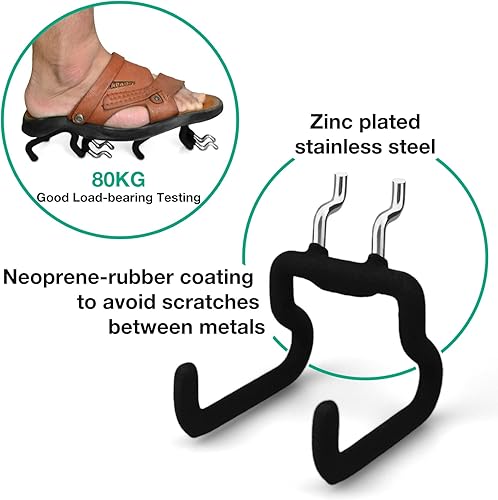
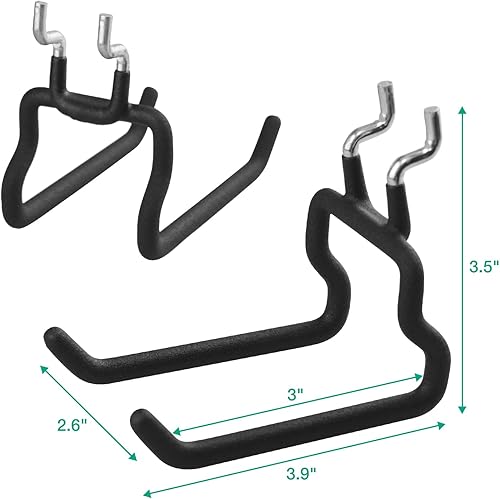
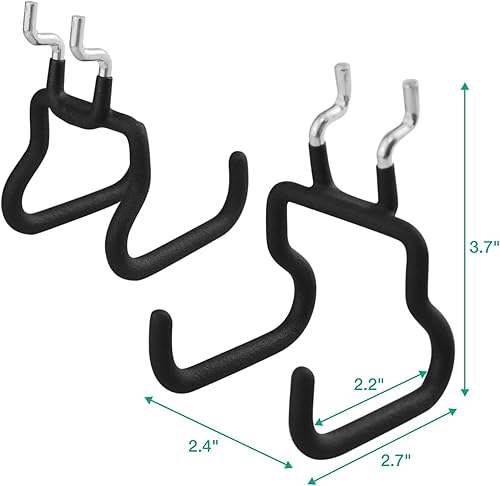
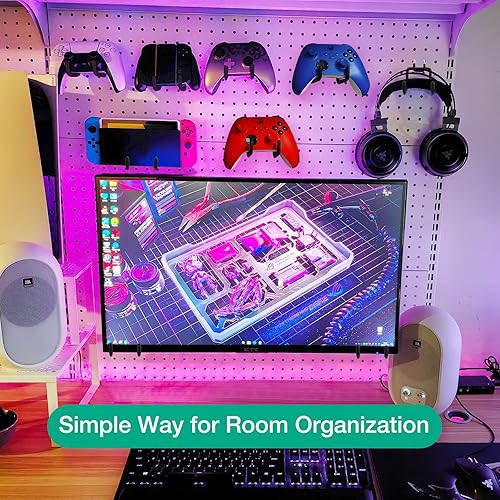
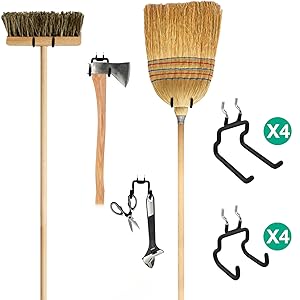
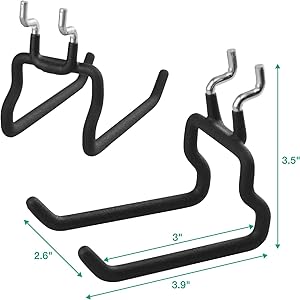
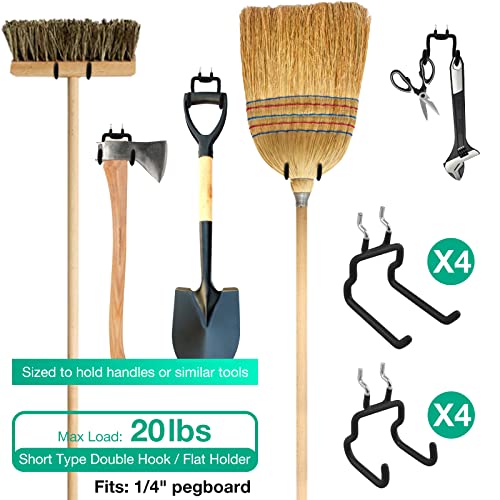
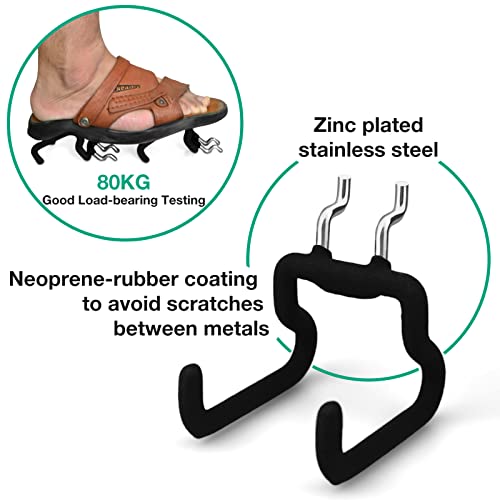
If hooks are bent, the zinc coating is flaking, the rubber tips are missing, or the prongs no longer stay seated even with locks, repair stops being worth the effort. At that point a heavier duty utility hook with a thicker shank, anti-slip coating, and a design that stays firm without a separate lock can save you repeated adjustments, especially for frequently used heavy tools. If you would rather replace than keep troubleshooting, one practical option to evaluate is the Pegboard Hooks, 8 Pack Peg Board Tool Utility.
This article contains affiliate links. If you buy through one of our links, TheGarageCrafted may earn a commission at no extra cost to you. Commissions never influence which products we recommend or how we rank them. Read our Affiliate Disclosure for details.
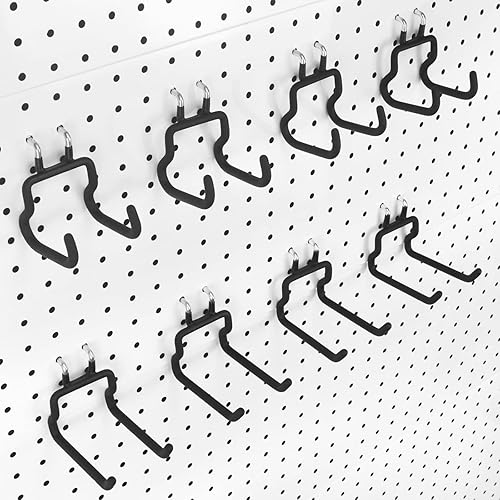
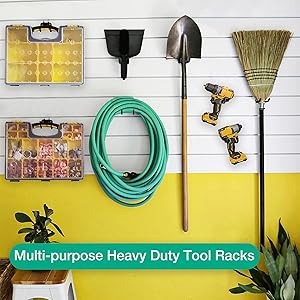
Prime GCORE Pegboard Hooks 8-Pack







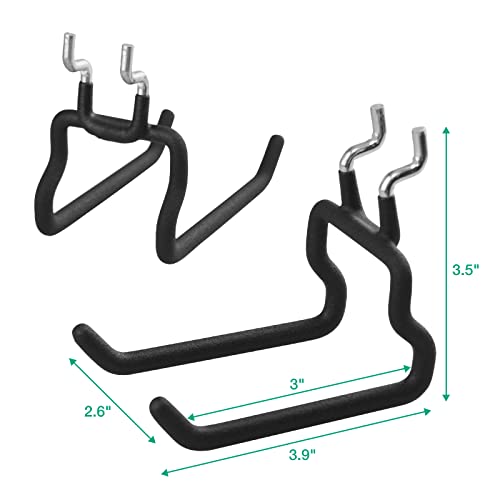
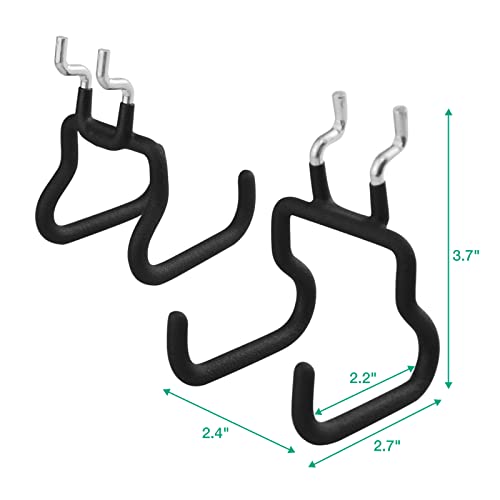

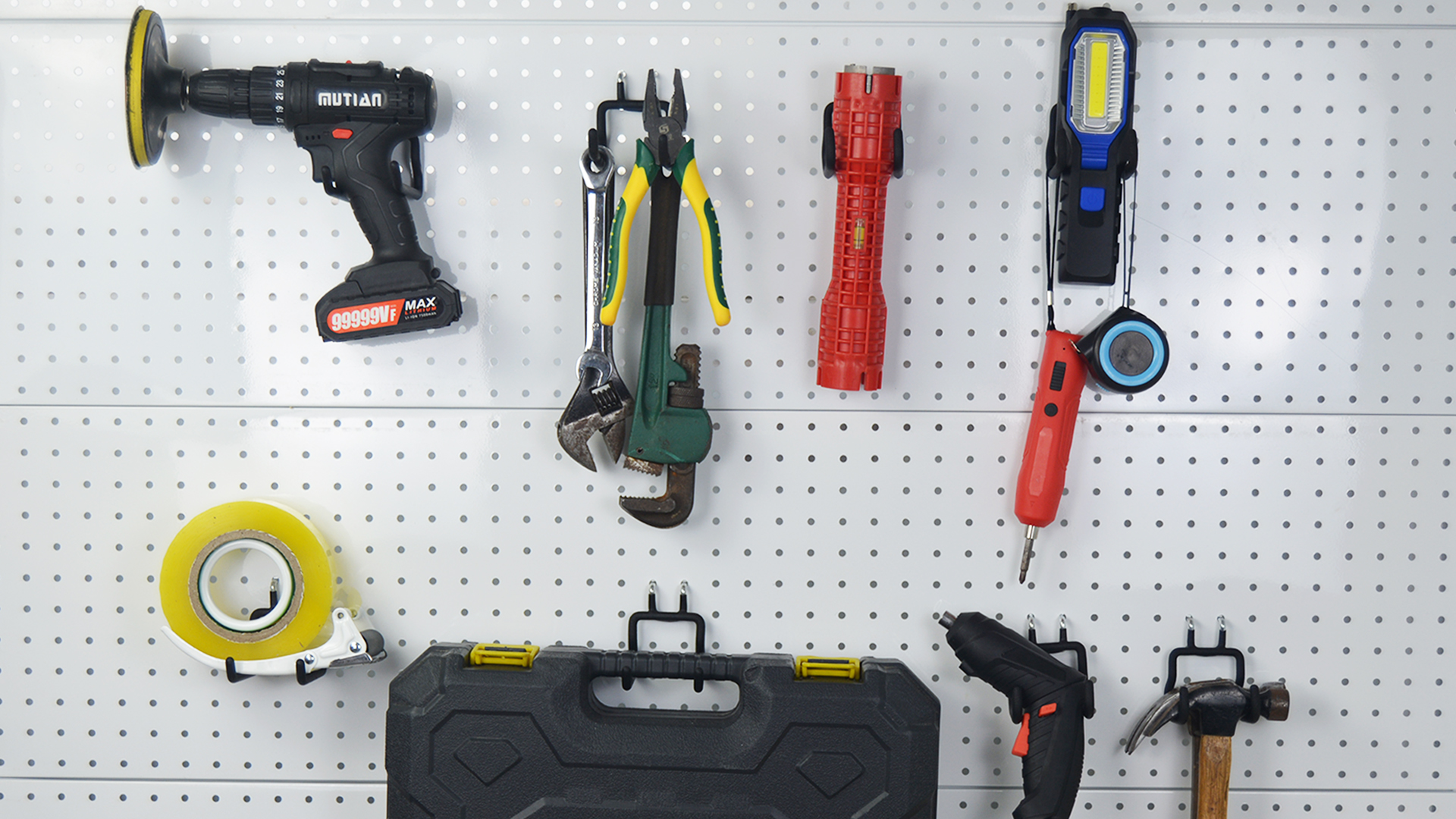
As an Amazon Associate we earn from qualifying purchases. Product prices and availability are accurate as of the date/time indicated.
Look for features like a proper 1/4 inch fit, double support where possible, and a corrosion resistant finish if your garage sees humidity. You can also explore more options in best metal pegboard for basement storage if your current board is the weak link rather than the hooks themselves.
When to Skip This and Call a Professional
These fixes are for standard wall-mounted pegboard organizing hand tools and light power tools. This approach is not ideal for overhead or ceiling-mounted storage, heavily loaded shelving units, or any setup where a falling tool could cause injury or damage. If your board is pulling away from the wall, anchors are failing, or you need to hang very heavy or awkward items overhead, skip this DIY adjustment and follow the manufacturer’s weight capacity and anchoring instructions or consult a qualified installer to secure the system properly.
Frequently Asked Questions
Why do my pegboard hooks fall out when I pull one tool off?
One common cause is that single-prong hooks are only held by gravity, so lifting a tool can lift the hook too. Adding peg locks or switching to a double-prong hook that seats more securely can reduce lift-out, and spacing tools so you do not bump neighboring hooks also helps.
Can I make regular pegboard hold heavier tools like drills and circular saws?
You can improve stability by using thicker double-arm hooks, pairing two hooks to share the load, and mounting heavy items low on a well-anchored board. If holes are already enlarged or the board flexes, moving those heavier tools to a metal pegboard or a dedicated wall mount is often more reliable than adding more hooks to a worn fiberboard panel.
Should I switch to metal pegboard if my hooks keep sagging?
Metal pegboard is not required for every setup, but it is a good fit if you notice holes elongating, boards warping with humidity, or hooks tilting even after adding locks. Metal panels hold hole shape better under heavier loads and work well with heavier duty hooks, while still using the same 1/4 inch spacing most accessories expect.
Browse more picks in our Pegboard & Metal Pegboard category, or see our related guide on Best Pegboard Hooks for Workshop in 2026: 10 Picks for Organized Walls.




Write Your Review
No reviews yet. Be the first to share your experience!