

Quick Answer
If your PVC slatwall panel kit keeps falling, the most common cause is screws that missed the studs or anchors that cannot hold the load in drywall alone. PVC panels are light, but once you add hooks, tools, and totes, the leverage pulls weak anchors right out. Check that every panel is screwed into wood studs or into masonry with the right anchors, reseat the interlocking edges, and reload gradually. That single correction solves most falling panel problems without replacing the whole system.
Why This Happens
Most PVC slatwall kits use interlocking 1 ft tall panels that must be screwed through a top nailing flange into solid backing. If you only hit drywall, the weight of the panels plus accessories creates a peeling force that slowly works screws loose. Even if it feels solid at first, vibration from opening doors or loading hooks can widen the holes until the whole run drops.
Overtightening is another quiet culprit, especially with PVC. When you drive screws too tight before the panels are fully interlocked, you can crack or deform the flange and the sealing strip cannot seat properly. That leaves a gap where panels flex and pull away under load. If you have seen screws stripping or spinning during install, that flange damage is often why the kit will not stay mounted.
Misaligned interlocks also cause falls. Each panel has a tongue and groove that must fully engage before you tighten. If one panel is even slightly out of level, the next panels will not lock, and the bottom edge can bow out from the wall. Add weight, and the unseated section acts like a lever that pries the screws out.
Finally, accessory overload and improper hook seating add stress. Standard slatwall uses 3 inch on center grooves, and hooks need to be fully dropped and locked into the channel. Hooks that are only half engaged or overloaded totes that exceed the manufacturer’s guidance concentrate force on one groove and can pull a panel section down. Spreading weight across more studs and more hooks reduces that point load.
Fixes to Try
Try these steps in order, starting with the easiest checks before you drill new holes. Work with a helper to hold panels level while you fasten, and keep the wall clear until the mounting is confirmed secure.
- Unload everything and inspect the wall. Remove all hooks and tools, then check each panel for cracked flanges, enlarged screw holes, and gaps where the interlocks have separated so you can see what failed first.
- Find solid backing and mark it. Use a stud finder to locate wood studs or confirm masonry, mark every stud line with painter’s tape, and plan to put at least one screw per stud per panel, not just at the ends.
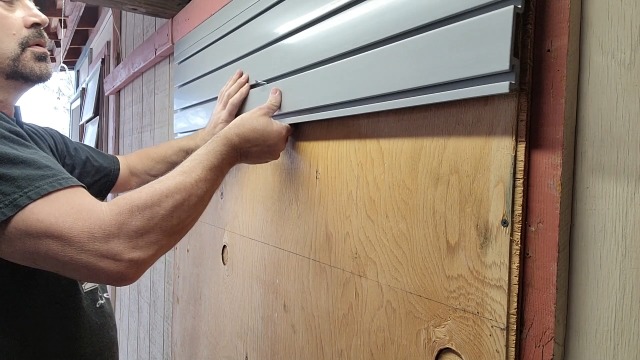
- Reseat and level the panels. Starting at the bottom, fully engage the tongue and groove along the entire length, use a level to keep each row true, and hold the panel flat to the wall before driving any screws.
- Reinstall with correct anchors and proper screw tension. Drive screws into studs or use masonry anchors rated for wall storage, snug them until the panel is flat without deforming the PVC, then install the sealing strip and tighten evenly. For heavy loads, choose hooks rated for heavy totes that distribute weight across two grooves.
- Reload gradually and verify groove engagement. Rehang hooks by fully seating them into the 3 inch grooves and locking them, load lighter items first, and confirm that panels stay flat and do not flex away from the wall before adding heavier tools.
When to Consider Replacing It
Repair makes sense if the flanges are intact and you can hit solid studs, but if the PVC is cracked at multiple screw points, the interlocks are warped, or holes are enlarged so screws will not bite even with larger anchors, replacement is often faster than patching. If you would rather replace it than keep troubleshooting, a kit with reinforced panels and a proper flange design can save time and give you a fresh, flat mounting surface. Consider this option if your current kit is damaged:
This article contains affiliate links. If you buy through one of our links, TheGarageCrafted may earn a commission at no extra cost to you. Commissions never influence which products we recommend or how we rank them. Read our Affiliate Disclosure for details.

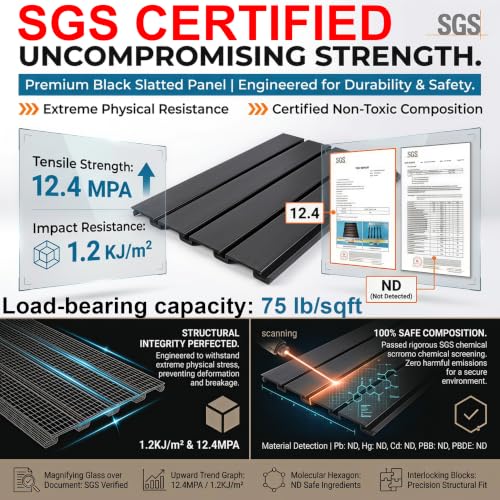
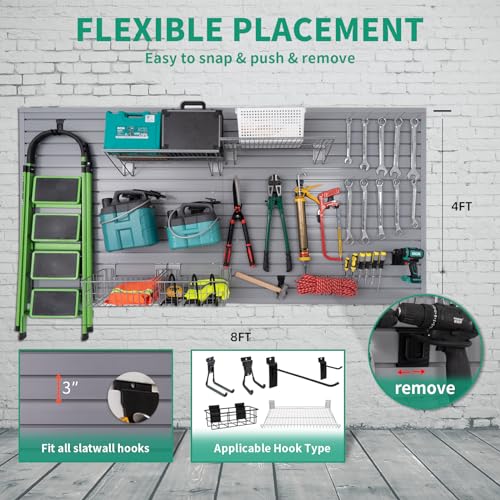
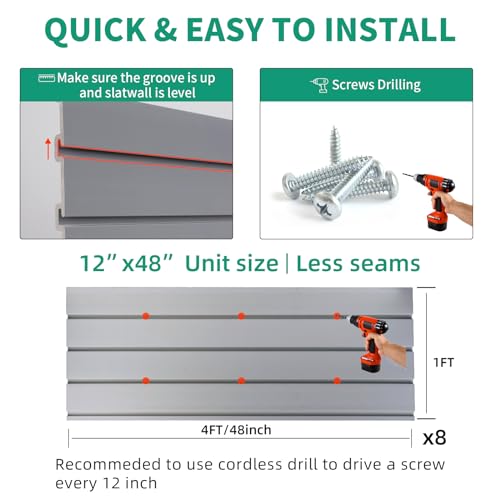
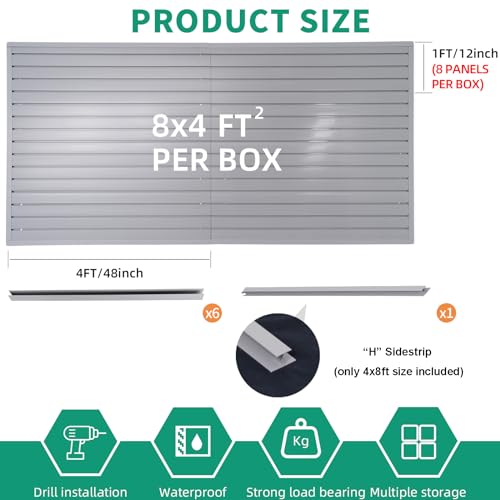
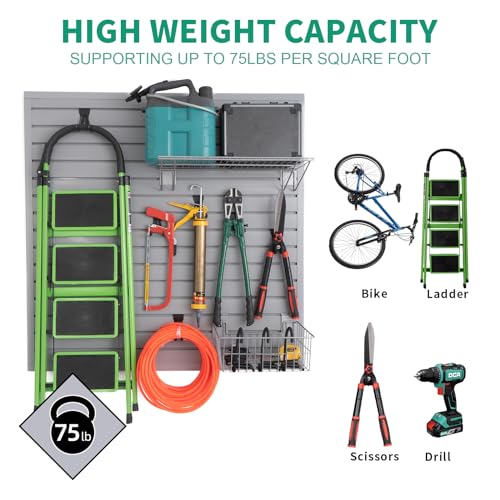
Prime FRAYSCENT PVC Slatwall Panels 4x8 ft Garage Wall


As an Amazon Associate we earn from qualifying purchases. Product prices and availability are accurate as of the date/time indicated.
When to Skip This and Call a Professional
This DIY approach is not ideal for walls with hidden electrical, plumbing, or soft, crumbling drywall that will not hold anchors, and it is not recommended for heavily loaded panels that will hold bikes, ladders, or other overhead weight above your head. If the wall structure is uncertain, the load will be near the manufacturer’s limit, or panels keep pulling out even after proper stud anchoring, skip this and consult a qualified installer and follow the manufacturer’s weight capacity and wall anchoring instructions closely. Do not use drywall-only anchors as a workaround for a structural mounting failure.
Frequently Asked Questions
Why does my PVC slatwall panel kit keep falling even with drywall anchors?
Most plastic drywall anchors are not rated for the outward pull of loaded slatwall grooves. They may feel firm at first, then slowly loosen as weight and temperature changes flex the PVC. Anchoring into wood studs or solid masonry and spreading screws across every stud usually keeps the run secure.
Can I mount PVC slatwall directly to drywall without hitting studs?
It is not a good fit for anything beyond very light display items. Drywall alone can crumble around screws and anchors when hooks add leverage. For tool storage, always fasten through the panel flange into studs or use masonry anchors, and check the manufacturer’s guidance for spacing and load limits.
How do I stop slatwall hooks from pulling panels off the wall?
Make sure hooks are fully seated and locked into the groove, not just resting on the lip, and spread heavy items across several hooks and panels. If you are comparing systems, see alternatives to NewAge slatwall panels for small spaces for ideas on panel thickness and hook design. Keeping weight centered over studs helps prevent the peeling force that drags panels down.
Browse more picks in our Slatwall System category, or see our related guide on NewAge Slatwall Alternatives.






Write Your Review
No reviews yet. Be the first to share your experience!