

Quick Answer
If your PVC slatwall panel kit not holding weight is sagging, bowing, or letting hooks slip out, the most common cause is that the panels are anchored only to drywall instead of studs, or too much weight is concentrated on one hook or one panel. Unload the wall, confirm every panel is secured into solid studs or proper masonry anchors, spread heavy items across multiple slots, and verify your hooks fully lock into the 3-inch groove before you reload.
Why This Happens
The leading reason PVC slatwall loses holding strength is missed studs. Drywall alone cannot support leveraged loads from hooks, baskets, or shelves, so screws and plastic anchors slowly pull out and the panel flexes away from the wall. Even if it feels tight at first, weight that hangs outward creates leverage that magnifies the force on the top screws. If you are seeing screws stripping during install, that is often an early sign the fastener has no solid backing.
Overloading or poor weight distribution is another frequent culprit. PVC slatwall is rated per square foot, not per hook, and stacking heavy power tools, totes, or bikes on a single bracket concentrates all that force on one small section of groove. Generic hooks that do not match the panel groove depth or T-channel can also sit shallow, so they tilt forward and pry the slat open instead of locking in. For heavy loads, using hooks designed for heavy totes that fully engage the slot makes a noticeable difference.
Installation details matter more than most people expect. Over-tightening screws can crack or deform the PVC around the mounting hole, which reduces grip and lets the panel wobble. Panels that are not level, not seated tightly together, or installed over uneven drywall can leave gaps behind the board, so the slat flexes when you add weight instead of transferring it to the wall.
Wall conditions also play a role. Hollow drywall, crumbling older plaster, or masonry without the correct anchors will not hold reliably, and humidity or temperature swings in a garage can cause slight expansion that loosens fasteners over time. If your layout is in a tight or low area, reviewing low-profile options for low ceilings can help you plan a layout that keeps heavy items lower and better supported.
Fixes to Try
- Unload the wall completely and inspect every mounting point. Look for cracked PVC around screws, loose anchors that spin, or panels that move when you press on them, and note which sections feel hollow behind the board.
- Locate studs with a stud finder and re-anchor panels into solid framing. Use the screws and anchors supplied for your wall type, drive them snug without crushing the PVC, and add fasteners at the manufacturer recommended spacing so the load spreads across multiple studs.
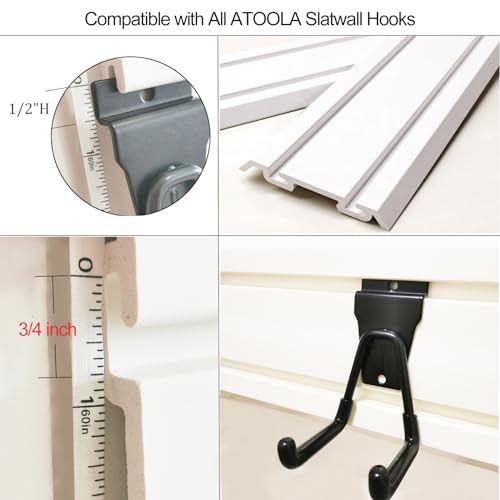
- Check hook and accessory fit. Remove a hook, confirm it matches the standard 3-inch groove, then reseat it so the upper lip fully hooks over the slat and the lower tab locks in. You should feel a positive click or resistance, not a loose wobble.
- Redistribute weight evenly across the wall. Move the heaviest items to the lowest, most solidly anchored panels, use two hooks or a shelf for long tools, and avoid hanging everything on one panel or one groove.
- Reinforce and re-level if needed. Shim behind panels where the wall is uneven, ensure interlocking edges are fully seated, and follow the manufacturer guidance for tightening sequence so panels sit flat before final tightening.
When to Consider Replacing It
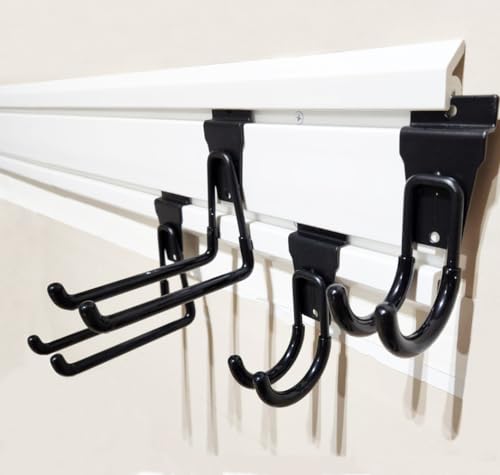
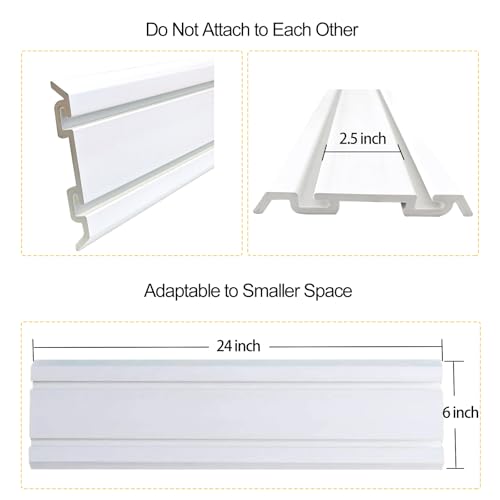
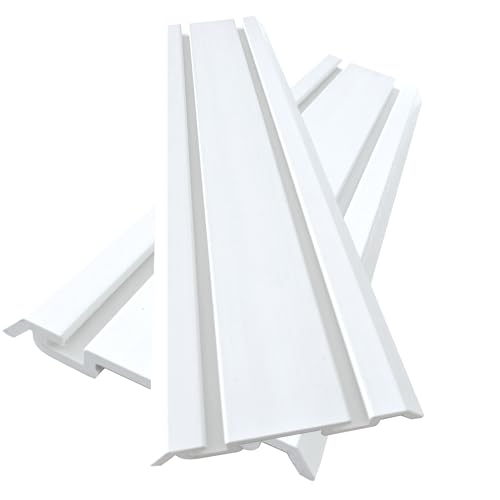
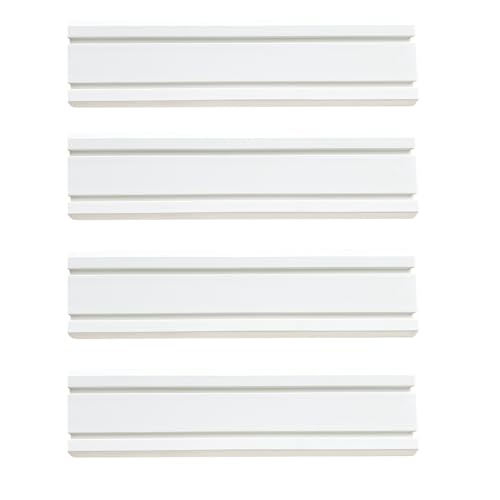
If the grooves are cracked, stripped, or permanently bowed, if anchors have enlarged the mounting holes so screws no longer bite, or if the panel has warped and will not sit flat even after re-anchoring, repair may not restore holding strength. At that point it is often more reliable to replace the damaged section than to keep adding fasteners to compromised PVC. If you would rather replace it than keep troubleshooting, one practical option is the Slatwall Panels 6″ x 24″, 4-Pack Slatwall Board, which is designed for small spaces and mounts over drywall or bare studs with included hardware.
This article contains affiliate links. If you buy through one of our links, TheGarageCrafted may earn a commission at no extra cost to you. Commissions never influence which products we recommend or how we rank them. Read our Affiliate Disclosure for details.

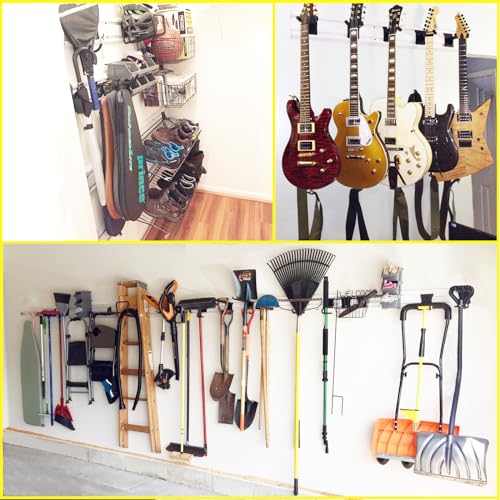
Prime AToola 4-Pack PVC Slatwall Panels 24 x 6 Inch


As an Amazon Associate we earn from qualifying purchases. Product prices and availability are accurate as of the date/time indicated.
When to Skip This and Call a Professional
This type of DIY re-anchoring is not ideal for walls with hidden electrical wiring, plumbing, or structural damage, and it is not recommended for situations where a heavily loaded panel has already pulled large sections of drywall away or where you are unsure about masonry anchoring. Follow the manufacturer weight capacity and wall anchoring instructions closely, do not exceed the rated load per square foot, and if the wall is damaged, the load is very heavy, or you need to locate studs near electrical, skip this and consult a qualified contractor or licensed professional.
Frequently Asked Questions
Why is my PVC slatwall panel kit not holding weight even with light tools?
Light tools can still cause sag if hooks are not fully seated or if the panel is only fastened to drywall. Try removing the hooks, confirming they match the groove size, and verifying each panel is screwed into studs or proper anchors, then reload gradually to see if the hold improves.
Can I fix a PVC slatwall that is pulling away from the drywall?
Often you can, by unloading the wall, locating studs, and re-securing the panel with appropriate screws and anchors for your wall type. If the drywall around the anchors is crumbled or the PVC mounting holes are enlarged or cracked, that section may need reinforcement or replacement to hold securely again.
How much weight should I put on one hook or one panel?
Avoid concentrating load on a single point and always check the manufacturer listed capacity per square foot for your specific kit in 2026. As a general approach, spread heavy items across two hooks or a shelf, keep the heaviest gear low and over studs, and reduce load if you notice flexing, tilting, or gaps forming behind the panel.
Browse more picks in our Slatwall System category, or see our related guide on NewAge Slatwall Alternatives.






Write Your Review
No reviews yet. Be the first to share your experience!