

Quick Answer
If your slatwall garage system is rusting, the most common cause is moisture sitting on exposed metal where the coating was scratched, drilled, or chipped during install. The fastest practical slatwall garage system rusting solution is to remove loose rust, neutralize the remaining rust so it can be sealed, and then apply a protective topcoat or inhibitor to block future moisture.
Why This Happens
Garages trap humidity, condensation, and road salt, and metal slatwall panels and accessories are often the first place it shows. When warm air hits cold metal or when wet tools are hung to dry, water collects in the horizontal grooves and around hooks and stays there, which gives rust a place to start.
Installation damage is another common trigger. Over-tightened screws, stripped holes, and scratched powder coating expose bare steel that was never meant to be open to air. If you had trouble during mounting, see slatwall panel screws stripping during Install? 5 fixes before you give up for ways to reduce that damage and keep fasteners sealed.
Everyday use adds more wear. Sliding heavy totes, bins, and hooks across the panels can scrape the finish, and many standard hooks are not fully coated on the back where they contact the slat. Once the thin coating is compromised, even normal garage humidity can start light surface rust that spreads under the surrounding paint.
Poor airflow and storage habits make it worse. Storing damp gear directly on the wall, stacking wet items against panels, or having no ventilation near the slatwall keeps metal damp for hours. Coastal air, de-icing salts tracked in on vehicles, and unsealed concrete that wicks moisture can also accelerate corrosion on lower panels and fasteners.
Fixes to Try
Try these steps in order, starting with the least invasive. Work in a well ventilated area, wear gloves and eye protection, and check the product instructions for the coating or inhibitor you choose.
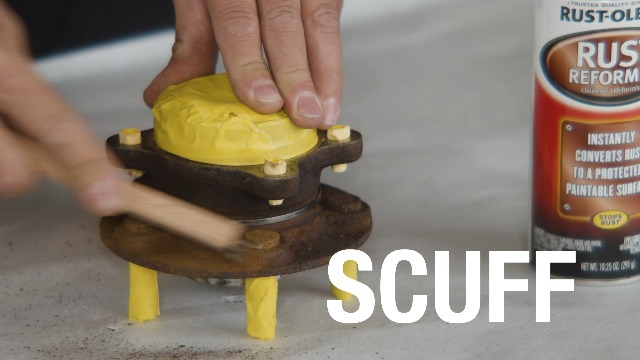
- Remove loose rust and clean the area thoroughly. Use a stiff nylon brush or fine scuff pad to knock off flaking rust and debris, then wipe with a clean cloth and a mild degreaser and let the surface dry completely. Avoid aggressive grinding that can cut through more coating.
- Dry the wall and address the moisture source. Try running a fan or dehumidifier, move wet items away from the slatwall, and check for leaks or condensation above the panels. Rust often returns quickly if the metal stays damp.
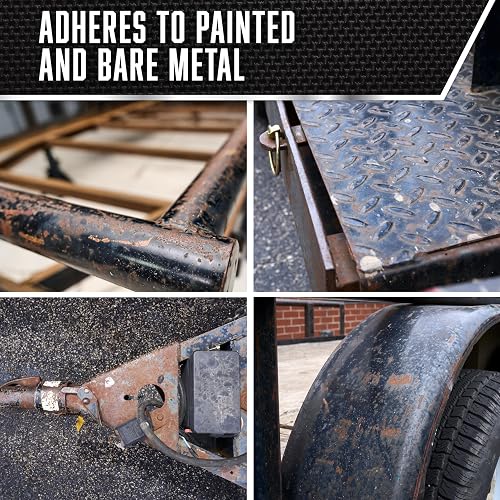
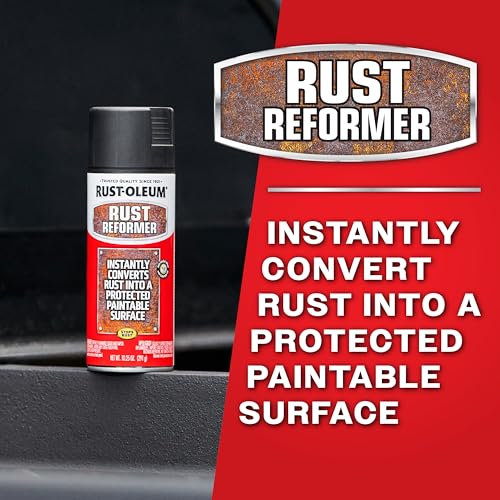
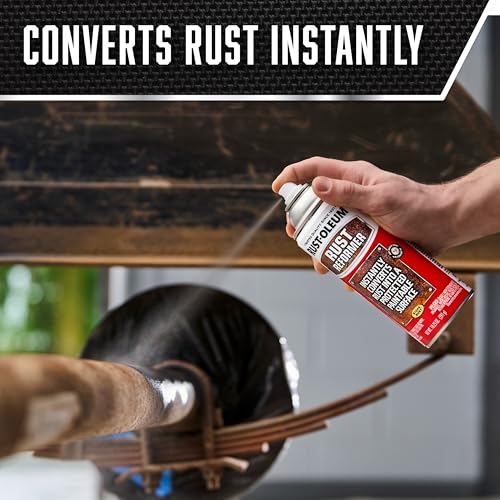
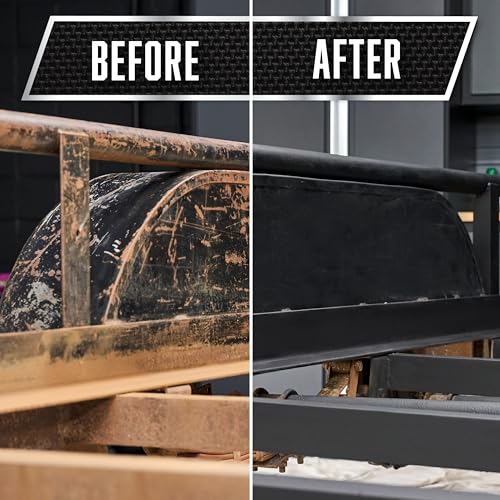
- Neutralize remaining rust with a converter rather than sanding to bare metal. A rust reformer can chemically convert remaining rust into a flat black, paintable surface that helps prevent future rust and creates a bond for a topcoat. This can save time when you cannot sand every groove clean.
- Seal and protect the repaired area. After the converter has dried tack free and had time to fully set before topcoating, try applying a compatible topcoat or a clear corrosion inhibitor to create a moisture barrier. Pay special attention to screw heads, panel edges, and hook contact points where water likes to sit.
- Touch up accessories and improve long term protection. Lightly clean hooks and brackets, rehang them only when fully dry, and consider adding a thin protective coating to bare metal hardware. For ideas on hardware that holds up better under load, review best slatwall hooks for heavy totes and avoid dragging heavy totes across the face of the panels.
When to Consider Replacing It
If rust has caused deep pitting, bubbling across large sections, panels that feel soft or warped, or fasteners that no longer hold firmly, patching may not be worth the effort. When the coating is failing broadly or you see rust bleeding from behind the panels, replacing the affected section and sealing the new install properly can be more reliable than repeatedly touching up. If you would rather replace than keep troubleshooting, one practical option is the alternatives to NewAge slatwall panels guide for comparison, or consider a converter product like Rust-Oleum Stops Rust Reformer Black Spray Paint to salvage lightly rusted metal before you decide to swap panels.
This article contains affiliate links. If you buy through one of our links, TheGarageCrafted may earn a commission at no extra cost to you. Commissions never influence which products we recommend or how we rank them. Read our Affiliate Disclosure for details.

Prime Rust-Oleum Stops Rust Reformer Spray




As an Amazon Associate we earn from qualifying purchases. Product prices and availability are accurate as of the date/time indicated.
When to Skip This and Call a Professional
This type of surface rust repair is not ideal for situations involving active water intrusion, rust that appears to come from behind the wall, or panels that are loose, sagging, or pulling away from studs. If you suspect a roof or plumbing leak, widespread corrosion near electrical outlets or garage door hardware, or structural issues with how the slatwall was anchored, skip this DIY approach and have a qualified contractor assess the wall and moisture source before you seal anything in.
Frequently Asked Questions
Can I paint over rust on my slatwall without sanding to bare metal?
You can try, but paint alone often peels if loose rust is still underneath. One common approach is to remove flaking material, use a rust reformer that converts remaining rust into a paintable surface, and then apply a compatible topcoat once the surface has had time to fully set.
Why does my slatwall rust keep coming back after I clean it?
Recurring rust usually means moisture is still present or the bare metal was not sealed after cleaning. Check ventilation, keep wet gear off the wall until dry, and make sure screw holes and chipped edges get a protective coating so humidity cannot reach the exposed steel again.
How do I prevent slatwall hooks and accessories from rusting?
Try keeping hooks clean and dry, avoid scratching them during repositioning, and add a light corrosion inhibitor to bare metal contact points. Storing heavy or damp items in sealed bins and using coated hooks designed for garage use can also help reduce wear that exposes metal to moisture.
Browse more picks in our Slatwall System category, or see our related guide on NewAge Slatwall Alternatives.
Write Your Review
No reviews yet. Be the first to share your experience!