

Quick Answer
If your slatwall garage system won’t stay mounted, the most common cause is screws that missed the studs or anchors that are not rated for the wall type and load. Check that every panel is secured into solid wood studs or proper masonry anchors, use enough screws per panel, and reload gradually. Most sagging, bowing, or pull-away problems come from the anchoring method, not the PVC panels themselves.
Why This Happens
Slatwall spreads weight across a wide surface, but that weight still has to transfer into the structure behind it. When screws go only into drywall, the soft gypsum core cannot grip the threads for long. Under load, the panel slowly works loose, hooks tilt forward, and the top edge pulls away from the wall.
Spacing and screw count also matter more than many people expect. A 4-foot panel held by only two screws at the ends can flex in the middle, especially when heavy tools hang in the center. That flex creates leverage that pries on the fasteners every time you add or remove an item.
Wall material changes the hardware you need, and mismatched hardware is a frequent culprit. Wood studs need wood screws of the right length, drywall without a stud needs heavy duty toggle style anchors, and concrete block or brick needs masonry screws with a correctly sized pilot hole. Using the wrong type for your wall often explains why a system feels solid at first and then fails.
Load placement and installation details add extra stress. Hanging the heaviest items on one end, hanging them far out from the wall on deep hooks, or starting the first row out of level puts uneven force on the top groove. Walls that are wavy or uneven can also keep panels from sitting flat, so they never fully tighten. For ideas on different panel layouts that may suit tricky walls, see 7 alternatives to NewAge slatwall panels for small spaces.
Finally, worn grooves and loose hooks can make a secure panel feel unstable. Standard 3-inch slatwall grooves are designed to work with compatible hooks, but hooks without locking clips can lift out when you remove tools. That movement is sometimes mistaken for the whole panel failing, when the panel itself is still firmly attached.
Fixes to Try
Unload everything first so you can assess the panels without weight pulling on them. Then work through these steps in order, starting with the easiest checks.
- Check for loose or stripped screws without removing the whole run. Gently pull on each panel near the top and bottom to find where movement starts, then snug any backed-out screws. Avoid overtightening, which can strip the hole and reduce holding power.
- Confirm you are hitting studs and add fasteners where needed. Use a stud finder to mark each stud behind the panels, then verify that every 4-foot section has screws driven into at least two studs. Add screws near the top groove where pullout force is highest.
- Replace mismatched anchors with the right type for your wall. For drywall where no stud is available, switch to heavy duty toggle or snap toggle anchors intended for wall storage. For block or brick, drill a proper pilot hole and use masonry screws or sleeves made for that material.
- Re-level and reseat the interlocking panels. Loosen trim strips, make sure the first panel is level, then slide the next panels together so the seams are tight and the grooves align. A level starter row keeps the entire run from leaning and stressing the top fasteners.
- Redistribute weight and secure the hooks. Place heavier items close to stud locations and keep them lower on the wall when possible, and use hooks with locking clips or a small retaining screw if your system supports them. This reduces leverage and stops hooks from lifting the groove when you grab a tool.
After each adjustment, reload a few items at a time and watch for flex or movement before adding more. If screws keep spinning or will not bite, you may be dealing with stripped holes, and this guide on slatwall panel screws stripping during Install? 5 fixes before you give up explains common causes and next steps. For heavy totes and bulky gear, also consider hook choice, as covered in best slatwall hooks for heavy totes.
When to Consider Replacing It
Repair stops making sense when the panels themselves are damaged. Look for cracked screw holes, chipped or spread grooves that no longer hold hooks, or boards that bow even when anchored correctly. Repeated pullouts that have left large, crumbled holes in drywall or chewed up stud wood also suggest a fresh installation will hold better than patching the same spots.
If you would rather replace the system than keep troubleshooting the same section, a modular PVC option with standard 3-inch groove spacing can make reinstallation simpler and let you reposition accessories more flexibly. Install the new panels with stud anchoring from the start, trim to fit outlets or corners, and keep heavy loads centered over solid backing.
This article contains affiliate links. If you buy through one of our links, TheGarageCrafted may earn a commission at no extra cost to you. Commissions never influence which products we recommend or how we rank them. Read our Affiliate Disclosure for details.

Prime automoris PVC Slatwall Panel 4x4 Ft Heavy-Duty


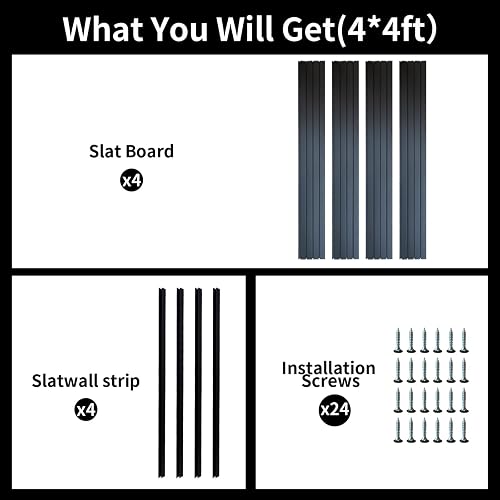


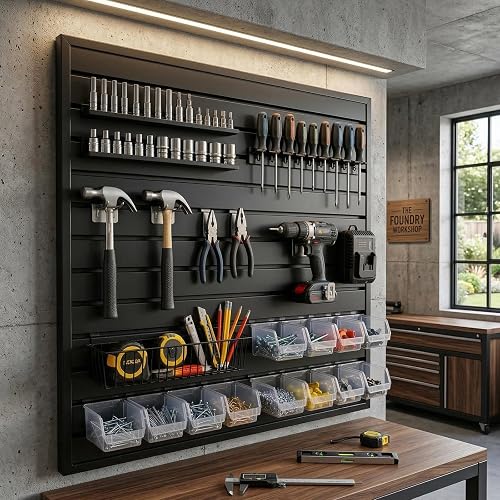


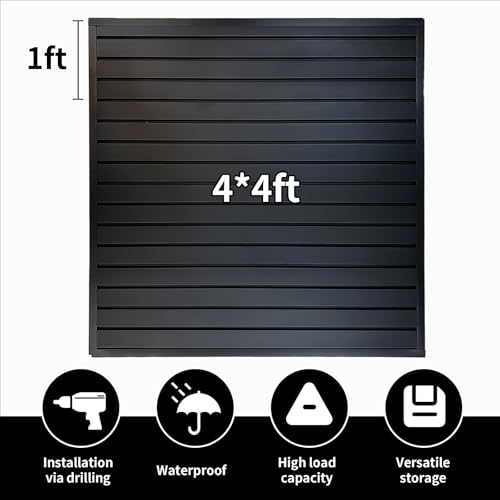
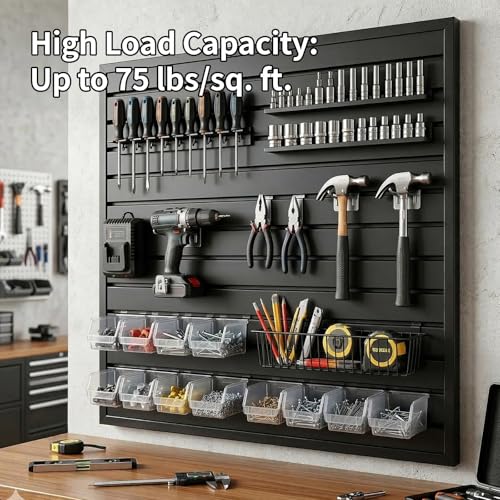
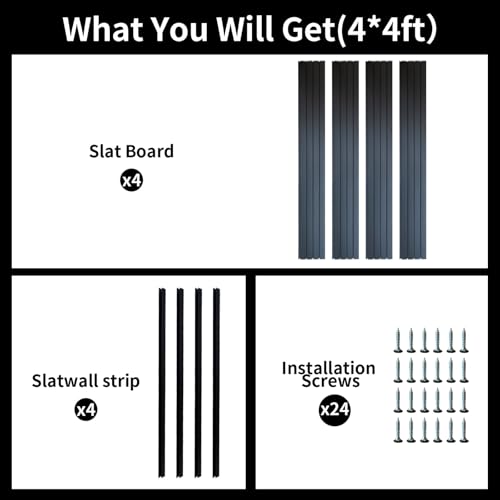
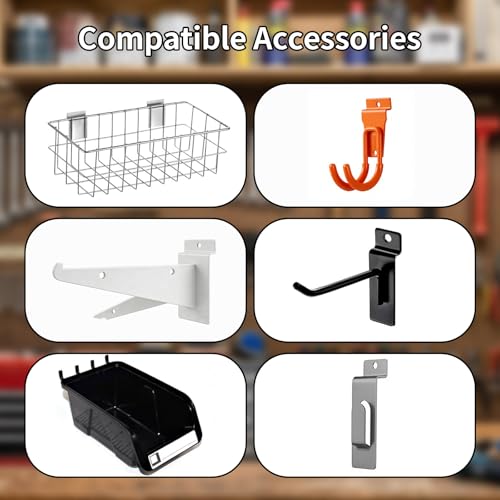
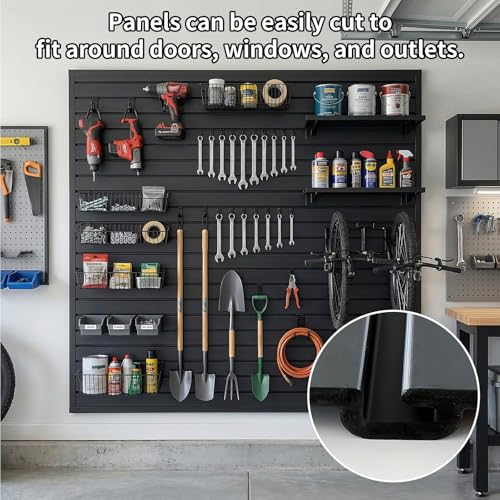
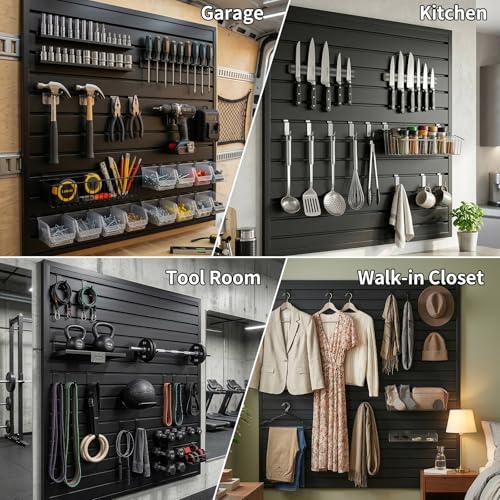
As an Amazon Associate we earn from qualifying purchases. Product prices and availability are accurate as of the date/time indicated.
When to Skip This and Call a Professional
This kind of DIY re-anchoring is not ideal for walls with significant damage, crumbling block, soft or water stained drywall, or any setup where heavy items are mounted overhead. If you see signs of moisture behind the panels, suspect hidden electrical wiring or plumbing, or you are not confident drilling into masonry and locating studs accurately, skip this and contact a qualified contractor or handyman. For anything involving outlets, lighting, or wiring behind the slatwall, a licensed electrician is the right choice rather than drilling blindly.
Frequently Asked Questions
Why does my slatwall keep pulling away from drywall even with anchors?
Drywall alone is not designed to carry a fully loaded storage wall for long. Try anchoring each panel directly into studs wherever possible and treat anchors as supplemental support only. Keeping the heaviest tools aligned with stud locations also reduces the constant outward pull on the drywall.
Can I reuse the same screw holes to remount slatwall?
Enlarged or stripped holes rarely hold as well the second time, especially in drywall. Try shifting the panel slightly to hit fresh wood in the stud, or repair the wall area and use a larger, wall appropriate anchor. Always verify the new fastener feels snug before reloading weight.
Do I need to screw into every stud behind the slatwall?
You do not need every single stud, but more solid connections mean less flex and less chance of pullout. Try to secure each panel into at least two studs and add extra fasteners near zones where you plan to hang heavier items. Make sure all screws are firm but not overtightened so the panel stays flat against the wall.
Browse more picks in our Slatwall System category, or see our related guide on NewAge Slatwall Alternatives.

Write Your Review
No reviews yet. Be the first to share your experience!