

Quick Answer
If your wall-mounted shelving rack won’t stay mounted, the anchors are almost always the problem, not the rack itself. Drywall alone cannot hold a loaded rack, so screws pull out and the whole unit sags or tilts forward. Check that you are anchored into wood studs or using the correct anchors for your wall type, then reduce the load until the mounting is secure.
Why This Happens
Most racks fail because they were installed with standard screws or small plastic anchors in drywall. Drywall is soft and crumbly, so it cannot resist the leverage from weight placed on the front edge of a shelf. Even if the rack feels solid at first, daily vibration and loading slowly enlarge the holes until the anchors spin or pull out.
Missing the studs is another very common cause. Studs are typically spaced 16 inches apart behind drywall, and if your bracket holes do not align with them, the screws are only gripping paper and gypsum. Adhesive-only mounts can also fail quickly on textured, dusty, or slightly damp garage walls, which is why many racks that rely on stickers sag within weeks. For a related leveling issue, see shelving unit Won’t stay Level? 5 fixes before you give up.
Overloading and poor weight distribution make the problem worse. Placing heavy bins, paint cans, or tools on one side or on the outer edge creates outward pull on the top anchors. In garages, humidity, temperature swings, and soft or aging drywall or particle board can further weaken the holding power, especially if the wall was patched before.
Hardware mismatch is the final piece. Using the light screws that come with a small indoor rack for a garage wall, or drilling into concrete, brick, or block without proper expansion anchors, leads to wobble and eventual failure. If your wall is masonry, you will need a different approach than drywall, as covered in how to organize boltless shelving on concrete walls.
Fixes to Try
- Empty the rack completely and inspect every mounting point. Try gently wiggling each bracket, look for enlarged holes, cracked drywall, or anchors that spin freely, and do not reload until the wall is repaired.
- Locate the studs with a stud finder and mark their centers. Try to reposition the rack so at least the top rail or the majority of brackets hit solid wood, since top anchors carry most of the pull-out load.
- Replace the anchors with the correct type for your wall. For drywall without a stud, try toggle bolts or heavy-duty hollow-wall anchors, and for concrete, brick, or block, try sleeve or wedge expansion anchors made for masonry. Avoid reusing old holes that are already blown out.
- Repair damaged drywall before remounting. Fill small holes with patching compound and let it cure fully, or bridge a damaged area with a horizontal ledger board screwed into two studs and then mount the rack to that board for a much stronger hold.
- Re-mount level with pilot holes and reload gradually. Try pre-drilling to the anchor size, tightening until snug without crushing the drywall, checking with a level, and placing heavier items closest to the wall and over stud-anchored brackets.
When to Consider Replacing It
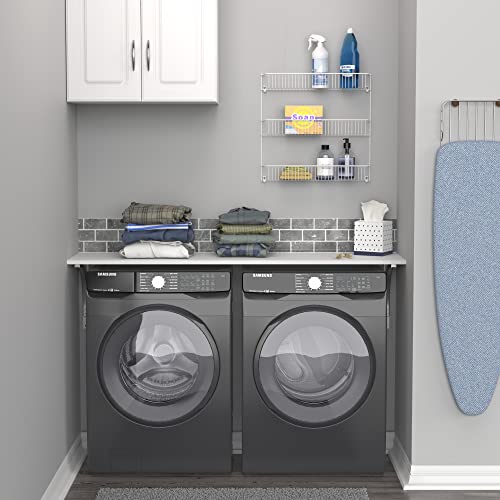
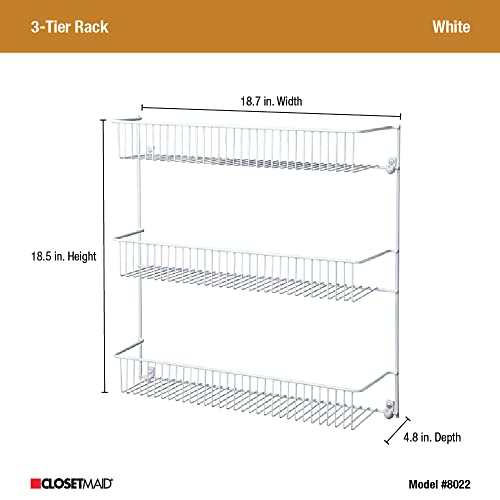
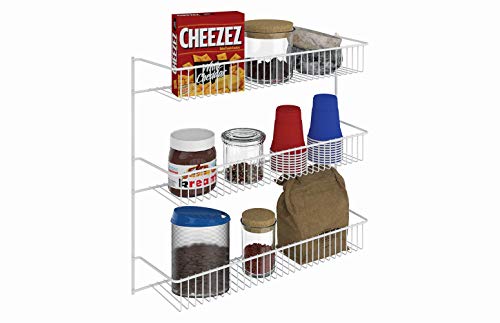
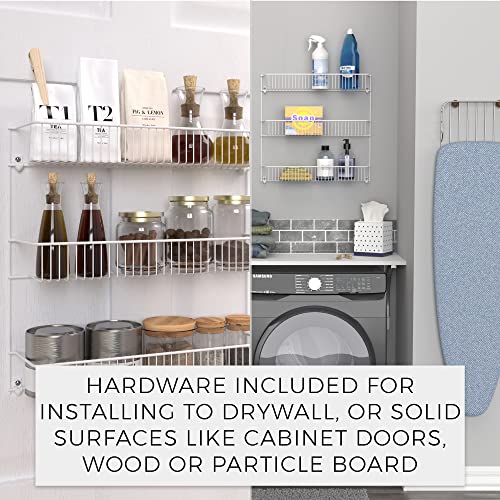
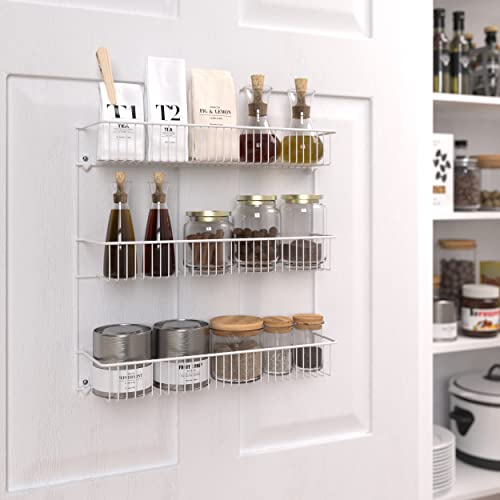
If the wall is badly chewed up, the rack frame is bent from falling, or you have tried proper stud anchoring and correct anchors and it still will not hold, repair may cost more effort than it is worth. Thin wire racks with small mounting plates can also flex under garage loads, so a sturdier design with wider brackets may be more forgiving. If you would rather replace it than keep patching holes, one practical option is the ClosetMaid 3-Tier Hanging Wall Mounted Metal Rack, which is designed for wall or cabinet door mounting with included hardware for drywall and solid surfaces.
This article contains affiliate links. If you buy through one of our links, TheGarageCrafted may earn a commission at no extra cost to you. Commissions never influence which products we recommend or how we rank them. Read our Affiliate Disclosure for details.

Prime ClosetMaid 8022 3-Tier Wall Mount Rack



As an Amazon Associate we earn from qualifying purchases. Product prices and availability are accurate as of the date/time indicated.
For small spaces where a wall rack keeps failing, you might also consider whether a different storage style would suit the wall better, such as the options in 3 alternatives to gladiator GearRack for small garages and simple wall storage.
When to Skip This and Call a Professional
This type of DIY re-anchoring is not ideal for racks that hold very heavy or overhead loads, or where the wall is cracked, crumbling block, or shows signs of water damage. If the rack is high up, holds heavy tools or bins above a workspace, or you are unsure about weight limits, skip this and follow the manufacturer’s weight capacity and anchoring instructions closely and anchor tall or heavily loaded shelving to the wall to prevent tip-over. For any wall that may have electrical wiring behind it, or for a rack that has already pulled a large section of wall down, not recommended for DIY alone and a qualified contractor or building professional is the safer choice.
Frequently Asked Questions
Why does my wall-mounted shelving rack keep falling out of drywall?
Drywall alone has very little pull-out strength, so screws and small plastic anchors work loose when weight pulls outward on the top of the rack. Try anchoring into studs or switching to toggle-style hollow-wall anchors, and keep the heaviest items close to the wall to reduce leverage.
Can I use adhesive strips instead of screws for a garage wall rack?
Adhesive strips are not a good fit for most garage walls, especially textured, dusty, or humid surfaces, and they are rarely rated for a loaded rack. Try mechanical anchors into studs or masonry anchors for concrete or brick, and reserve adhesives only for very light loads on smooth, clean surfaces as the manufacturer directs.
How do I know if I hit a stud?
A stud finder will beep or light up over solid wood, and a small pilot hole should show wood shavings and steady resistance instead of empty space. If the drill pushes through easily and you see only white dust, you are in drywall alone and should try a hollow-wall anchor or move the bracket to the stud location.
Browse more picks in our Heavy Duty Shelving & Racking category, or see our related guide on Boltless Shelving vs Storage Rack Compared.


Write Your Review
No reviews yet. Be the first to share your experience!