

Quick Answer
If your wire shelving unit is rusting, the fastest wire shelving unit rusting solution is to remove loose rust, neutralize what remains, and seal the metal before moisture returns. Light surface rust on chrome wire can often be cleaned and treated without replacing the whole rack, but deep pitting or flaking that weakens the welds means the structure is compromised. Start by unloading the shelf, cleaning and drying it thoroughly, then address the rust spots directly and add a moisture barrier to slow future corrosion. Acting early gives you the best chance to save the finish and avoid spreading rust to other shelves and posts.
Why This Happens
Most wire shelving sold for garages and pantries is steel with a thin chrome or powder coating, not solid stainless steel. That coating looks shiny and resists moisture at first, but any chip, scratch, or thin spot exposes bare steel underneath. Once air and humidity reach that exposed steel, oxidation starts and spreads under the surrounding coating, which is why you often see bubbling or peeling around the rust spot. Garage-grade chrome shelving is built for light to medium storage, and the finish can be thin at bends and welds where rust often starts first.
Garages are especially hard on this type of shelving because of humidity swings, condensation, and road salt residue. Concrete floors wick moisture, and temperature changes can cause water to collect on cool metal overnight. If you store wet tools, plant pots, or chemicals that off-gas, that extra moisture sits on the wires and in the joints where shelves meet posts. Storing the unit directly against an exterior wall or near a washer and dryer can also trap humid air around the back posts.
Physical wear speeds the process. Sliding heavy plastic bins, dragging wire shelf liners, or adjusting the plastic split sleeves can scratch the finish over time. Once the finish is broken, even light surface moisture can start a rust patch. Over time those patches grow, especially in corners and at weld points where the coating is thinnest and water tends to linger after cleaning. Even the plastic clips that hold shelves in place can wear the coating if shelves are adjusted frequently.
A common overlooked cause is standing water at the feet and lower shelf. Mopping, hosing the garage floor, or a small leak can leave the bottom inches of the posts in water for hours. If the leveling feet are not adjusted or the unit sits unevenly, water pools around one leg and rust starts from the bottom up. Checking the feet and floor area regularly can catch early moisture before it climbs the posts. For related stability issues, see this guide on shelving unit Won’t stay Level? 5 fixes before you give up.
Fixes to Try
- Clear the shelves completely and move the unit to a dry, ventilated area if you can. Wash the rusted areas with warm soapy water to remove dirt and grease, rinse well, and dry thoroughly with towels plus extended air drying. Moisture left under any treatment will trap rust, so give the metal extra time to dry before the next step.
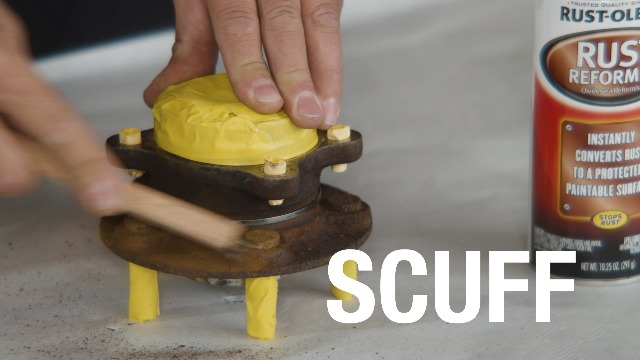
- Gently remove loose, flaking rust with a non-woven pad, fine steel wool, or a stiff nylon brush. Focus on lifting only what is already loose rather than grinding down to shiny metal, and wipe away dust with a damp cloth followed by a dry cloth. Wear gloves, eye protection, and a dust mask, and work in a ventilated space away from open flame.
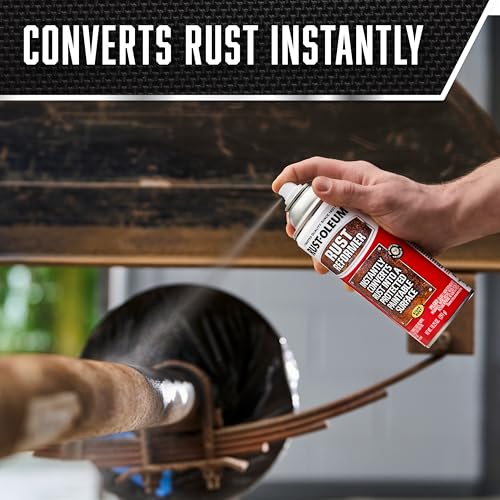
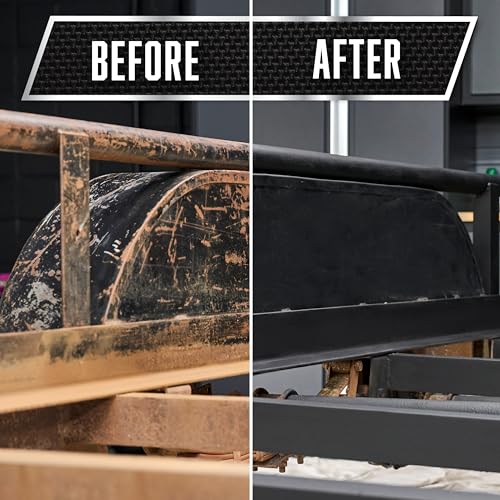
- Apply a rust converter or reformer to the remaining rust according to the label directions. These products chemically convert rust into a stable, paintable surface and can help prevent it from spreading when you cannot sand to bare metal. Allow the coating to cure fully as directed before handling, stacking, or topcoating.
- Once the converter has cured, seal the area with a rust-inhibiting spray paint or clear protective topcoat made for metal. Light, even coats usually adhere better than one heavy coat, and covering the entire wire section helps blend the repair and protect nearby chips. For ideas on protecting surrounding storage after the repair, you may find how to organize boltless shelving on concrete walls useful for keeping bins off damp floors.
- Address the moisture source to slow future rust. Use shelf liners to reduce scratching, keep the bottom shelf a few inches off a damp floor, run a dehumidifier or improve ventilation in humid months, and wipe up spills quickly. A light corrosion inhibitor on joints and feet can add a temporary barrier in humid or coastal environments, but it is not a substitute for keeping the unit dry and clean.
When to Consider Replacing It
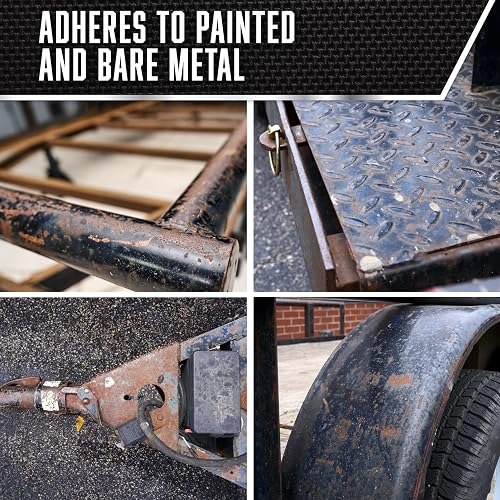
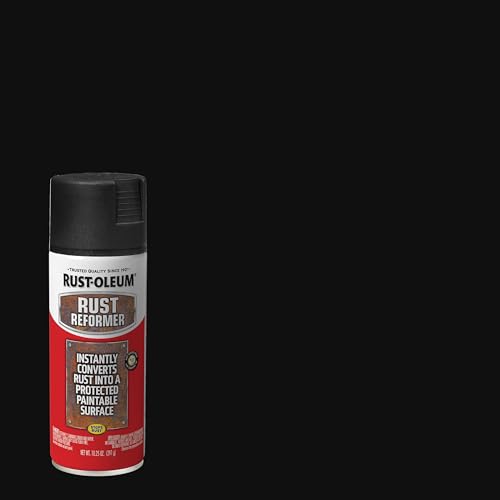
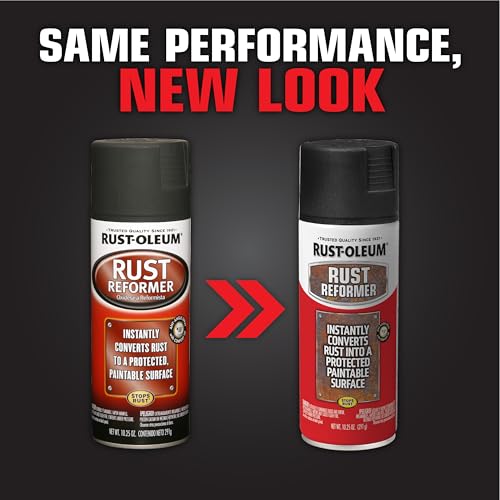
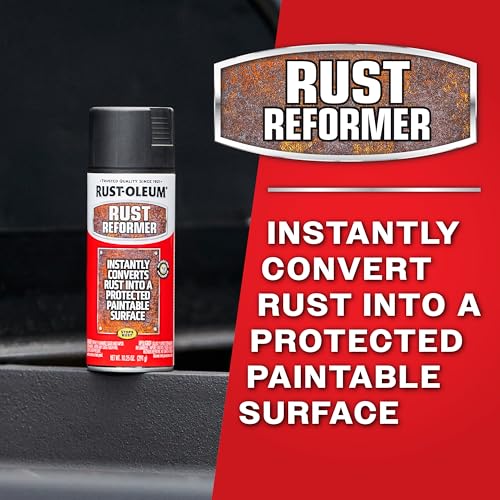
Repair makes sense for light surface rust and a few chipped spots, but replacement is often more practical when rust is deep, widespread, or structural. If wires are pitted thin, welds are flaking apart, shelves sag or wobble after cleaning, or rust returns quickly even after treatment, the coating system has likely failed. If you would rather replace it than keep troubleshooting, a rust reformer can still help you stabilize a lightly rusted rack before you recoat it, and one option many people consider is the Rust-Oleum Stops Rust Reformer Black Spray Paint for treating remaining spots before sealing.
This article contains affiliate links. If you buy through one of our links, TheGarageCrafted may earn a commission at no extra cost to you. Commissions never influence which products we recommend or how we rank them. Read our Affiliate Disclosure for details.

Prime Rust-Oleum Stops Rust Reformer Spray




As an Amazon Associate we earn from qualifying purchases. Product prices and availability are accurate as of the date/time indicated.
When to Skip This and Call a Professional
This type of DIY cleaning and spot treatment is not ideal for heavily loaded, tall shelving that shows structural rust or for any unit that feels unstable. If posts are deeply pitted, welds are cracked, the unit leans even when empty, or it holds heavy bins above head height, skip this and follow the manufacturer’s weight capacity and wall-anchoring instructions to prevent tip-over. For tall or heavily loaded racks, anchoring the shelving to the wall and distributing weight evenly is essential, and any sign of structural failure is a good time to replace the unit rather than continue patching it.
Frequently Asked Questions
Can you remove rust from chrome wire shelving without damaging the finish?
You can often reduce light surface rust without stripping the whole finish by focusing only on loose flakes. Use a gentle abrasive pad and light pressure, then treat the spot with a converter and seal it, rather than aggressive grinding. If the chrome is already peeling widely, spot repair may slow the spread but will not restore the original smooth coating.
Why does my wire shelving keep rusting in the garage even after I clean it?
Recurring rust usually points to ongoing moisture rather than a cleaning failure. Garages often have high humidity, condensation on metal, or water that sits at the feet after rain or floor washing. Improving airflow, keeping shelves off damp concrete, and sealing treated spots can help, but bare steel will keep oxidizing as long as it stays damp.
Should I paint over rust on wire shelving or sand it all off first?
You do not need to sand to bare, shiny metal if you use a rust converter designed to bond with rusted surfaces. Removing only loose and flaky material, then converting and topcoating, is often more practical for wire joints and welds. For comparison on more durable coated systems, see HOMEDANT black 47.7″ deep 5 tier storage shelves vs heavy duty garage shelving 36″ W x 16″ D x 72″ H.
Browse more picks in our Heavy Duty Shelving & Racking category, or see our related guide on Boltless Shelving vs Storage Rack Compared.
Write Your Review
No reviews yet. Be the first to share your experience!