

Quick Answer
If your power tool wall mount not holding drill securely, the drill is usually not seated deep enough in the slot or the slot is too wide for your drill body. Try removing the battery to reduce weight, reseating the drill so the heaviest part rests fully on the base, and checking that the mount itself is tight to the wall. Most slips come from fit and anchoring, not a broken rack.
Why This Happens
Most wall mounts use simple U-shaped slots that rely on the drill’s base or belt clip to catch. If your drill has a compact body, a bulky battery, or an angled handle, it may sit too shallow and tip forward. A small mismatch in slot width is enough to make the drill wobble or slide out when you bump the wall.
Wall anchoring is another common cause. A mount that feels solid at first can loosen if it is only in drywall without a stud or proper anchor. Even a slight lean forward changes the angle of the slot, so gravity pulls the drill out instead of holding it in. This is especially common on concrete or masonry walls where standard screws do not grip well, as explained in this guide to the best power tool organizer for concrete wall.
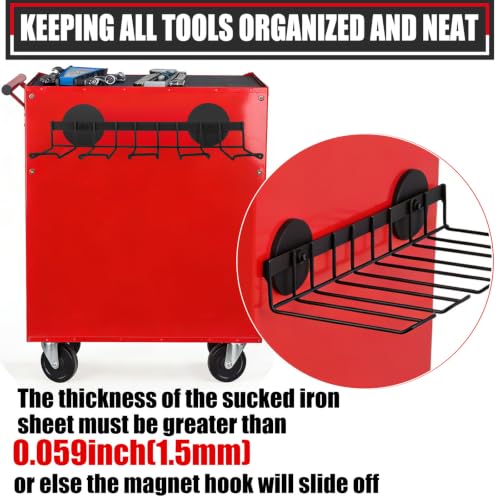
Weight balance and wear also matter. A drill with a large battery pack is top heavy, and if the mount’s coating is worn smooth or dusty, there is less friction to keep it in place. Magnetic mounts can also slip if they are placed on a painted or non-metal surface that looks like metal but does not provide a full magnetic connection, or if dust and oil reduce the grip.
Fixes to Try
- Reseat the drill correctly. Push the drill fully into the slot until the flat base or battery housing rests squarely on the holder, not just the handle. Try rotating the drill 180 degrees so the weight centers over the mount.
- Lighten the load and check balance. Remove the battery before hanging if your drill tips forward. If it holds without the battery but not with it, the mount may be at its practical limit for that tool and a deeper slot may be needed.
- Tighten and re-anchor the mount. Check all screws for looseness and confirm they hit a stud or use the correct wall anchors for your wall type. If the mount flexes when you press on it, it will not hold a drill securely no matter how you position the tool.
- Clean and add grip. Wipe the slots and drill housing with a dry cloth to remove dust and oil, then consider adding a thin strip of rubber shelf liner or tool grip tape inside the slot for friction. Avoid thick padding that makes the slot too tight to insert the drill.
- Adjust spacing and placement. If your rack allows it, move the dividers or use a different slot that matches your drill width more closely. Mounting the rack slightly lower can also help you seat the drill straight in without angling it, which is helpful in tight spaces like those covered in low ceiling drill holder wall mounts.
When to Consider Replacing It
If the slots are bent outward, the welds are cracked, the screw holes are stripped, or the coating is peeling and leaving a slick metal surface, troubleshooting may not give you a secure hold. A mount that has been overloaded or pulled from the wall once often stays slightly warped, so the drill never sits level again. If you would rather replace it than keep adjusting, a thicker steel design with a more enclosed slot profile can provide a more stable perch for heavier drills.
This article contains affiliate links. If you buy through one of our links, TheGarageCrafted may earn a commission at no extra cost to you. Commissions never influence which products we recommend or how we rank them. Read our Affiliate Disclosure for details.

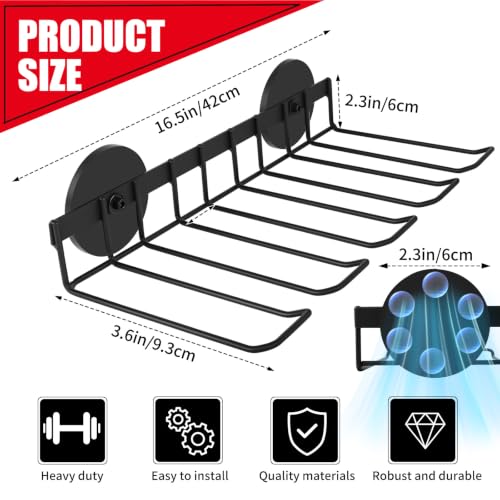
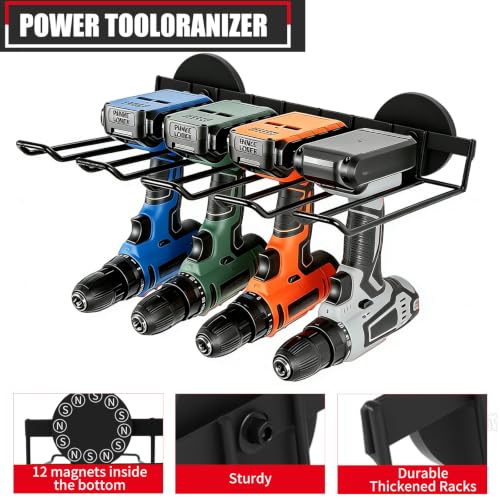
Prime joaoxoko Magnetic Drill Holder Wall Mount


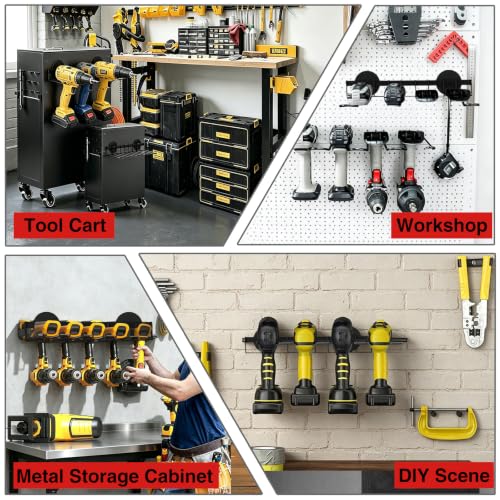
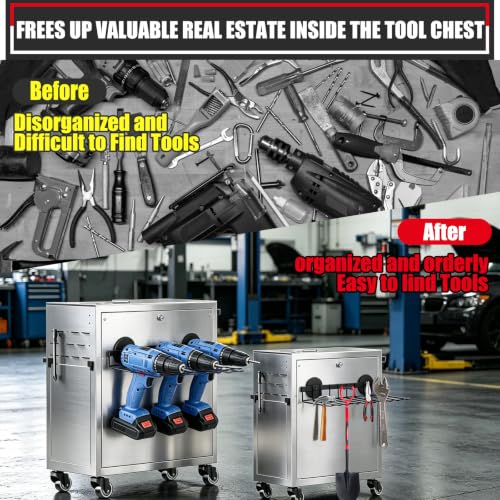
As an Amazon Associate we earn from qualifying purchases. Product prices and availability are accurate as of the date/time indicated.
For more ideas on sturdy wall storage, you can also browse the best tool wall mount for basement to compare slot depths and mounting styles before you decide.
When to Skip This and Call a Professional
This type of DIY fix is not ideal for mounts that have pulled out of crumbling drywall, cracked concrete, or any wall where you are unsure what is behind it. If the organizer is heavily loaded, mounted overhead, or near electrical wiring, skip this and follow the manufacturer’s weight capacity and wall anchoring instructions closely, and bring in a qualified professional for proper stud or masonry anchoring. Do not try to reinforce a failing overhead or electrical-adjacent mount with longer screws, adhesives, or improvised brackets.
Frequently Asked Questions
Why does my drill keep tipping forward and falling out of the wall mount?
This is usually a balance issue. The battery makes the drill top heavy, and a shallow or wide slot lets it pivot forward. Try removing the battery, seating the drill deeper so the base is fully supported, and confirming the mount is level and tight to the wall.
Can I make the slots tighter so my drill fits more securely?
You can often improve grip without bending metal. Clean the slots, add a thin rubber liner for friction, or use a slot that better matches your drill width. Avoid squeezing or hammering the slots closed, as that can weaken the coating and create sharp edges that scratch the tool.
Do I need to mount my power tool organizer into studs?
For the most secure hold, yes. Mounting into at least one stud or using anchors rated for your wall type helps prevent the whole rack from tilting. If the rack moves when you hang a drill, re-anchor it before trying other fixes, and always follow the included hardware guidance for your wall material.
Browse more picks in our Power Tool Wall Mount Organizers category, or see our related guide on Best Tool Wall Mount for Basement: 10 Organizers to Reclaim Space 2026.




Write Your Review
No reviews yet. Be the first to share your experience!